 The Biodiversity of Ontario |

|
The province of Ontario is a juristriction within Canada that is very ecologically and geographically diverse. In the northwest and central sections, the land is shaped by the Canadian Sheild,
a huge area rich in minerals, comprised of exposed igneous and metamorphic rock from the Precambrian period, with forests and rivers sprinkled in between.
The most northern extremity of the province, known as the Hudson's Bay Lowlands, is mainly comprised of swamps, whilst the south central, southwestern, and southeastern areas of the province is primarily forested lowland wetlands, as it is within the Carolinian Forest Zone, and is home to most of the province's cities and famous landmarks, both manmade and natural, including Niagra Falls, and the Great Lakes. The temperate climate of Ontario, as with the majority of Canadian provinces, varies greatly throughout the year. It is influenced both by cold and dry air from the north, and warmer humid air from the south, with local climate being greatly affected by proximity to bodies of water. The summers of Ontario are not consistent, but generally the southernmost portions of the province experience humid, hot summers, whilst it is typically cooler farther north. Winters are consistently harsh, cold and dry, however spring and autumn are generally cool and rainy times of year. |

Due to the constantly changing conditions of the province, the variety of life also heavily varies throughout the year. The summer most exclusivley has the most taxonomic diversity, as species from all clades can be found; however,
as the temperature drops, the snow begins to fall, and the rivers freeze, many flora and fauna either migrate to warmer climates or simply die off, with their unborn young hibernating until spring. Many mammals can survive such
harsh cold temperatures, but many choose to hibernate, such as many of the Ursidae (bears), Rodenta (rodents), and Lagomorpha (lagomorphs). Some birds, such as the nortorious Canada goose, Branta canadensis, emigrate during
autumn to only return during the spring (a behaviour also rarely shared with few insects), although many, such as the Corvidae (corvids), can easily bare the harsh icy winds.
| Most perenial plants do die off in the winter to bloom again in the spring, including deciduous trees, however coniferous trees are alive and well even during the harshest of winters, and serve as a home to many animals during such weather. Few fruiting plants still provide food during the waining ending months of autumn and winter, such as those in the Cyanococcus section of the Vaccinium genera. Vaccinium myrtilloides, the Canadian blueberry is a prime species which exhibits this durability. Amphibious species survive the harsh winters buried under the mud of frozen-over lakes and rivers, while the majority of endemic fish species continue to live their lives consciously within the flowing water underneath the ice. The majority of adult insects and arachnids which are still alive in the autumn lay their eggs in seculded areas of which to overwinter in, as most adults can not survive the lower temperatures (and the dwindling food sources), and die off. The eggs laid in the autumn will hatch in the late spring to early summer. There are some species of insects, arachnids, and even chilopods that can be found in households year round, but especially in the winter time. |
| Species catagories (click to view) |
|
|
|
|
|
|
|
|
|
|
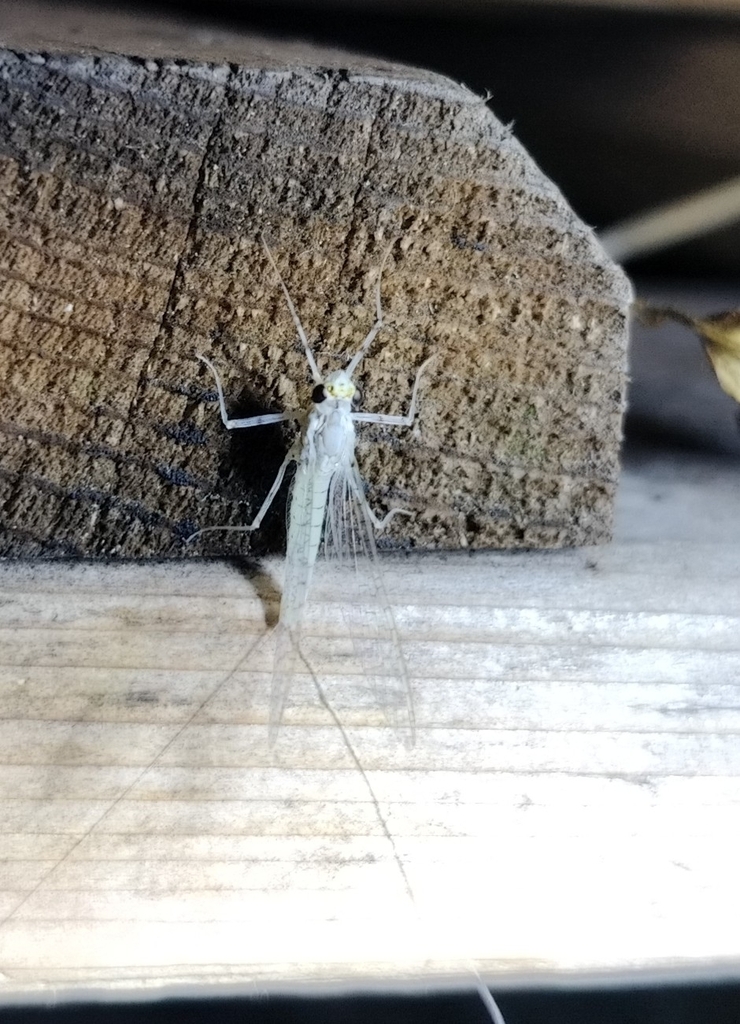
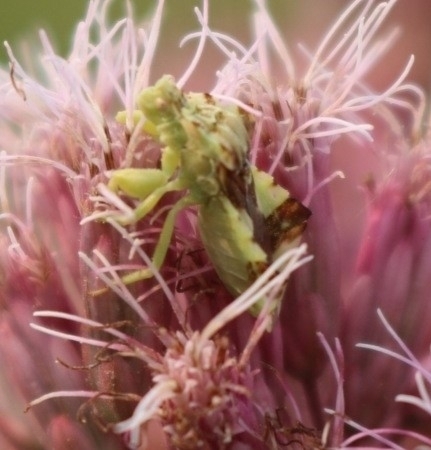
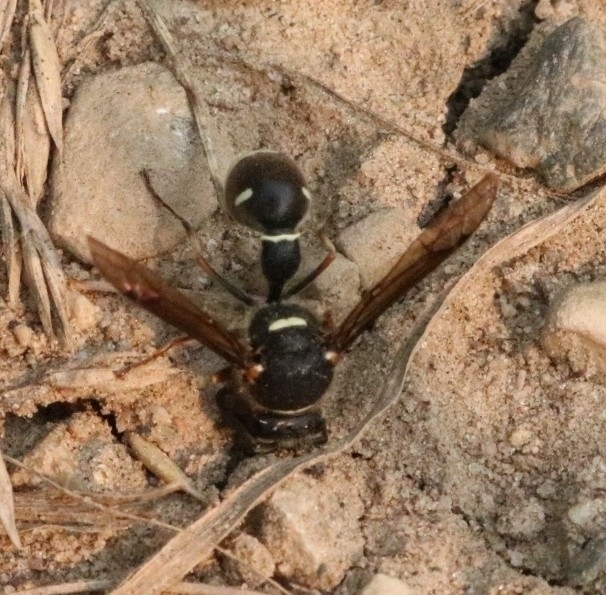
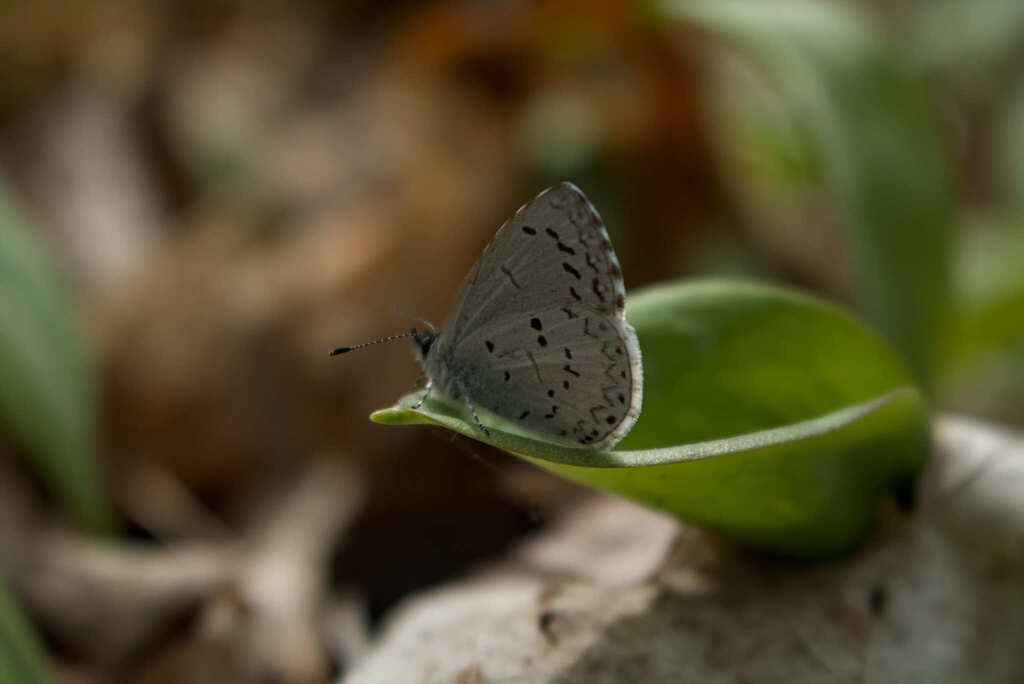
BLATTODEA Cockroaches and termites | COLEOPTERA Beetles | DERMAPTERA Earwigs | DIPTERA True flies | EPHEMEROPTERA Mayflies | HEMIPTERA True bugs | HYMENOPTERA Ants, bees, wasps, and sawfiles | LEPIDOPTERA Butterflies and moths | ODONATA Dragonflies and damselflies | ORTHOPTERA Grasshoppers, crickets, and katydids | TRICHOPTERA Caddisflies | ZYGENTOMA Silverfish |
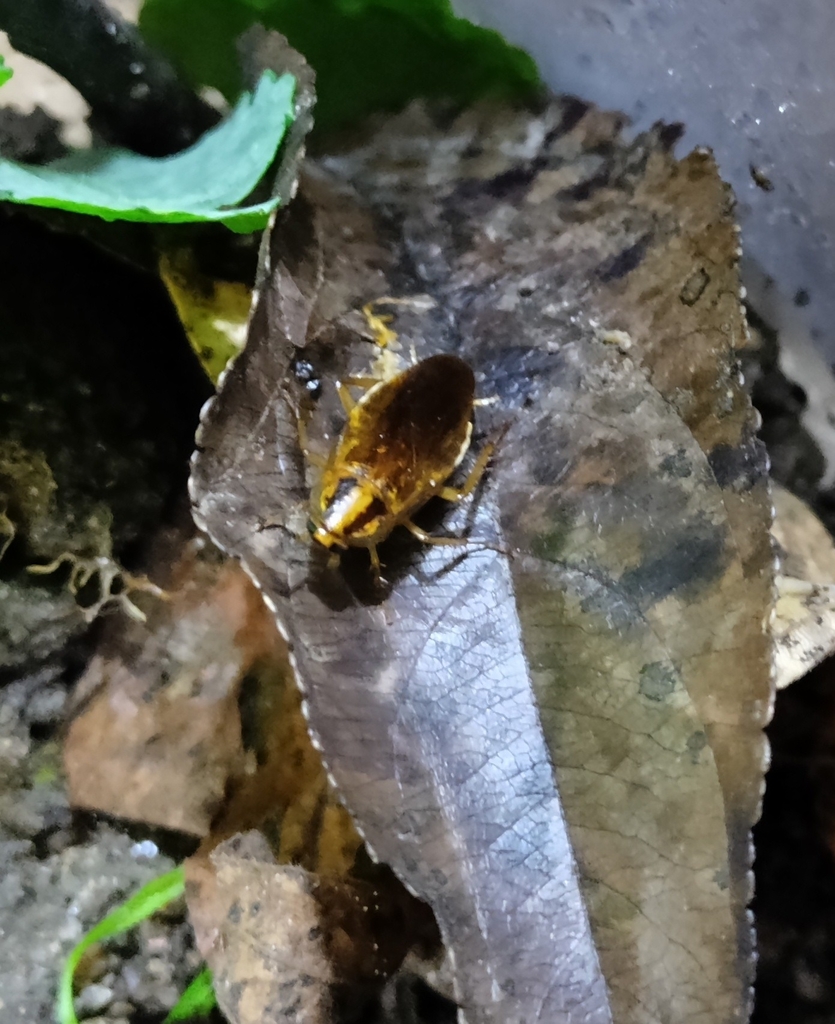
Blattella germanica |
Coleomegilla maculata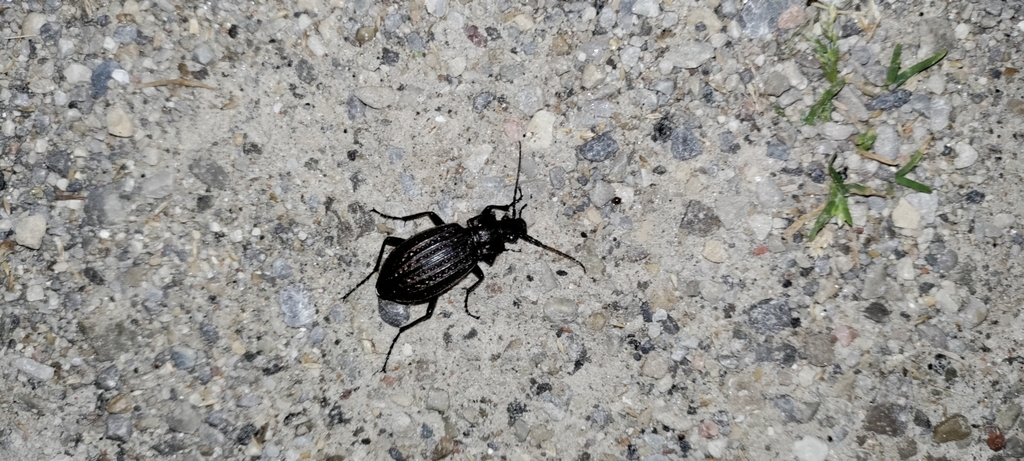 Carabus granulatus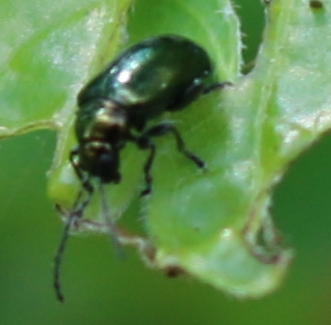 Plagiodera versicolora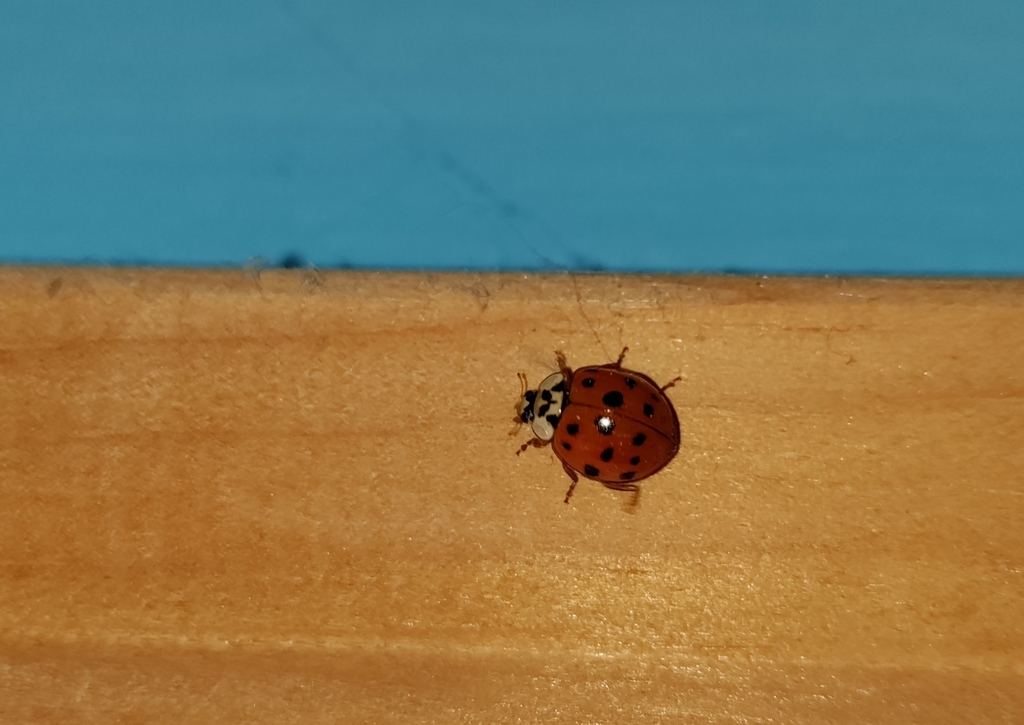 Harmonia axyridis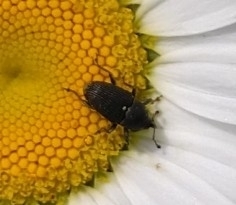 Odontocorynus salebrosus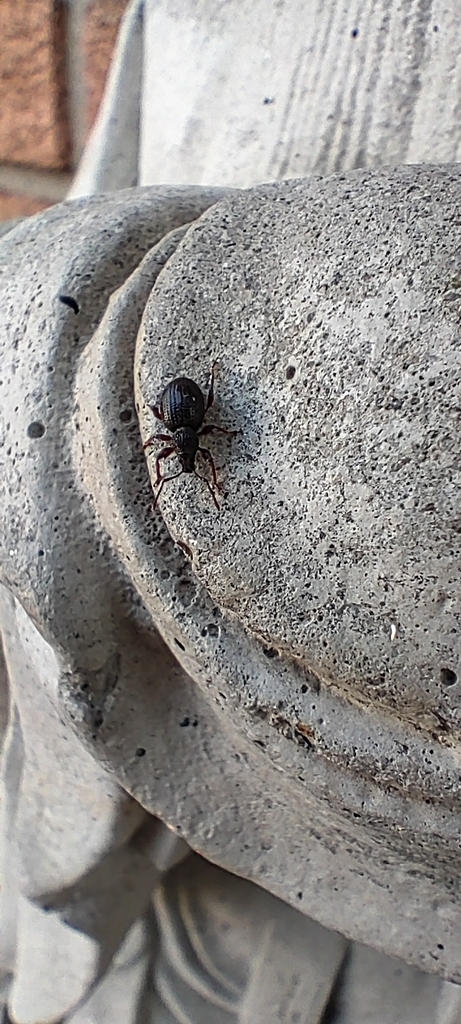 Otiorhynchus ovatus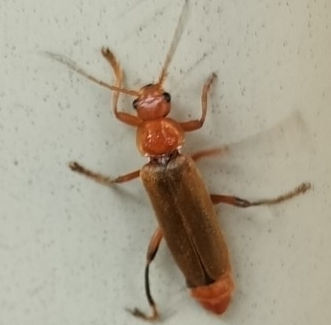 Cantharis livida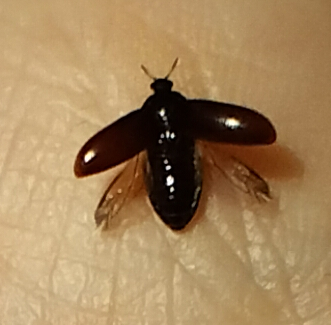 Alphitobius spp.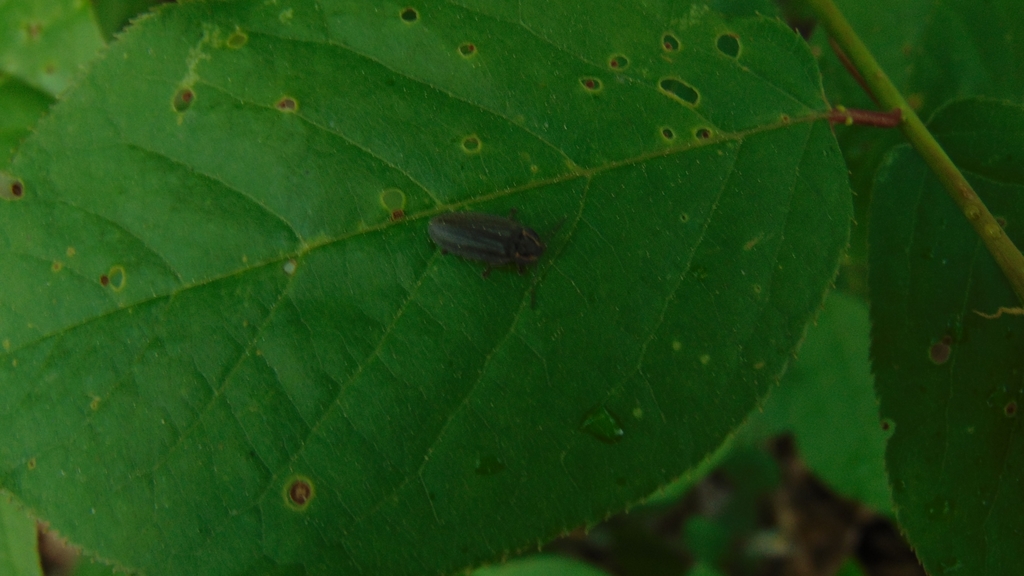 Photinus corruscus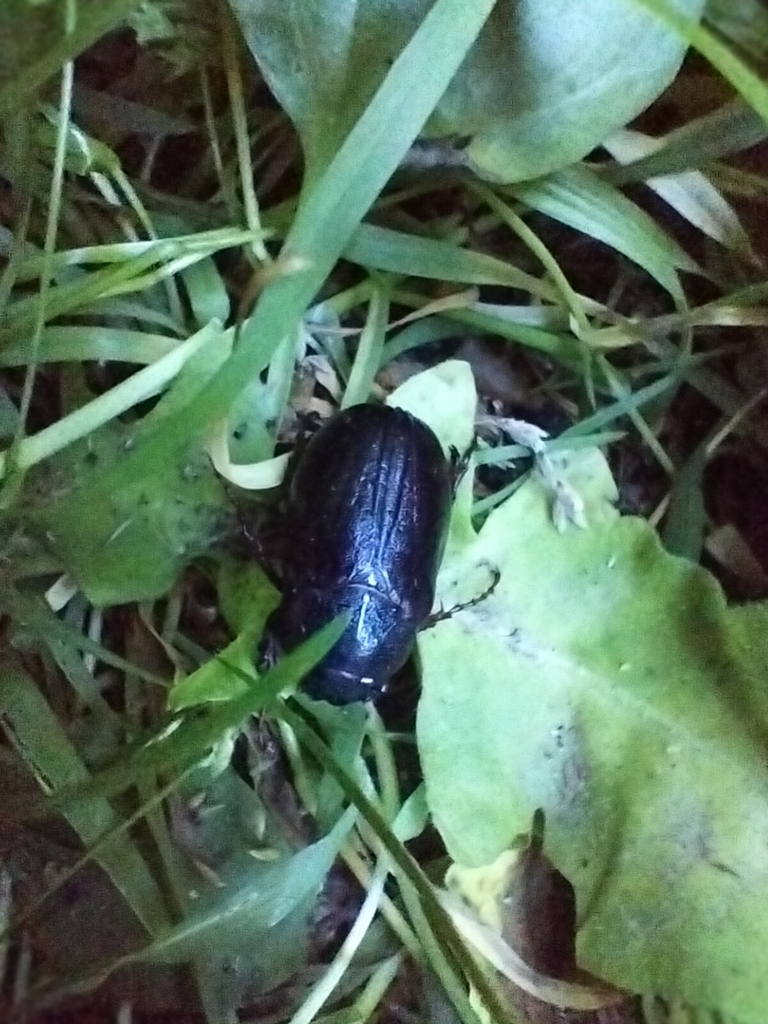 Phyllophaga spp.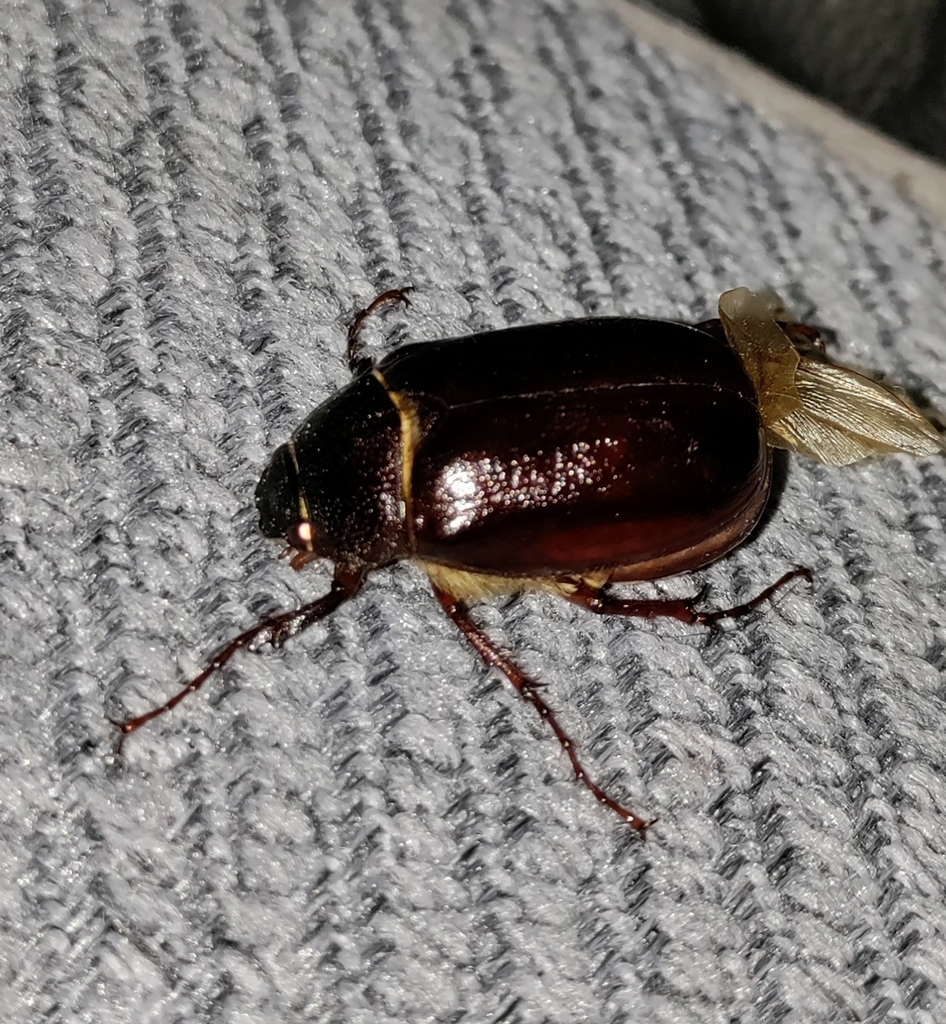 Melolonthinae spp. |
Forficula auricularia |
Scathophaga furcata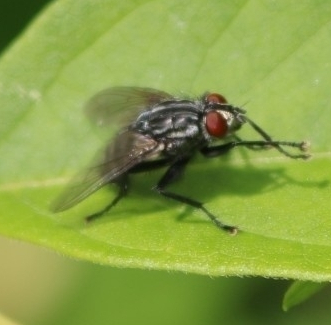 Sarcophaga spp.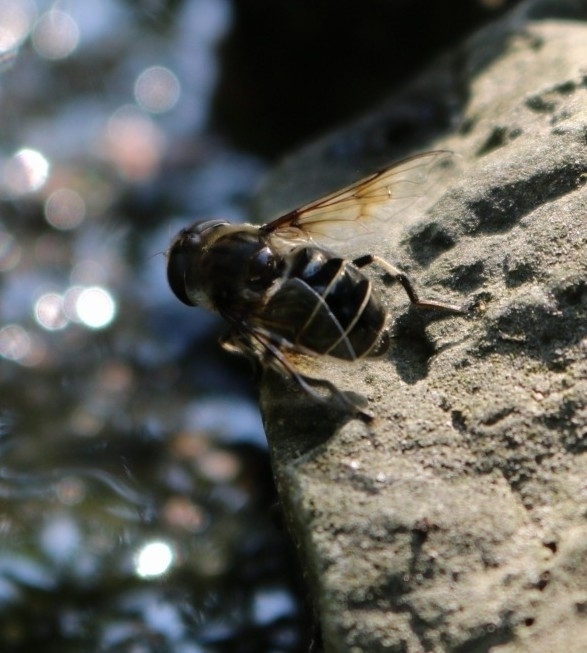 Eristalis dimidiata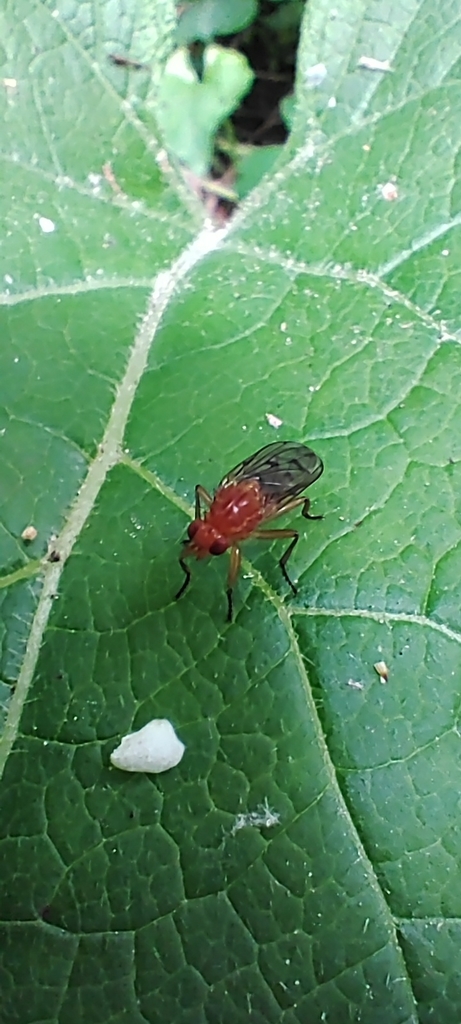 Dryomyza spp. Sepsis spp.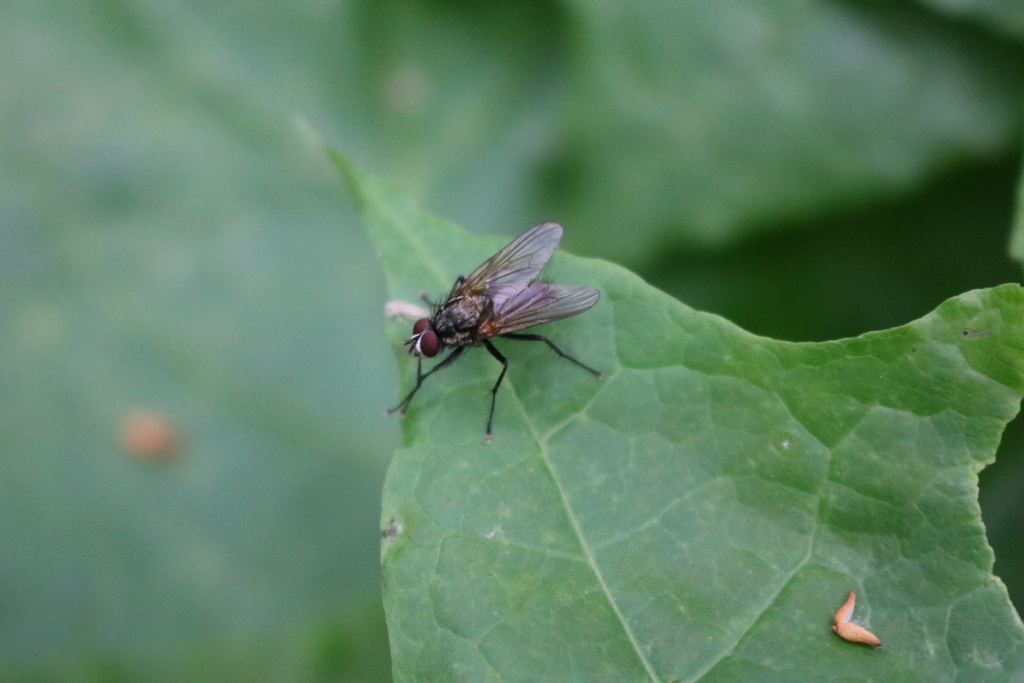 Anthomyiidae spp.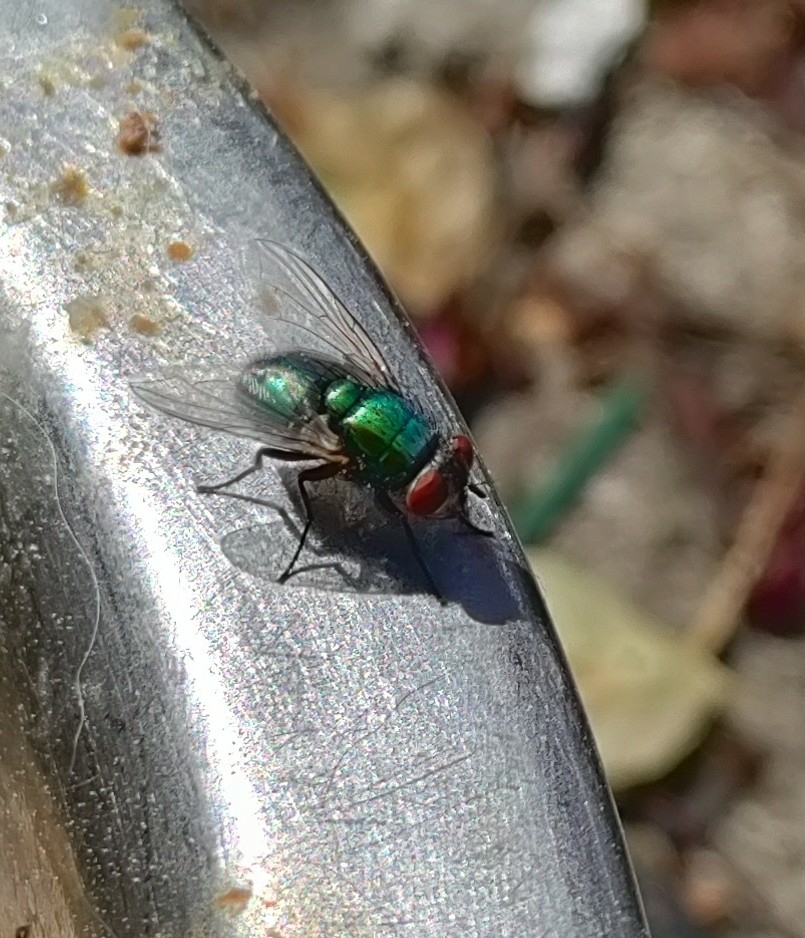 Lucilia sericata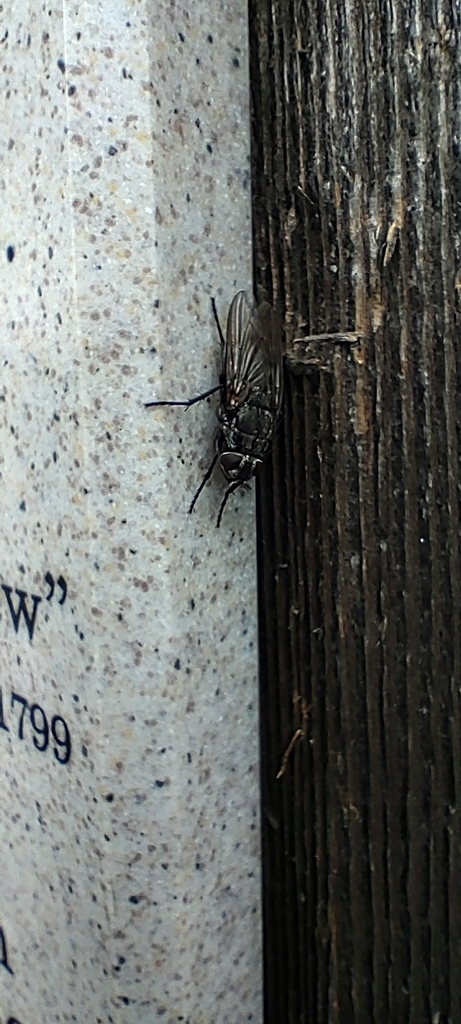 Pollenia vagabunda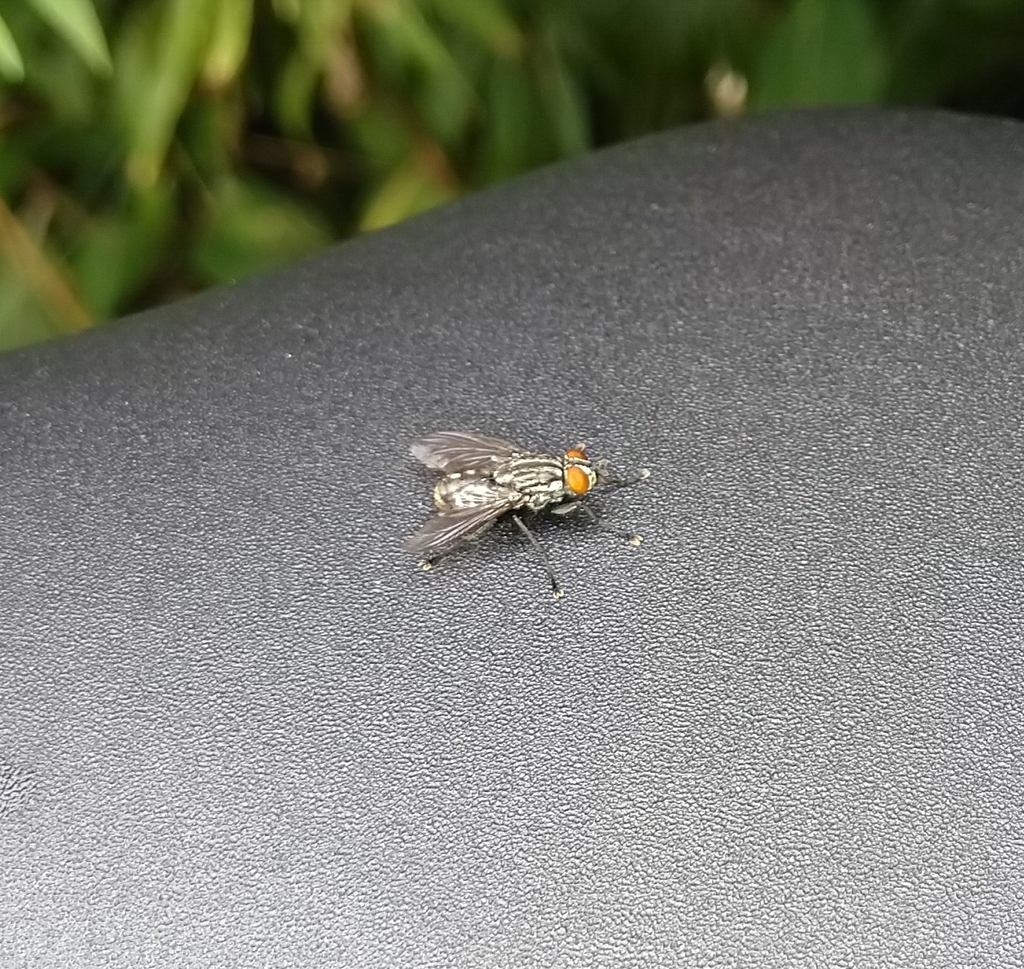 Sarcophagidae spp.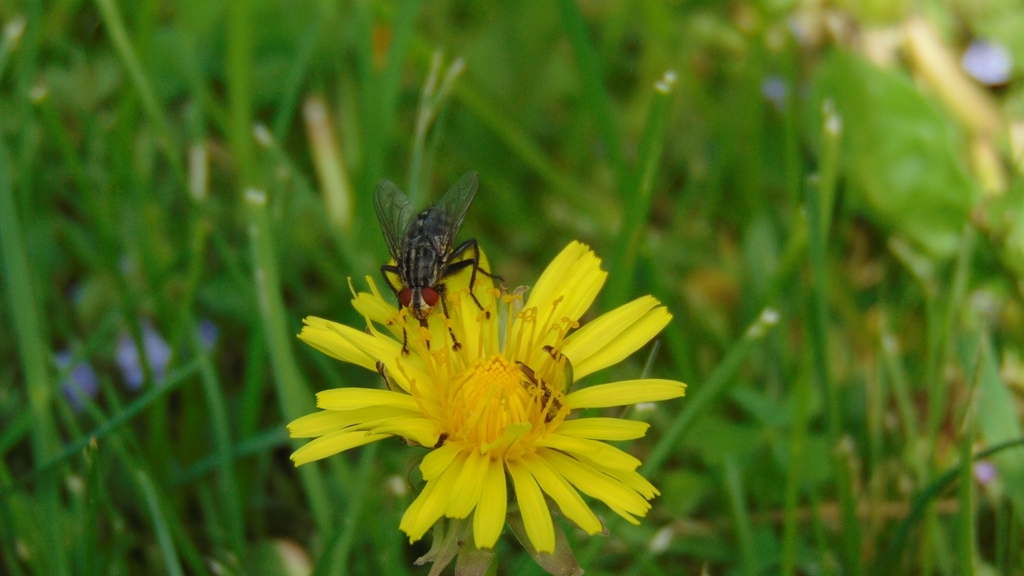 Sarcophaginae spp.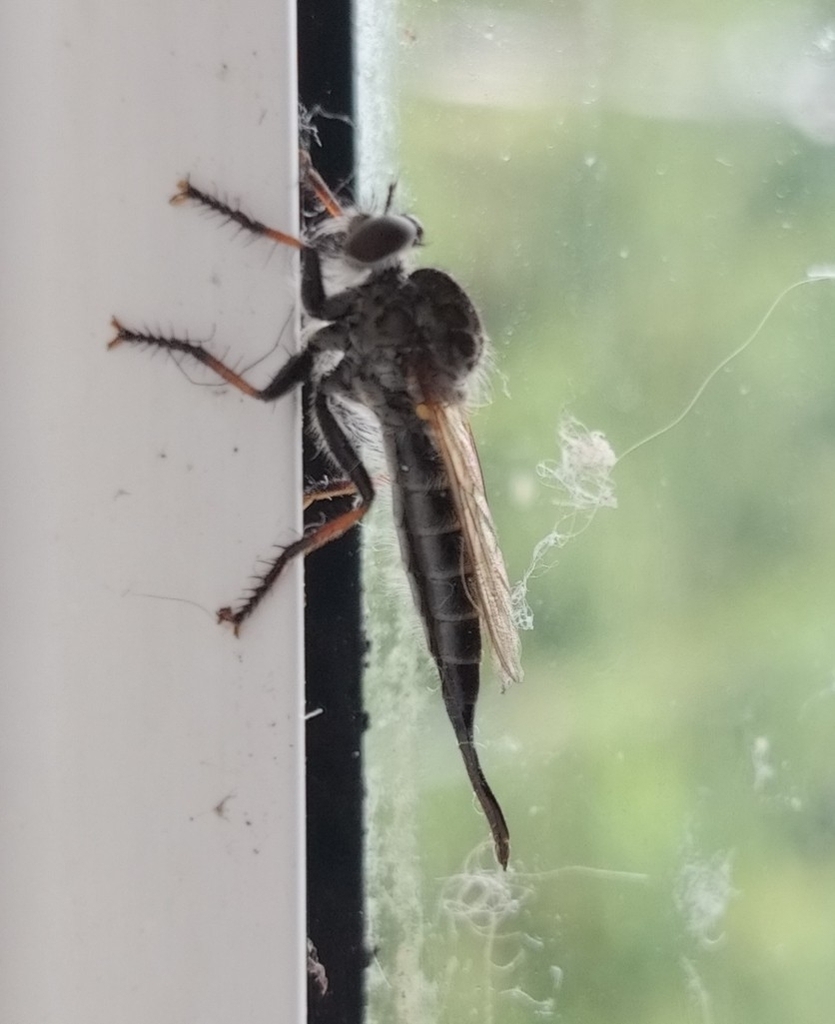 Efferia aestuans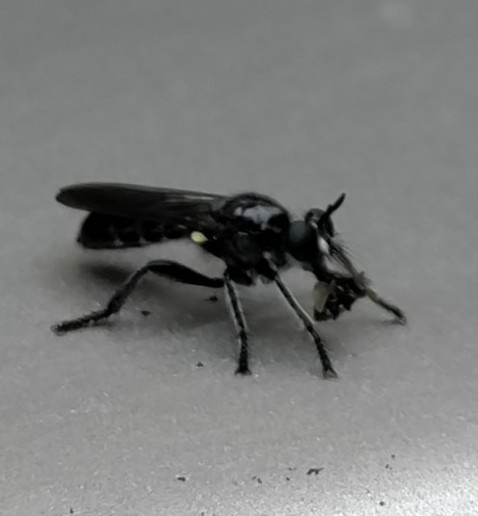 Complex Laphria canis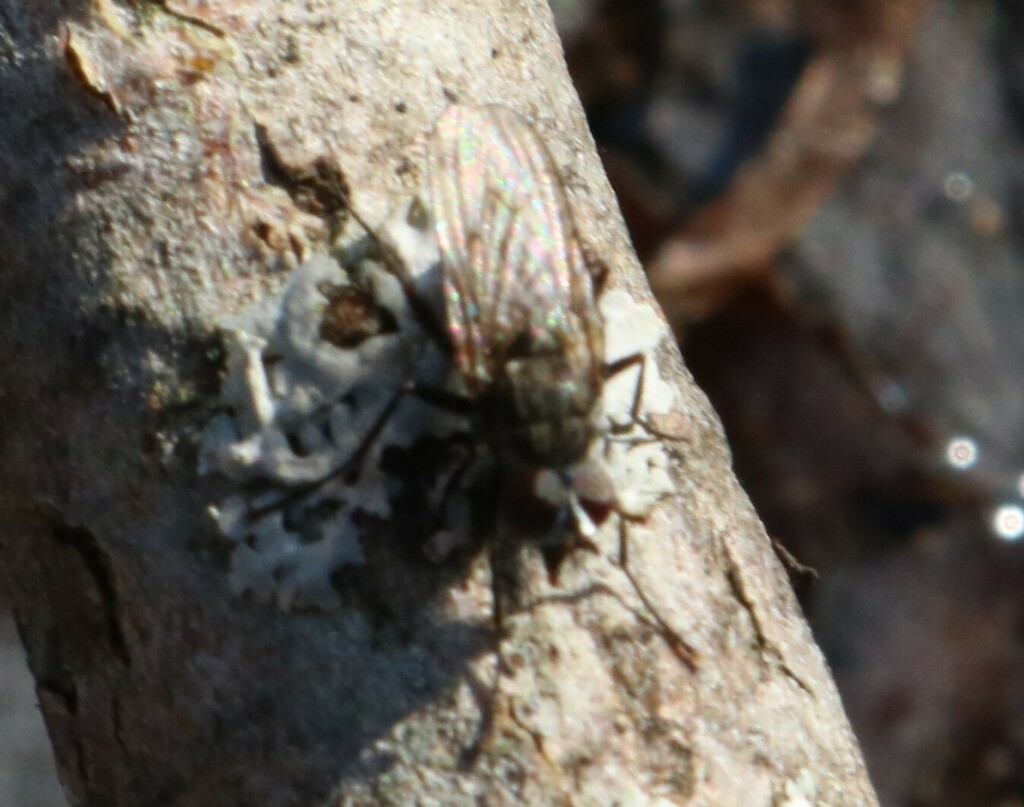 Muscoidea spp.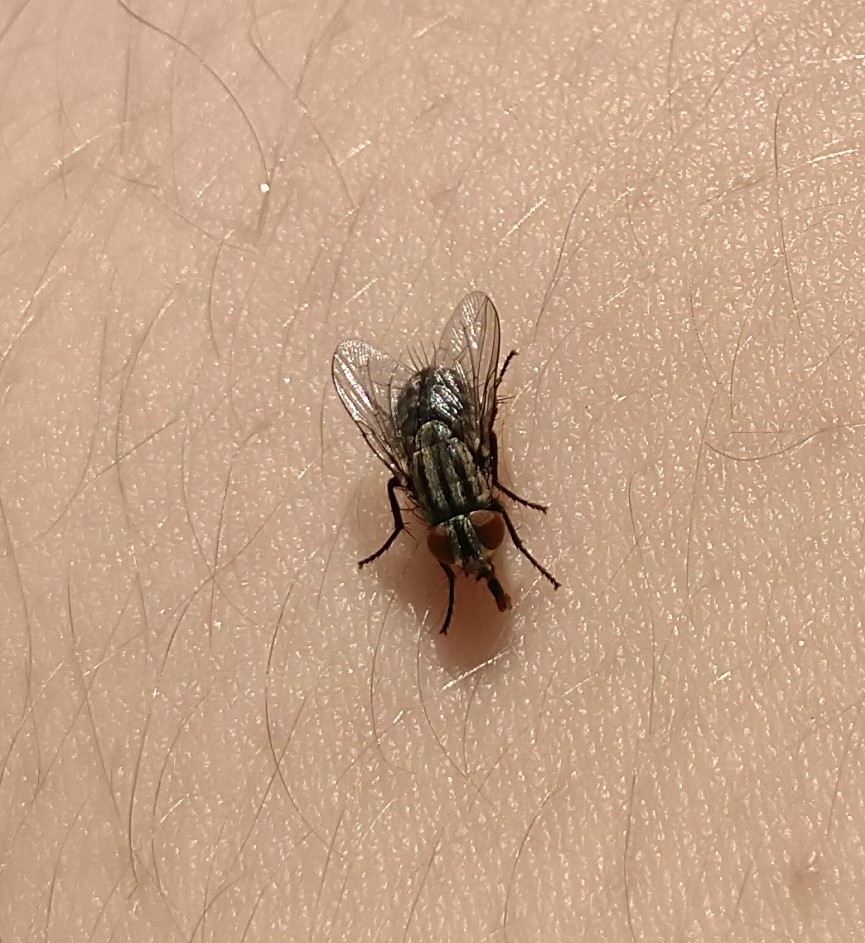 Oestroidea spp. Muscidae spp. | Maccaffertium spp.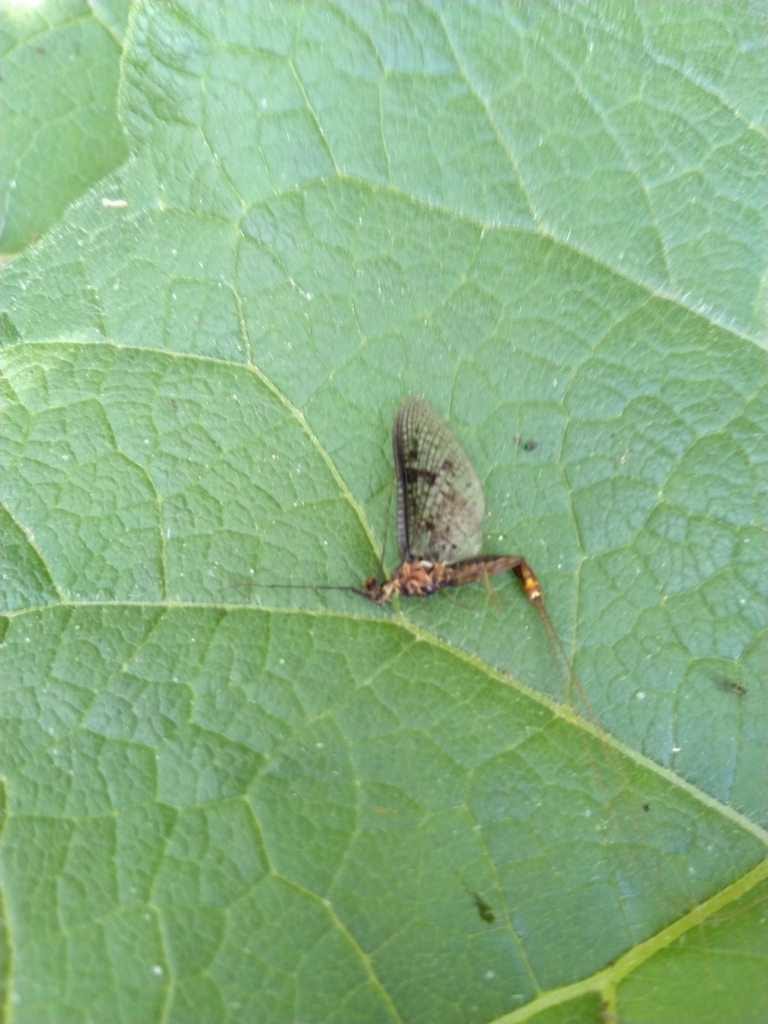 Ephemera vulgata |
Phymata americana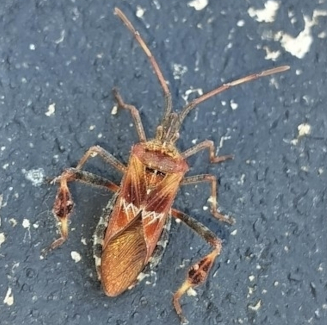 Leptoglossus occidentalis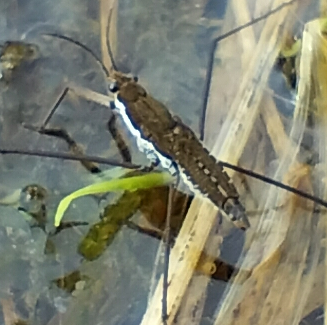 Aquarius remigis Jikradia olitoria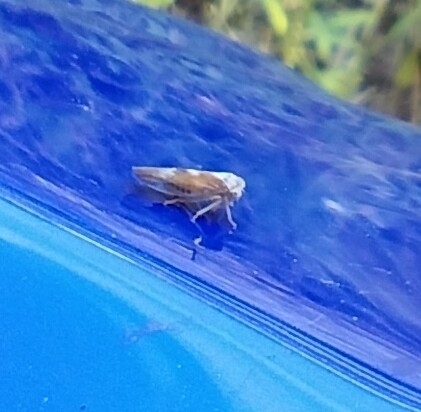 Populicerus spp.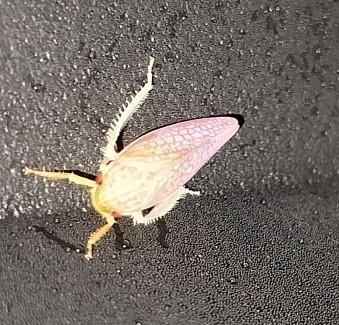 Gyopnana octolineata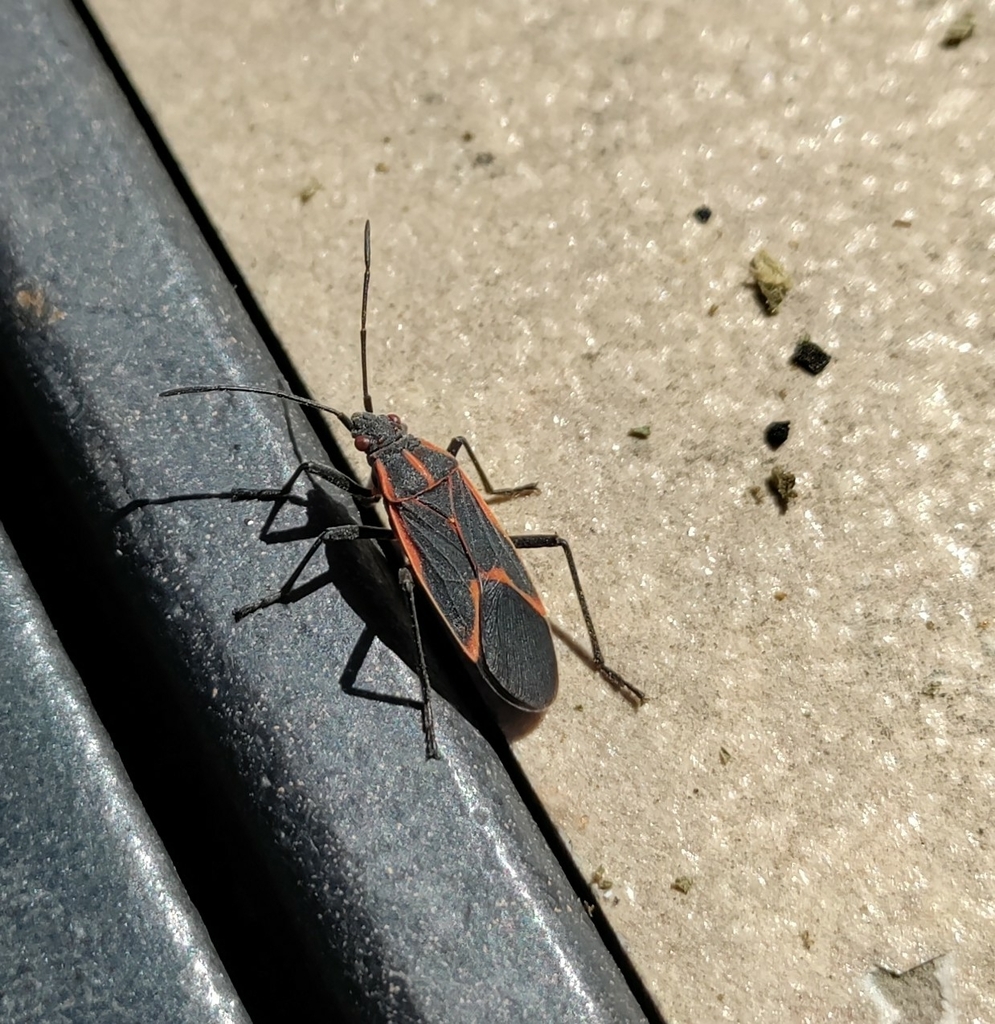 Boisea trivittata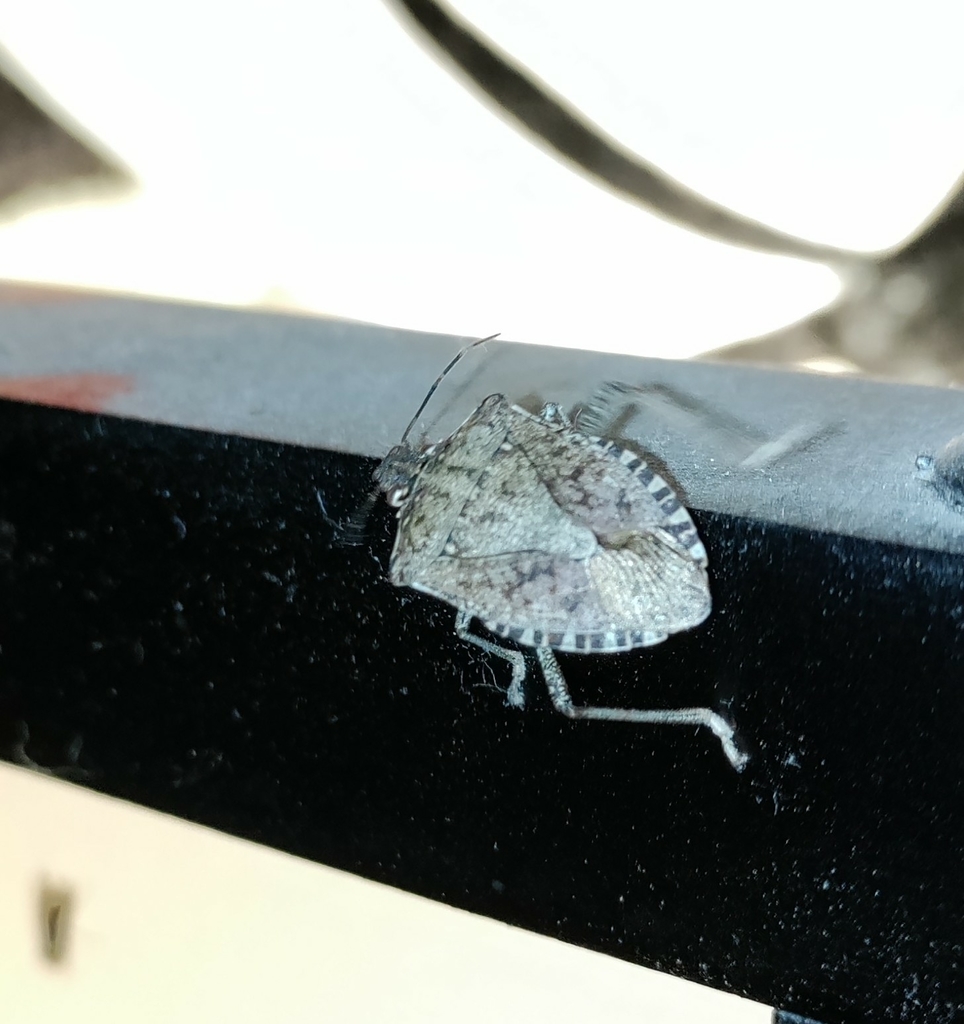 Halyomorpha halys Gerridae spp.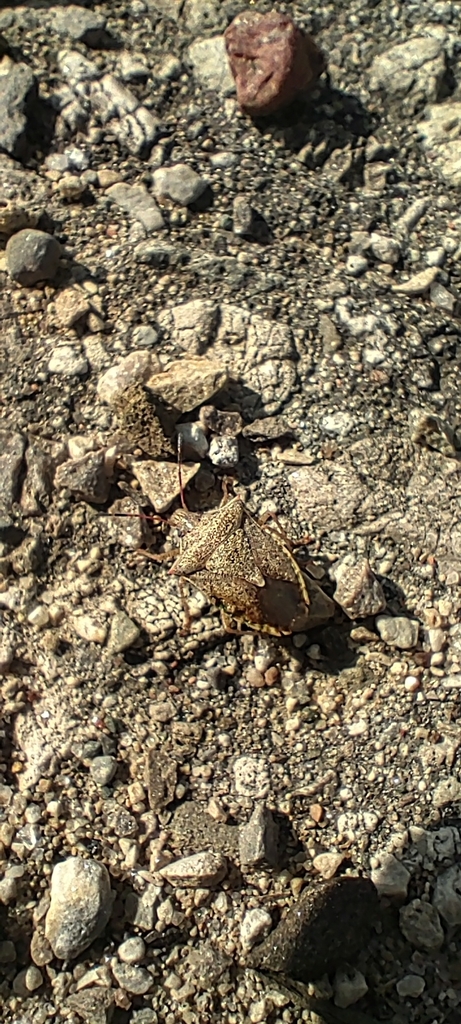 Euschistus spp. |
Eumenes fraternus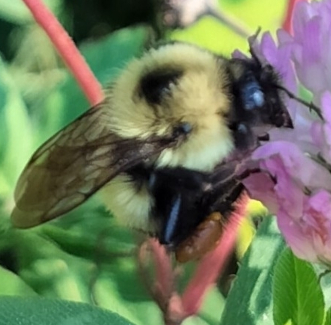 Bombus bimaculatus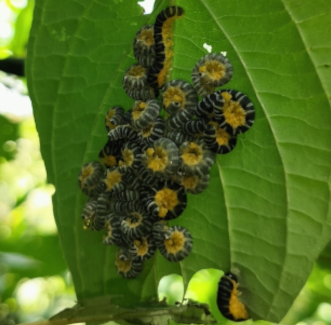 Macremphytus tarsatus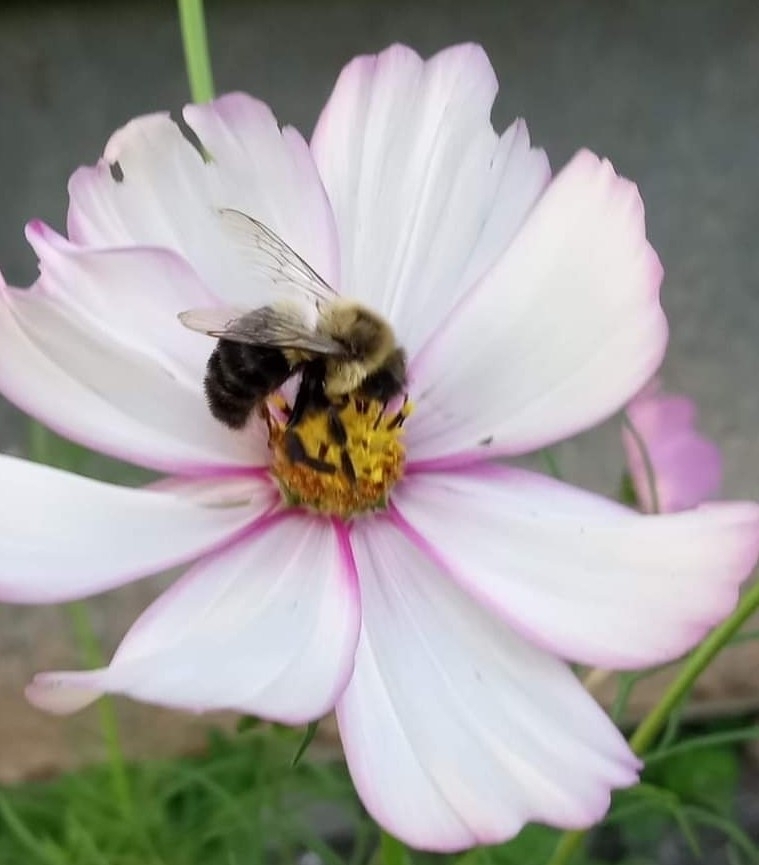 Bombus impatiens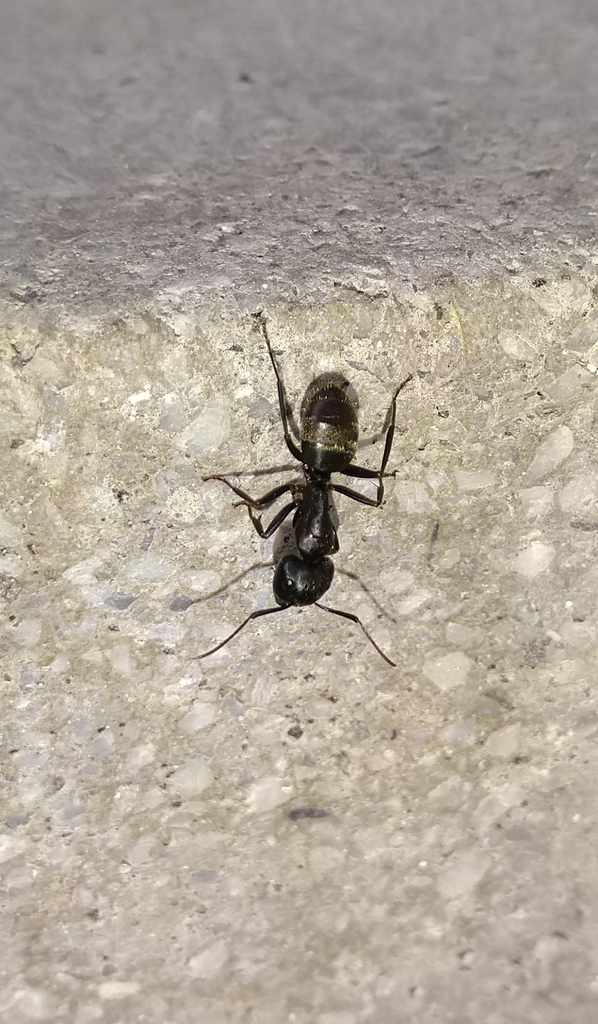 Camponotus pennsylvanicus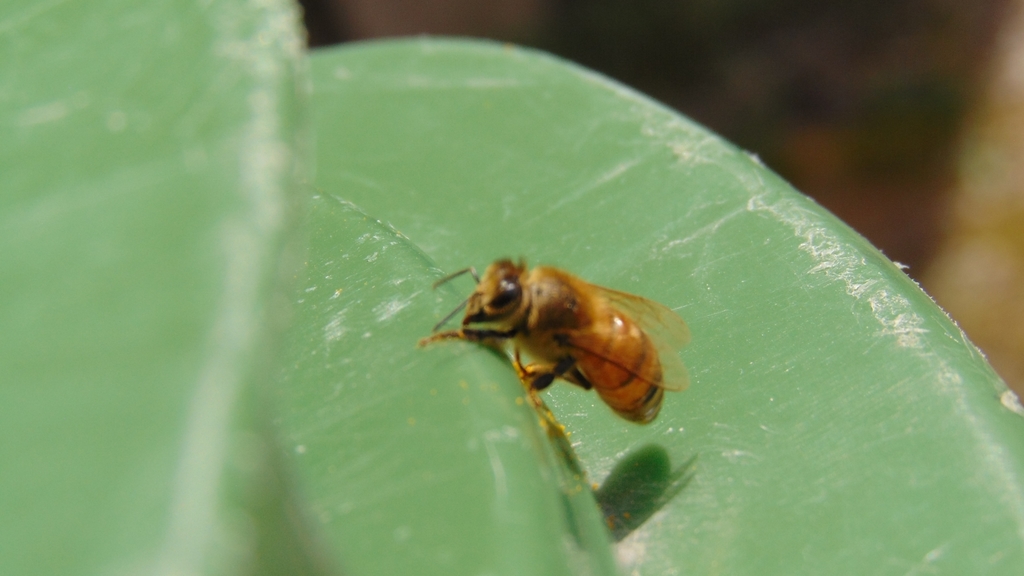 Apis mellifera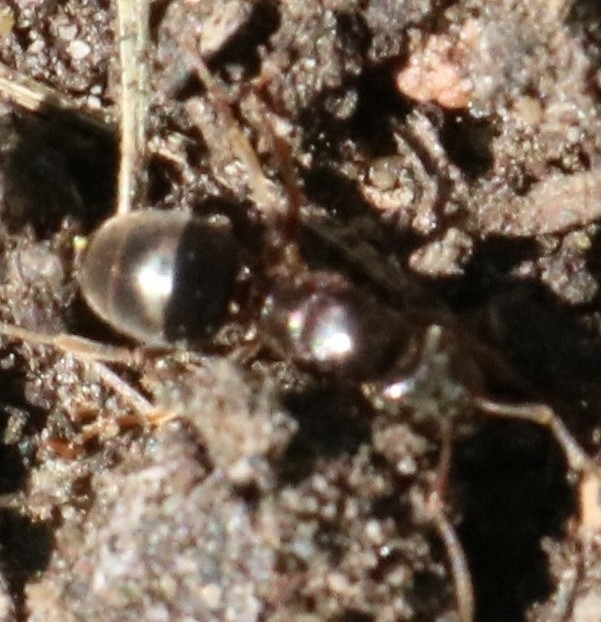 Lasius aphidicola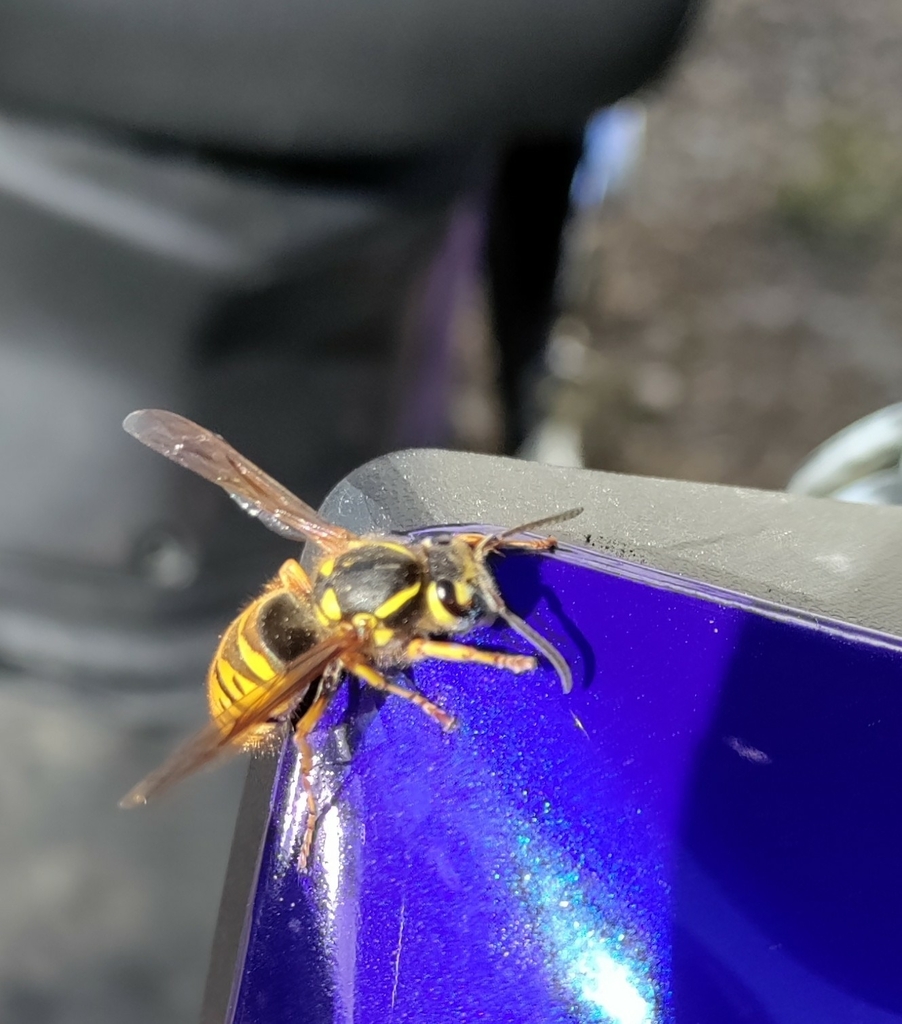 Vespula flavopilosa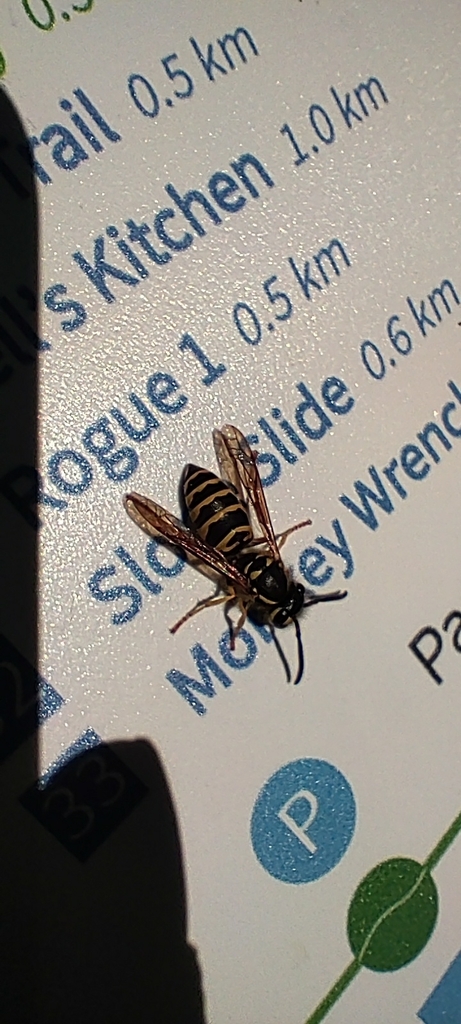 Vespula maculifrons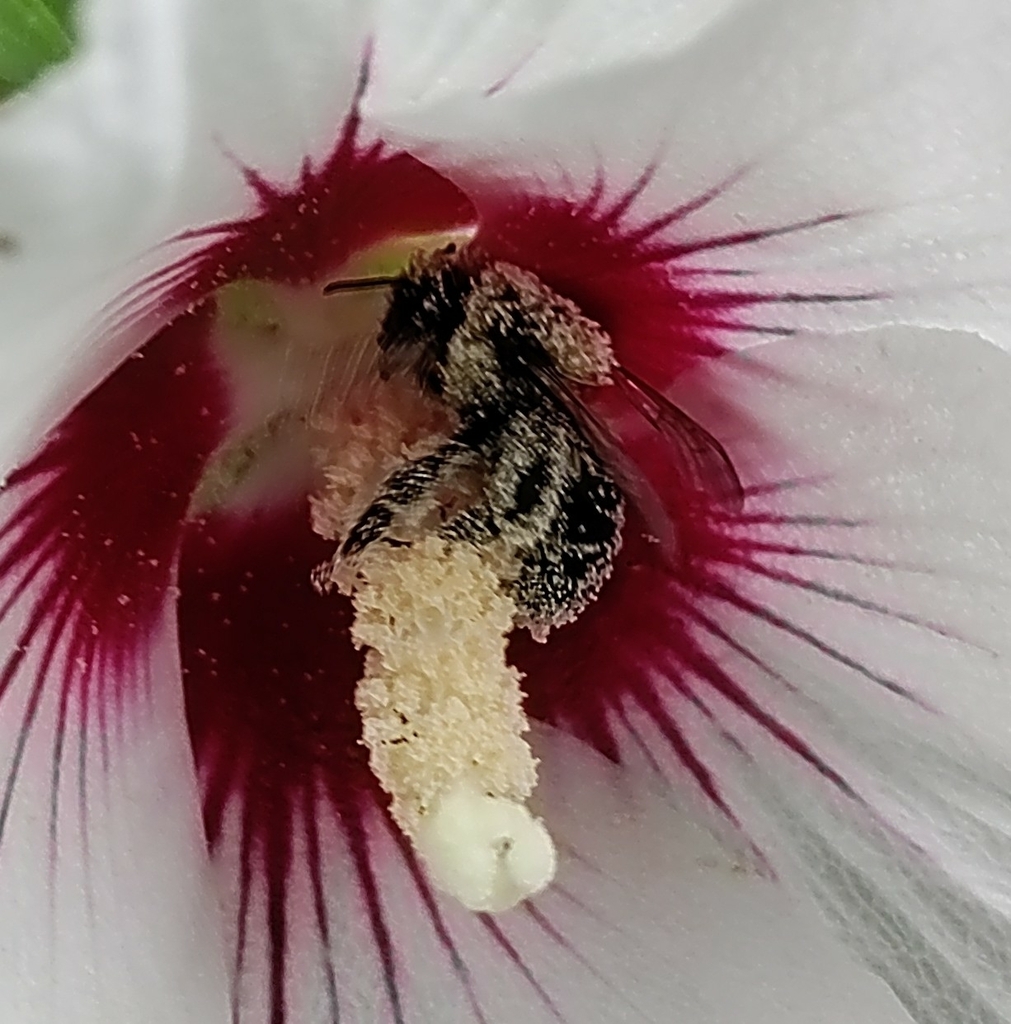 Bombus spp.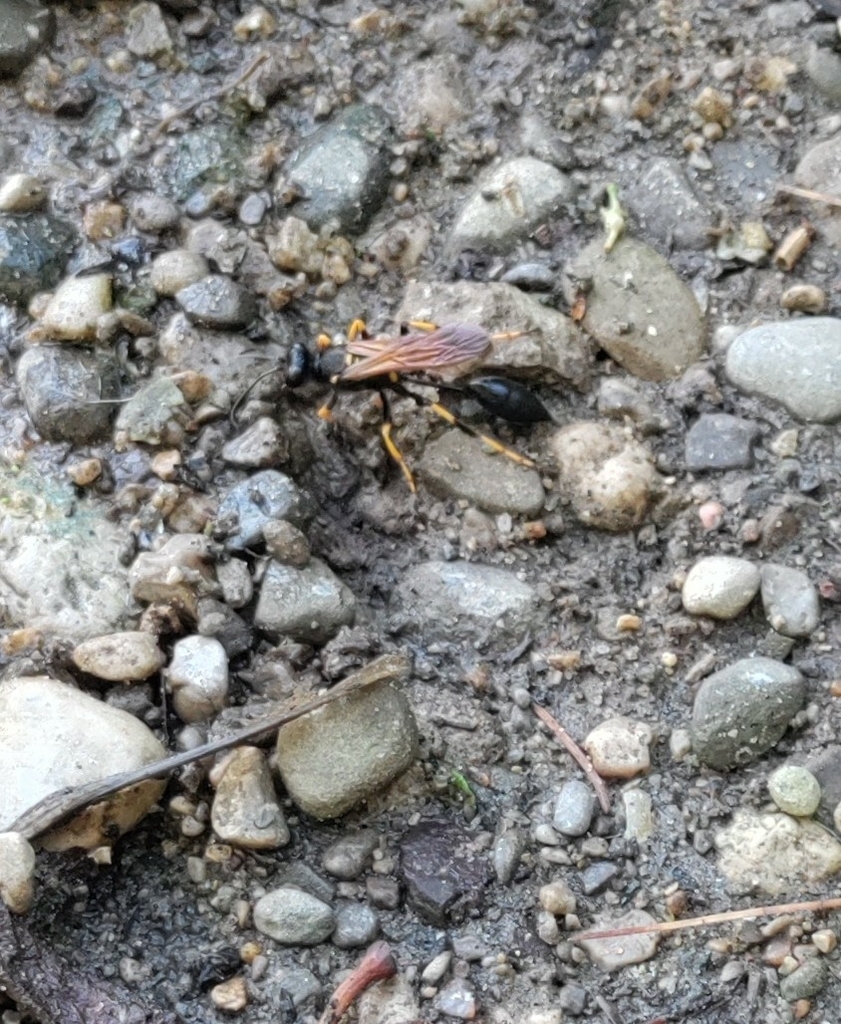 Sceliphron caementarium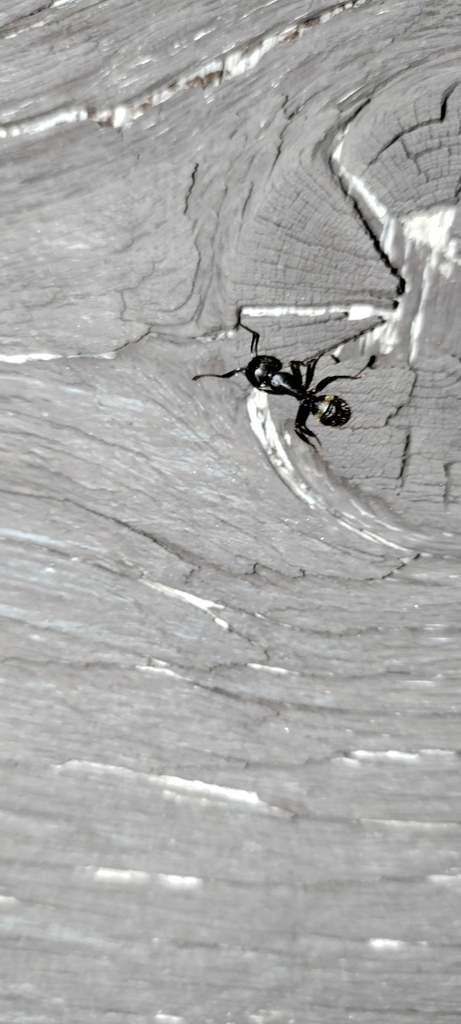 Camponotus nearcticus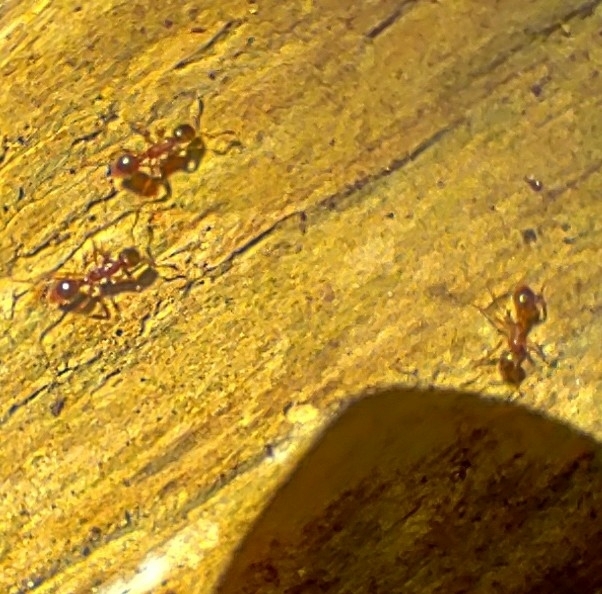 Myrmicinae spp.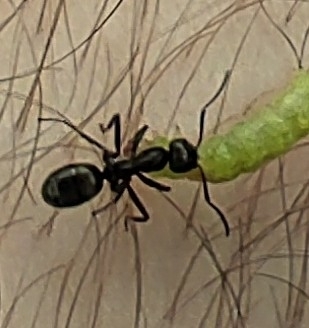 Formicinae spp.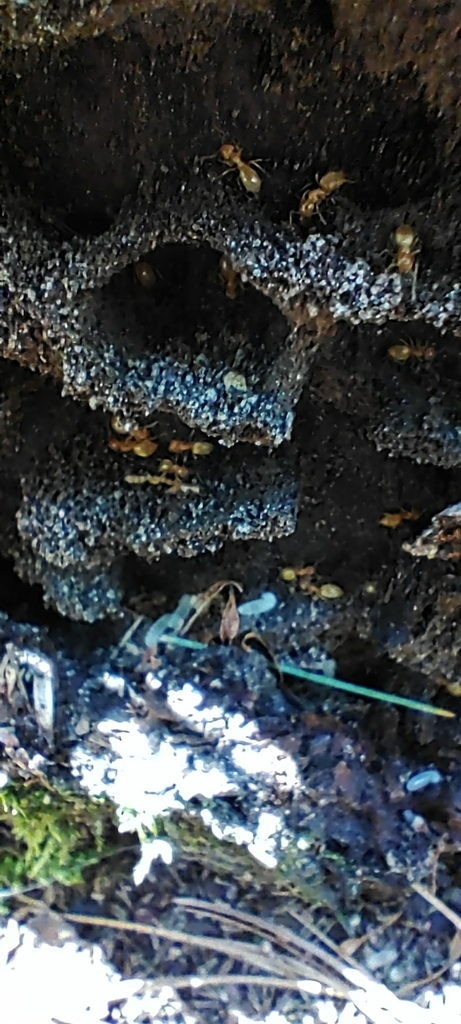 Lasius spp.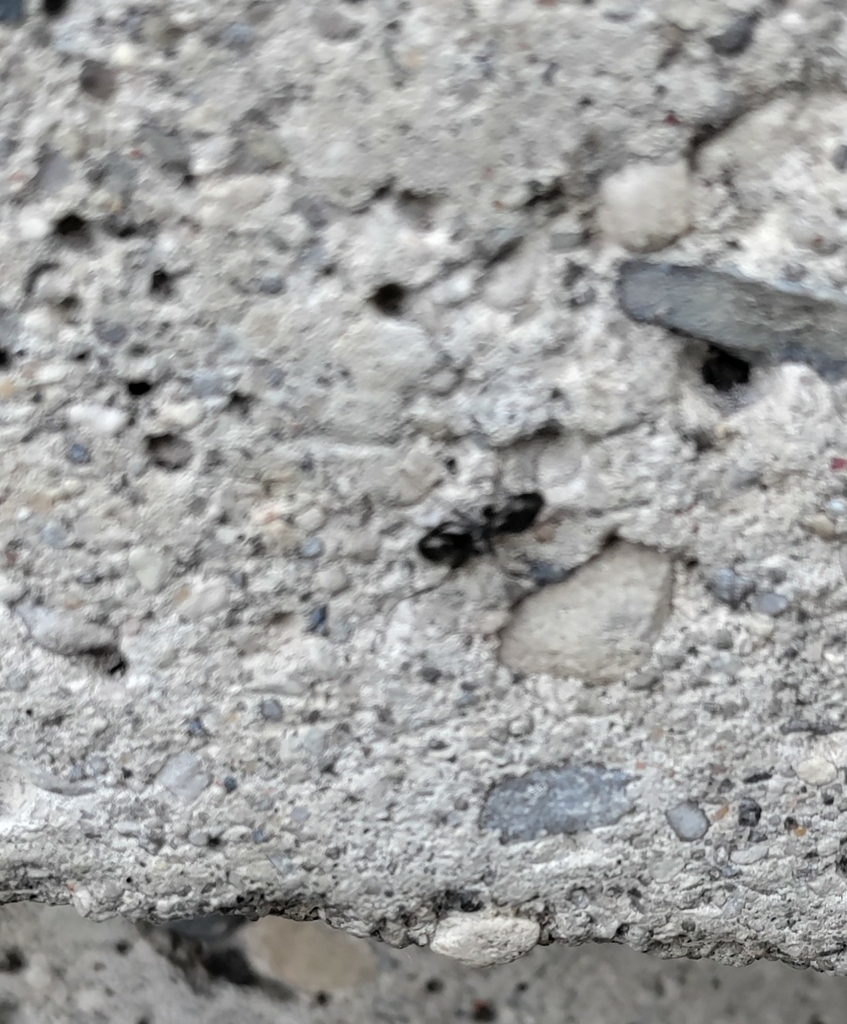 Complex Formica fusca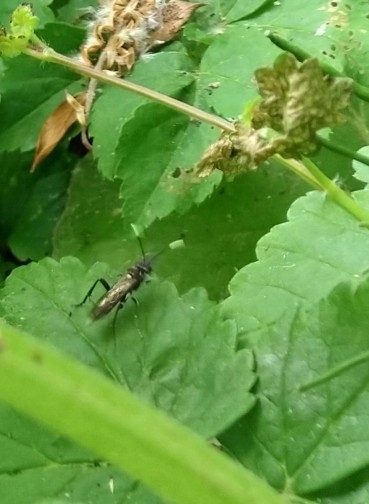 Macrophya trisyllaba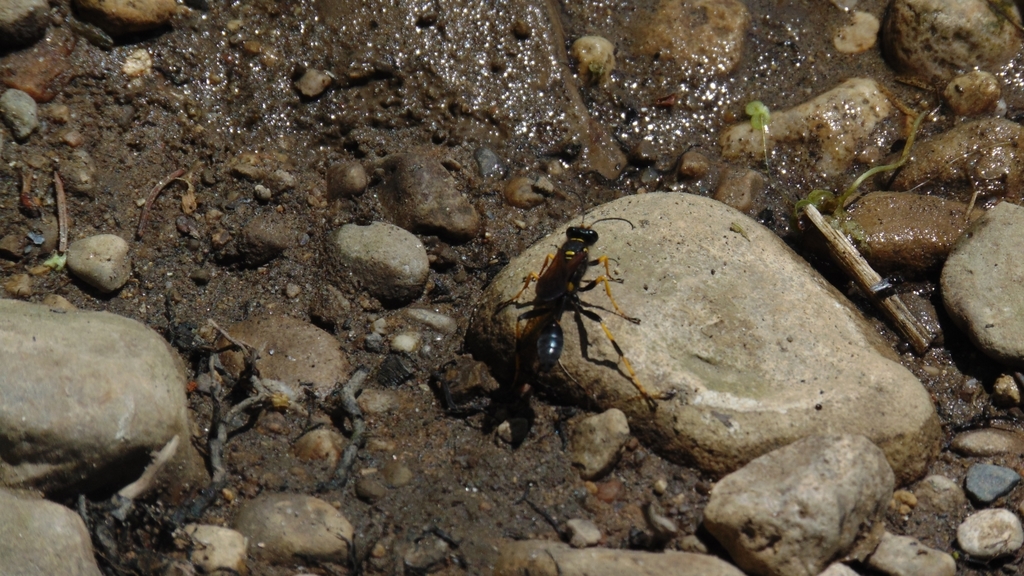 Sceliphron caementarium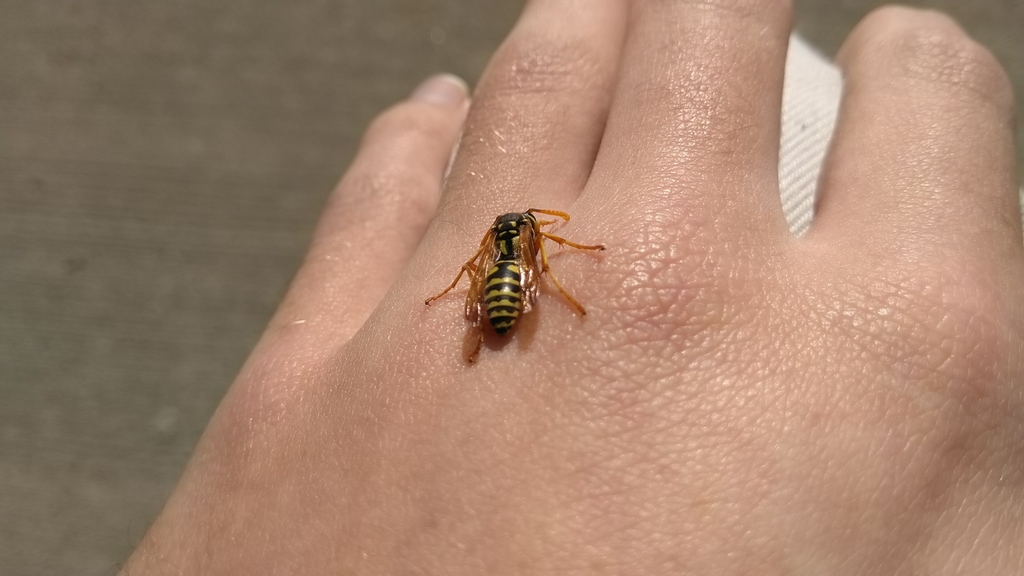 Polistes dominula |
Celastrina lucia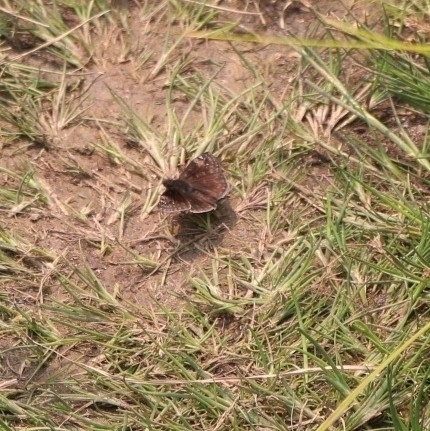 Erynnis baptisiae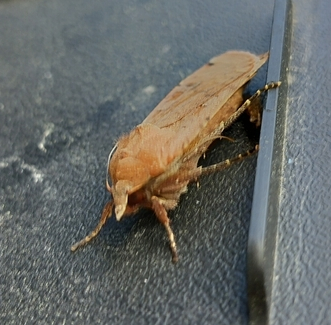 Noctua pronuba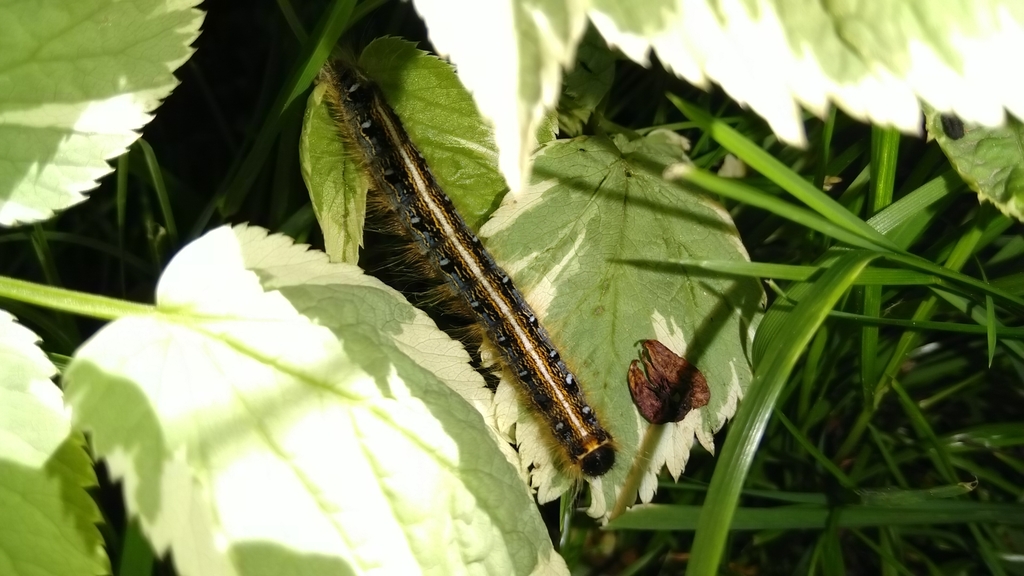 Malacosoma americana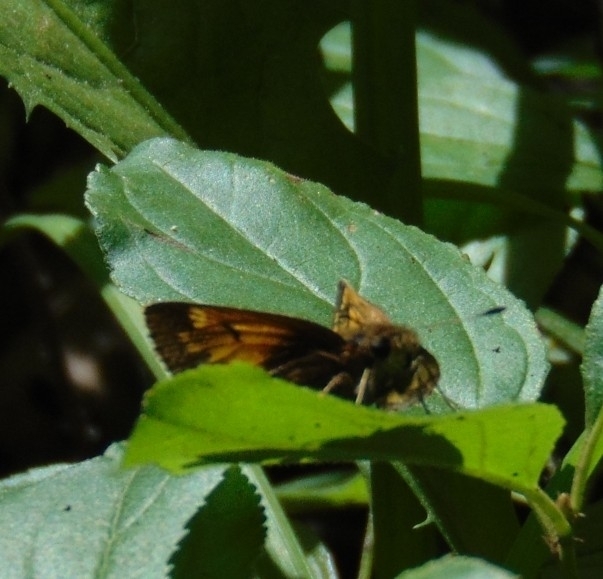 Lon hobomok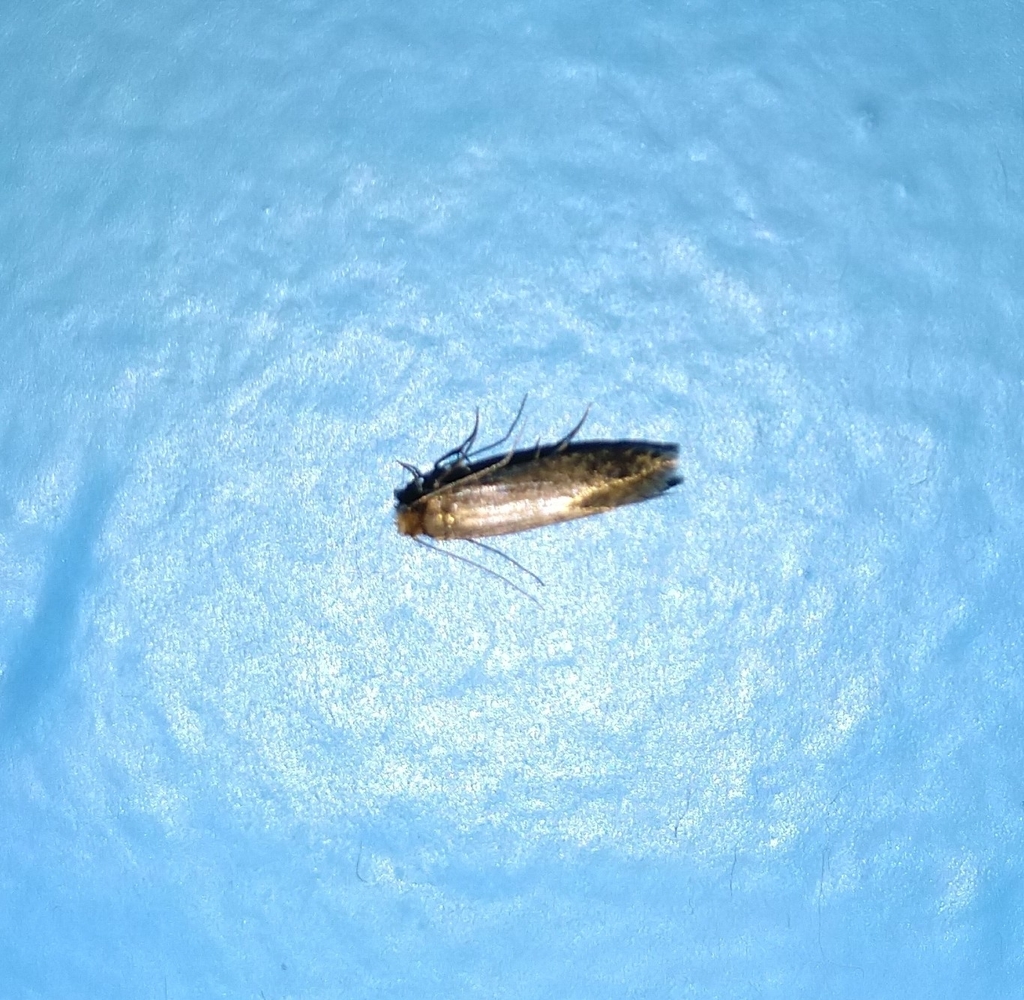 Tineola bisselliella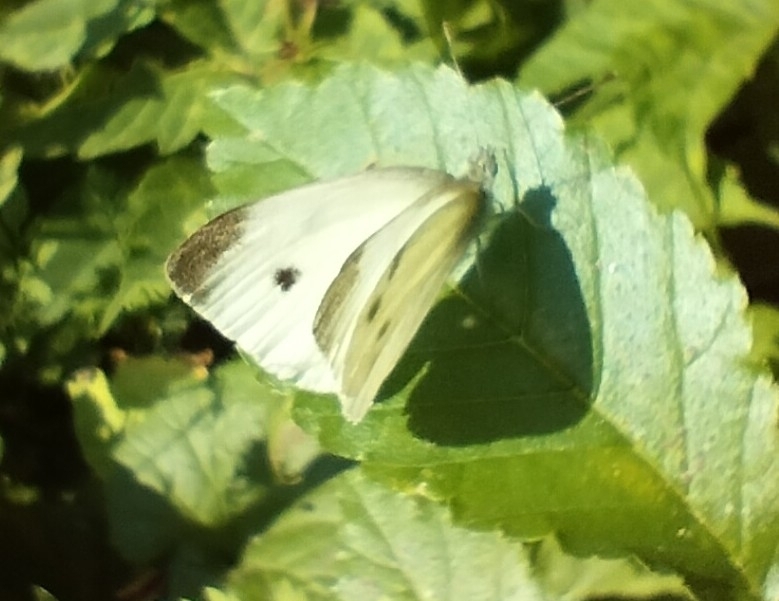 Pieris rapae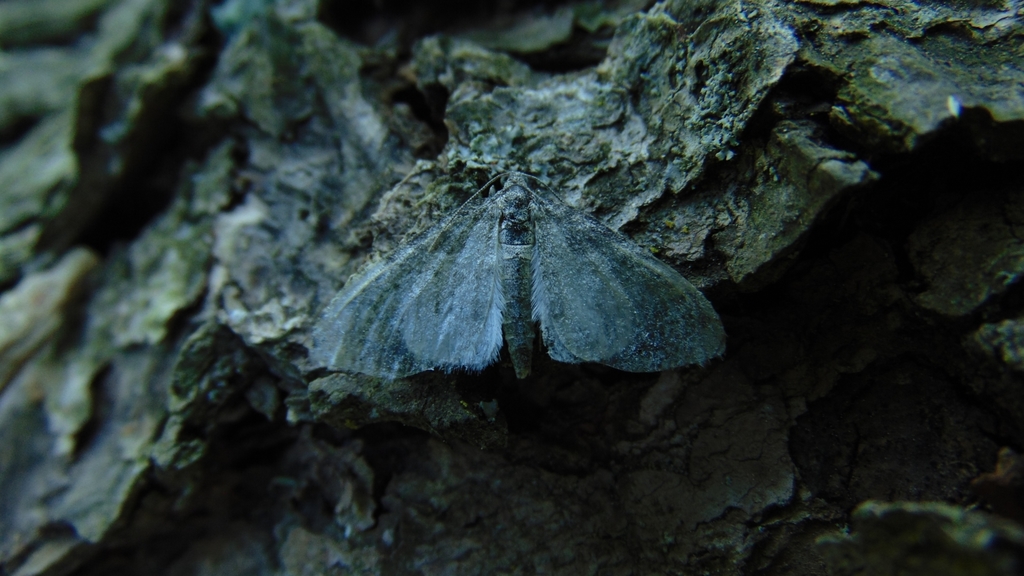 Aglossa pinguinalis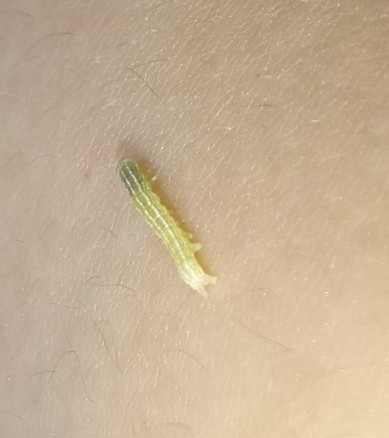 Noctuoidea sp. |
Argia moesta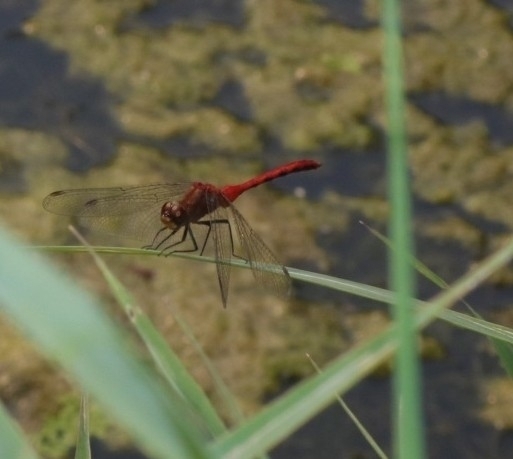 Sympetrum rubicundulum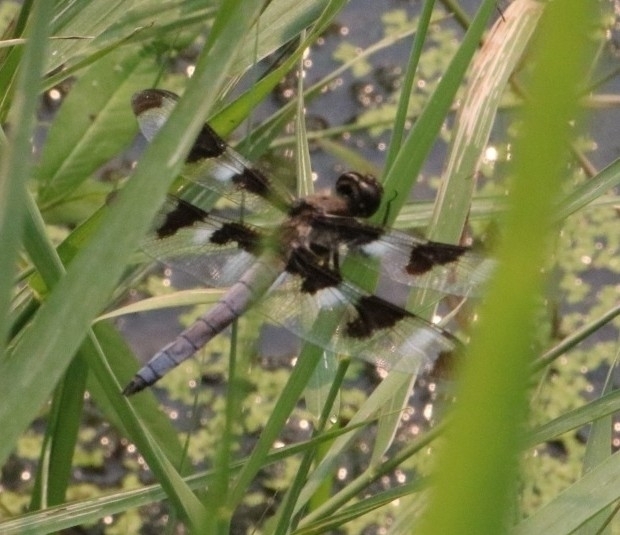 Libellula pulchella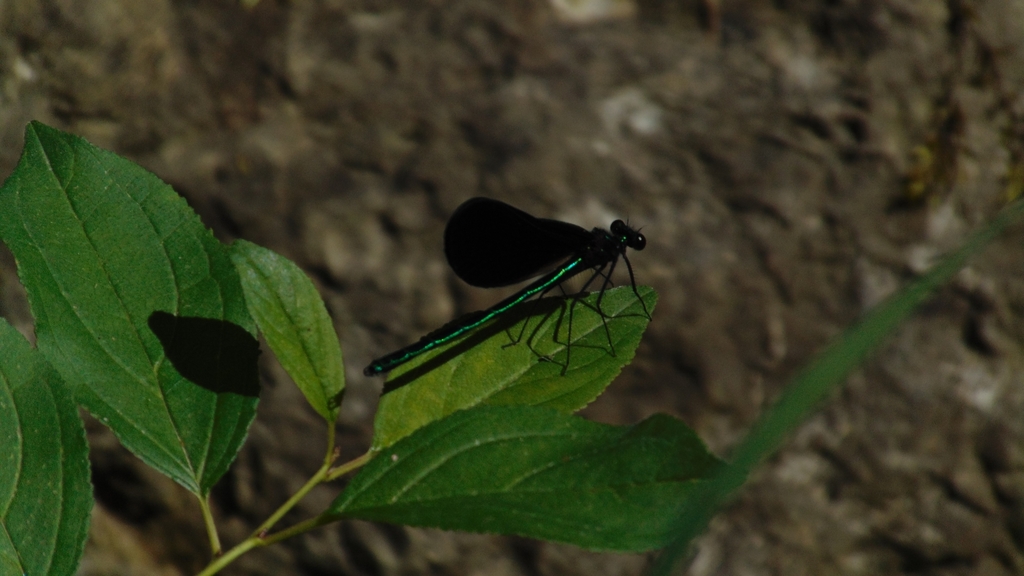 Calopteryx maculata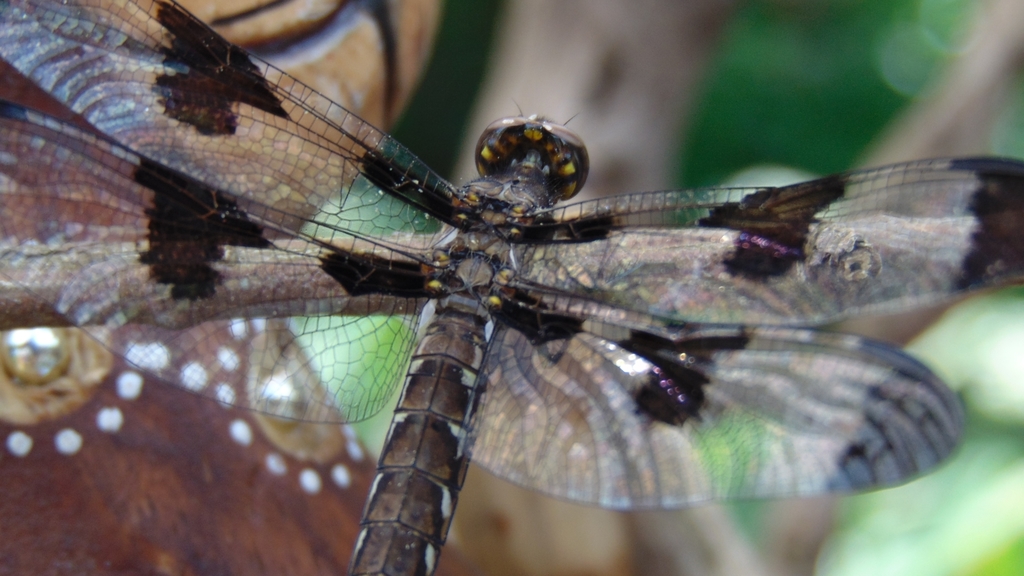 Plathemis lydia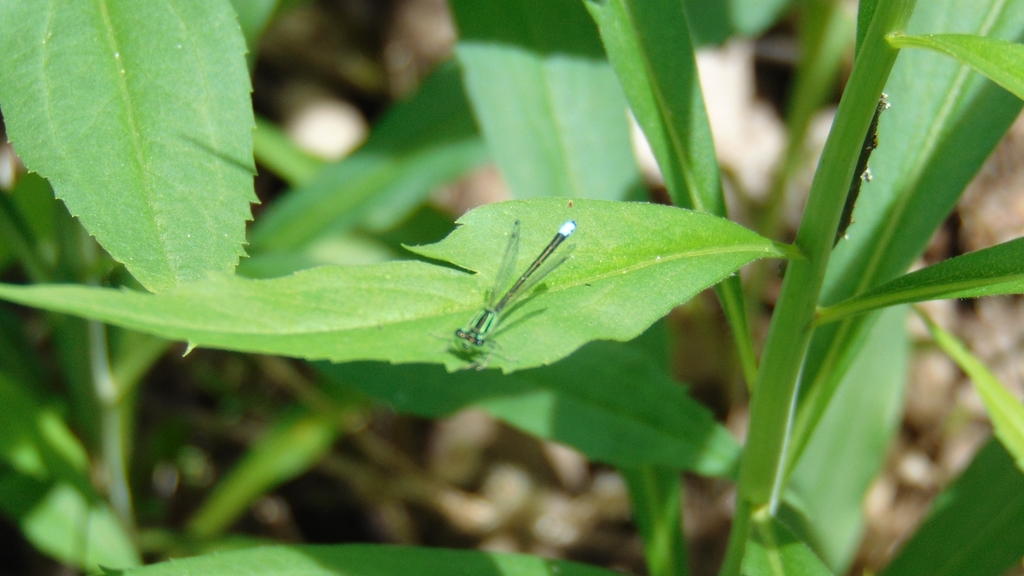 Ischnura verticalis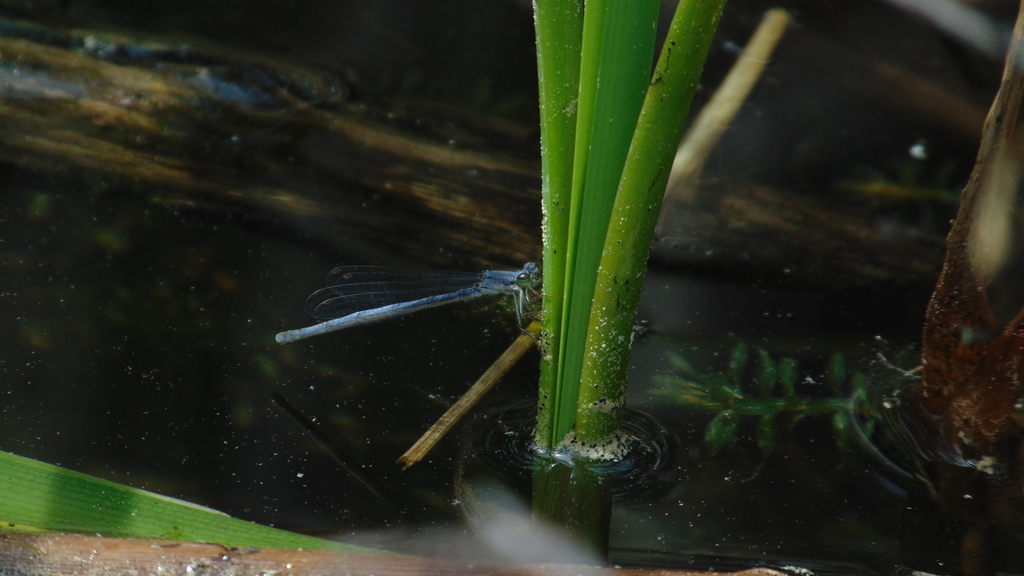 Ischnura posita |
Scudderia pistillata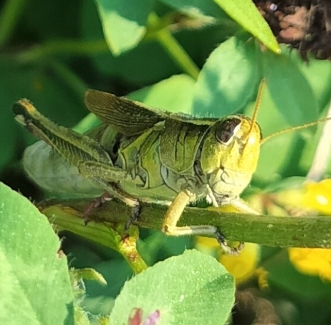 Melanoplus bivittatus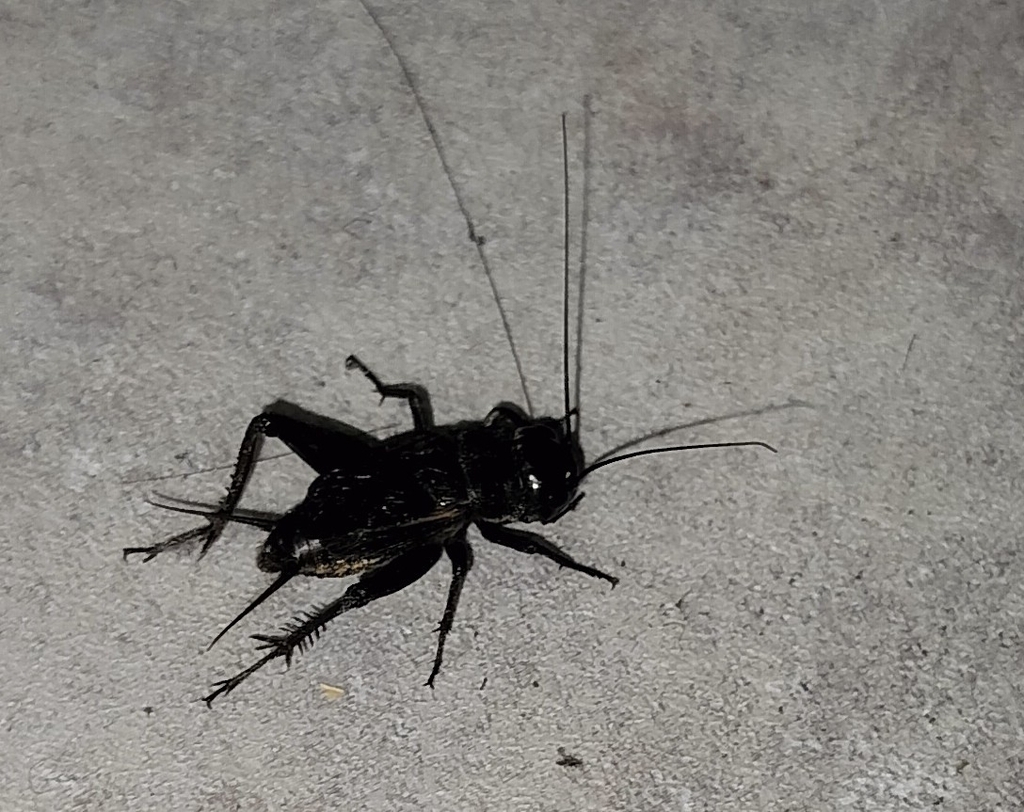 Gryllus pennsylvanicus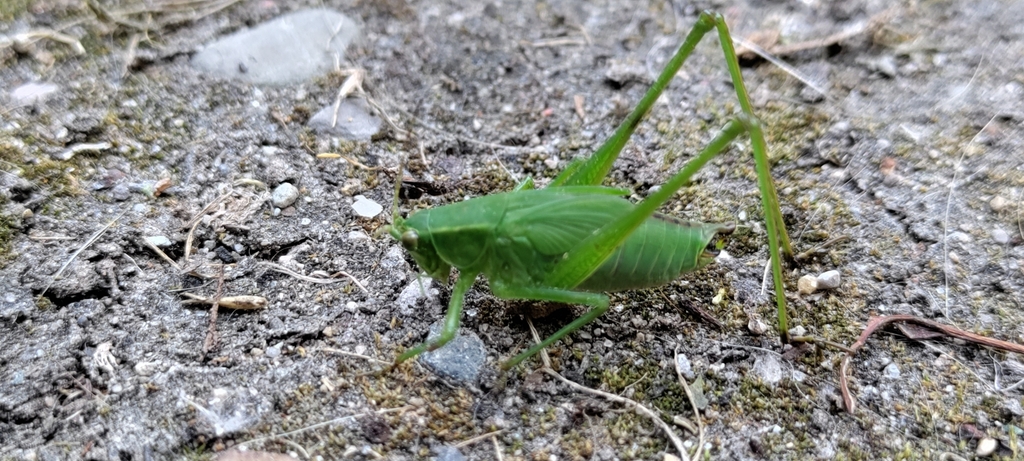 Scudderia spp.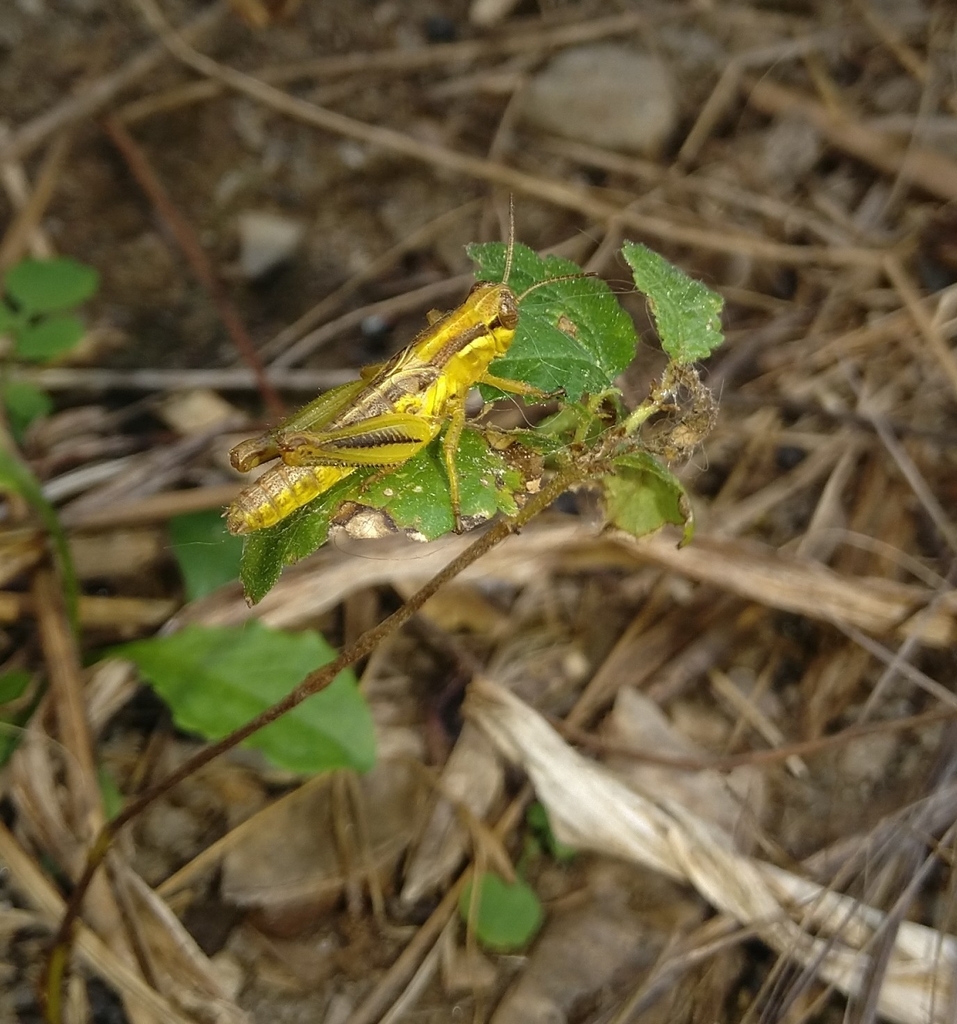 Melanoplus femurrubrum |
Hydropsychidae spp.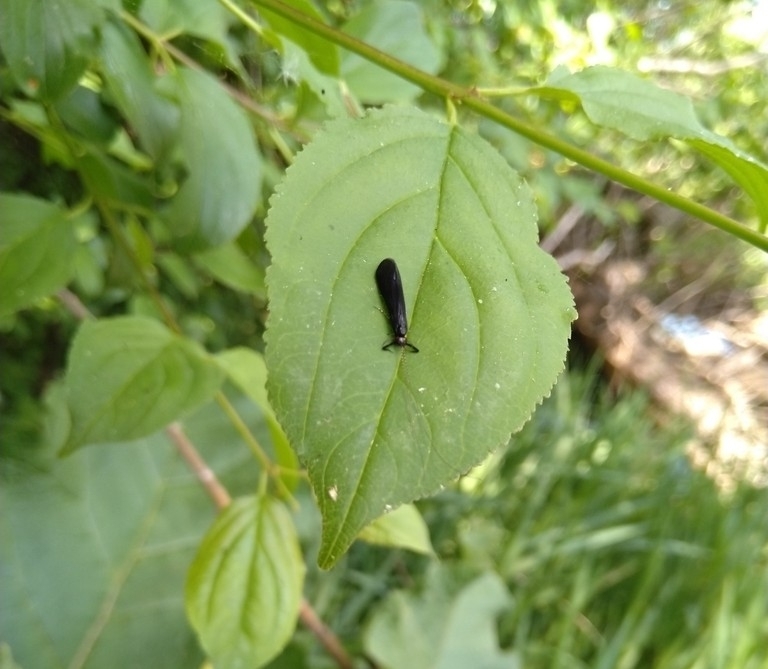 Mystacides sepulchralis |
Ctenolepisma longicaudatum |
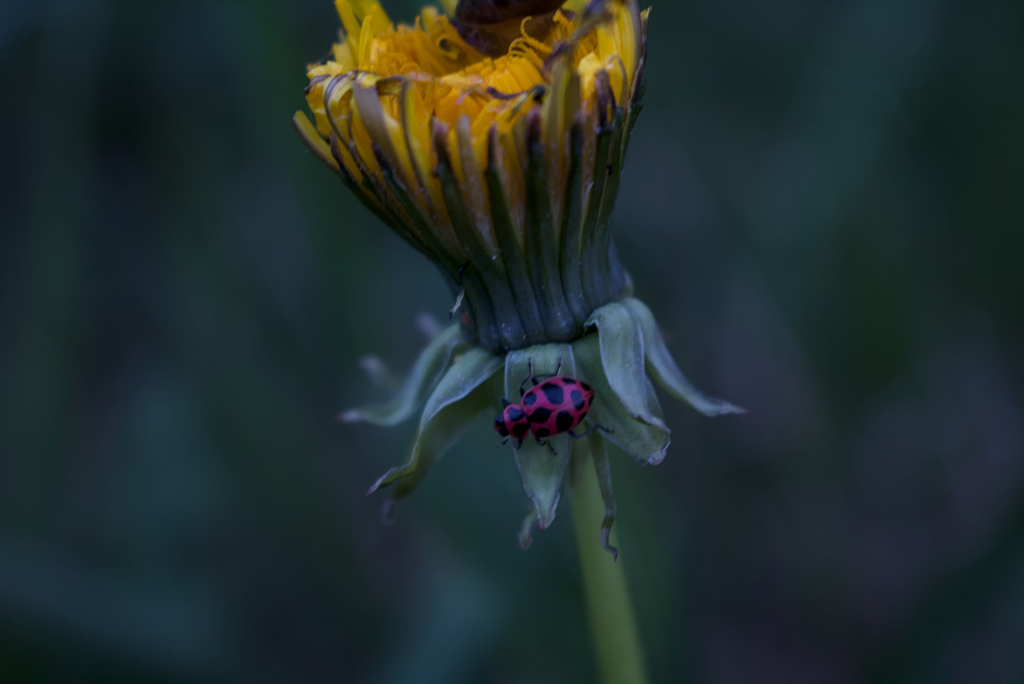
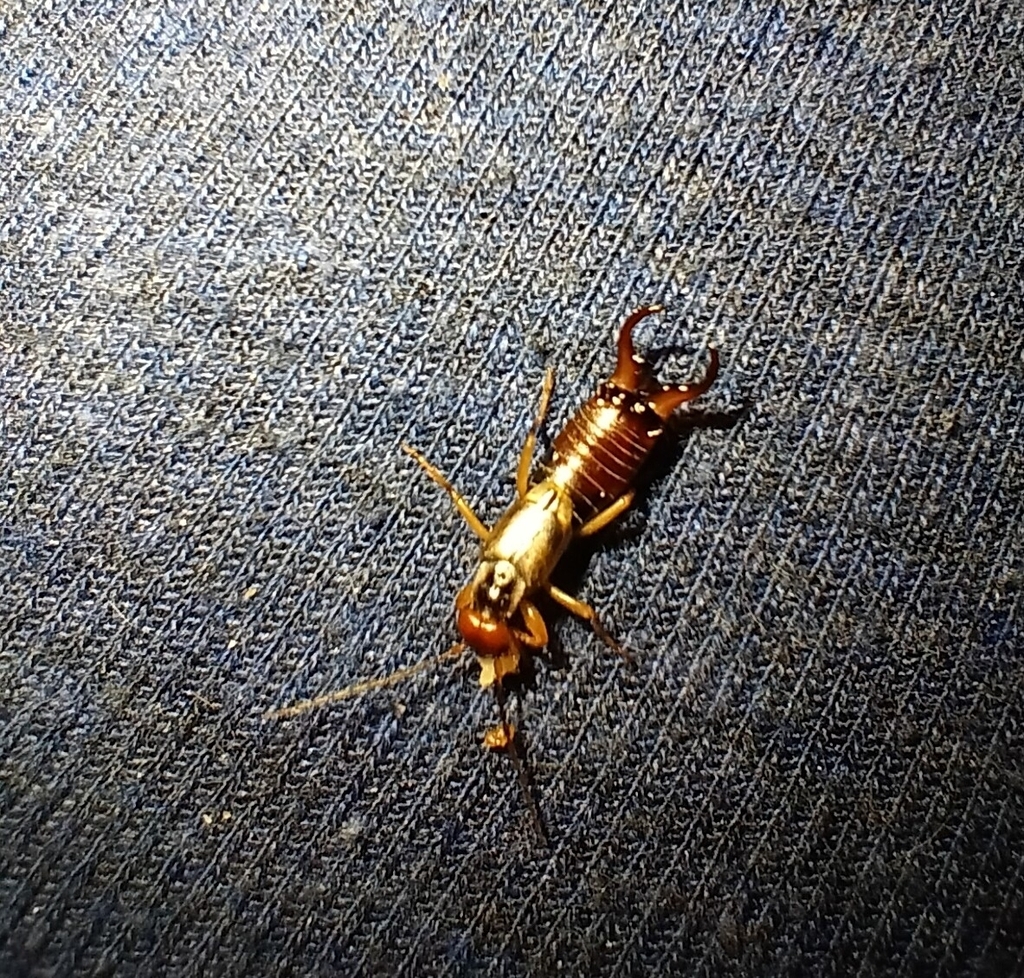
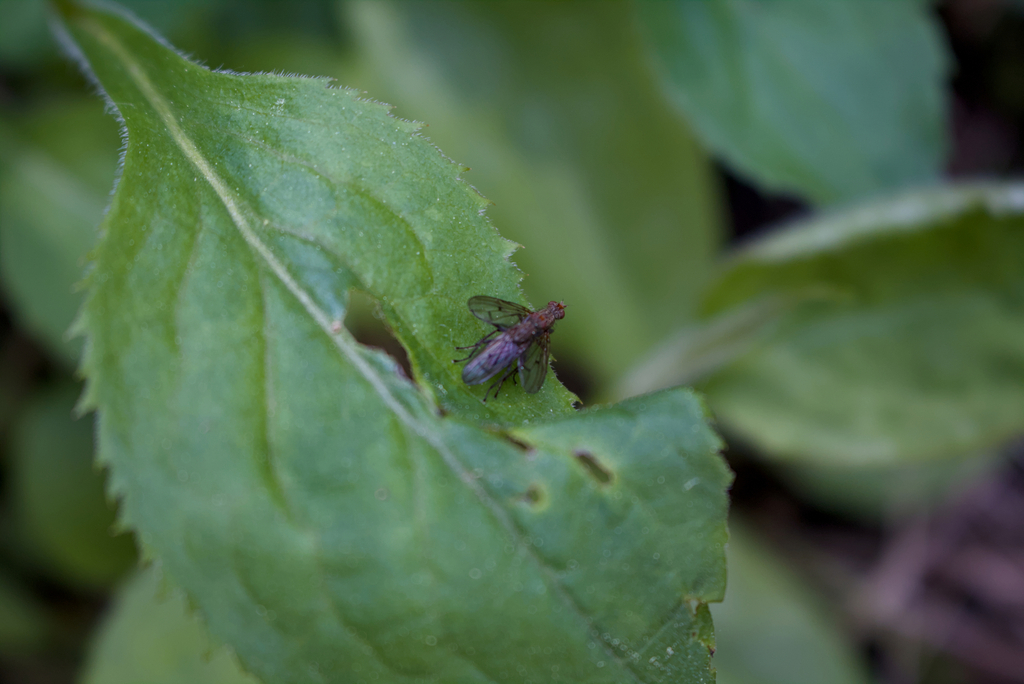
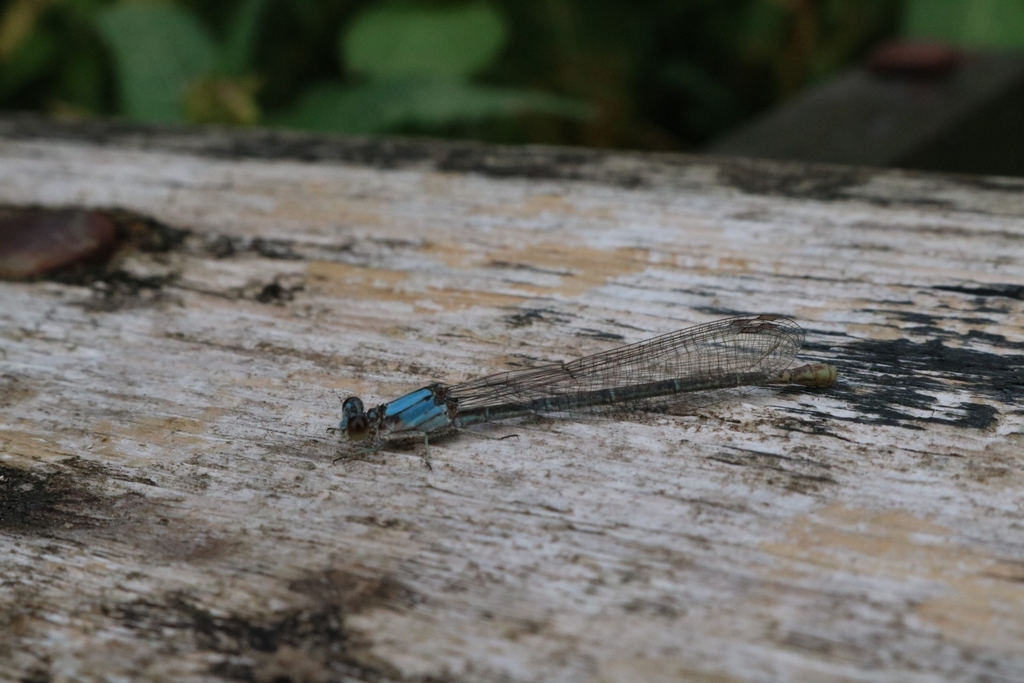
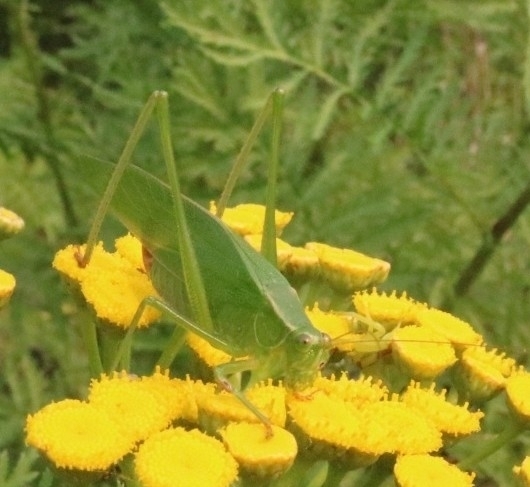
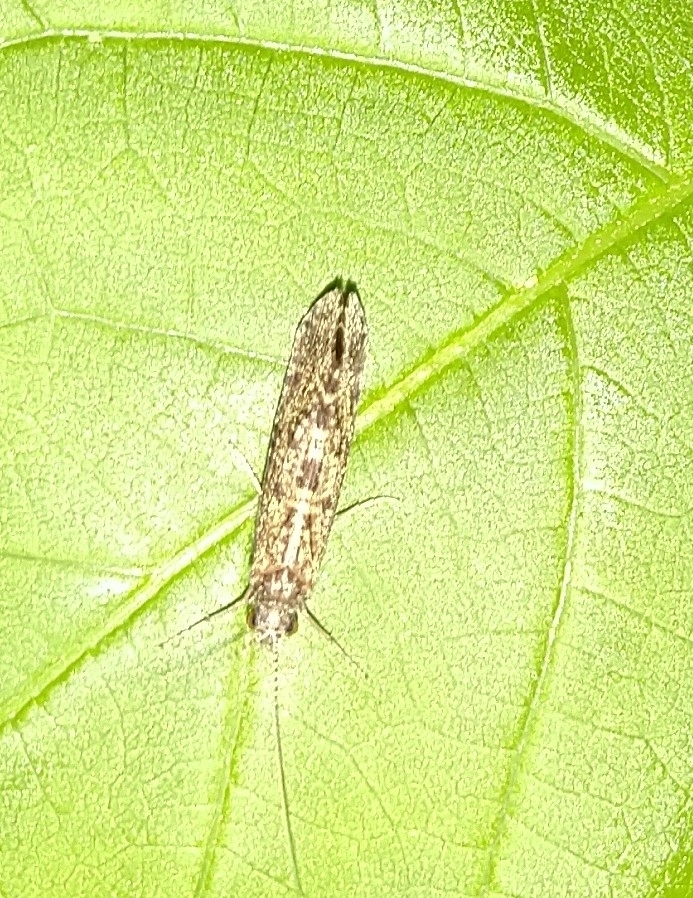

|
Jump to top |
|
|
|
|
ARANEAE
|
|||||||
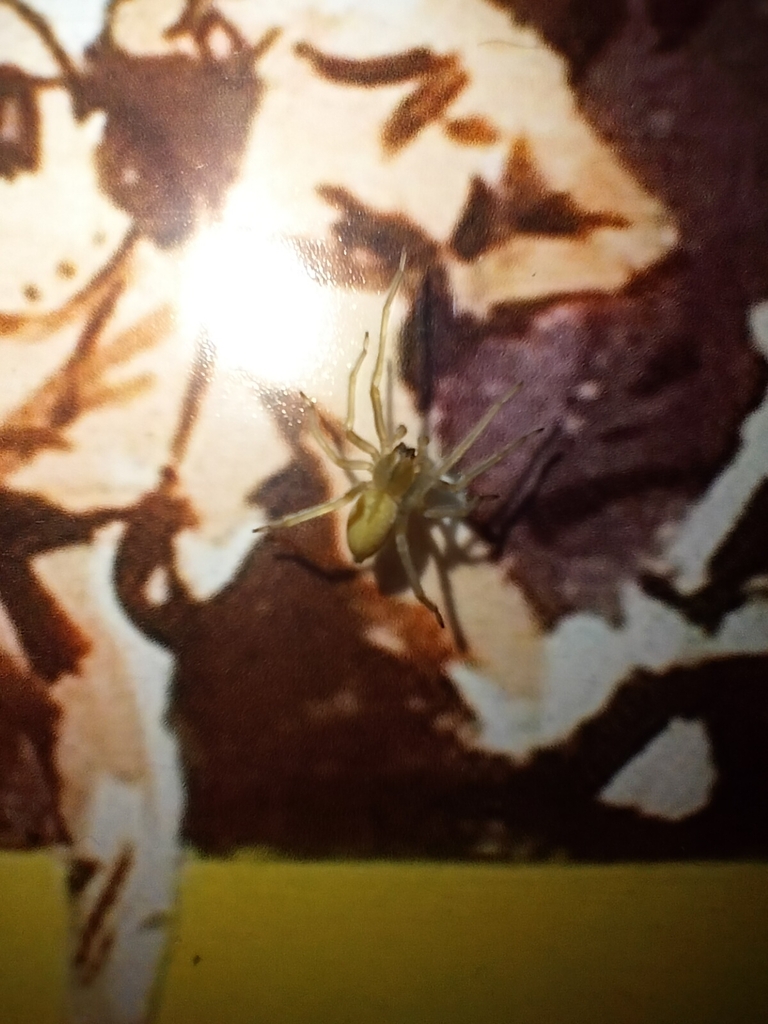
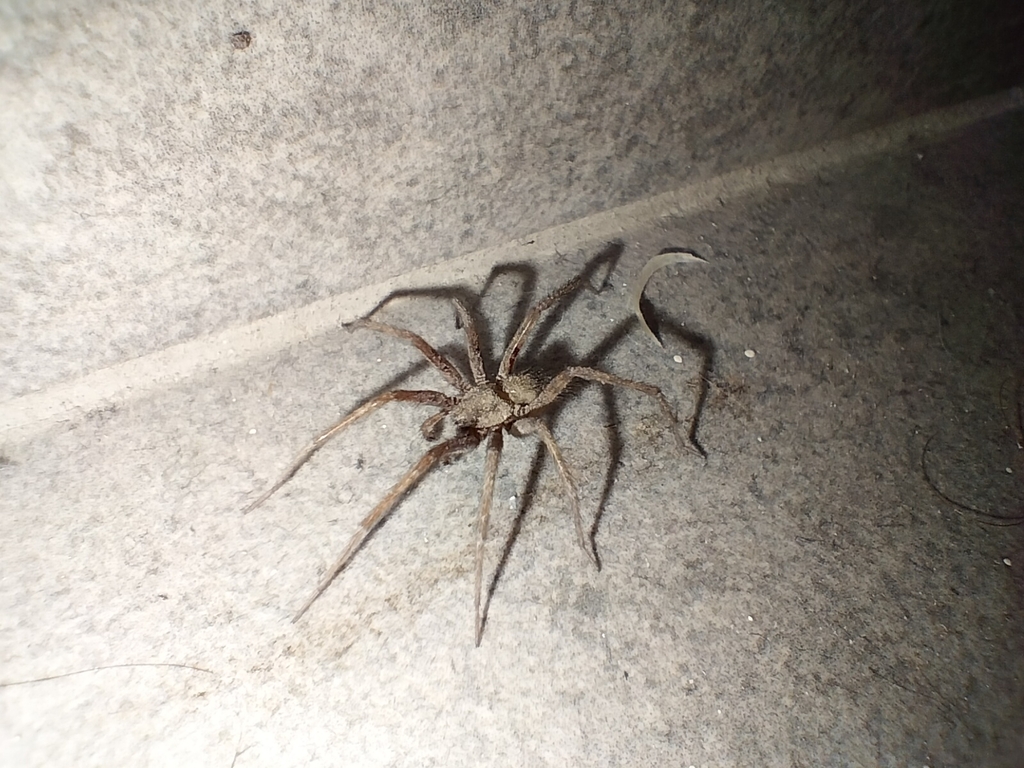
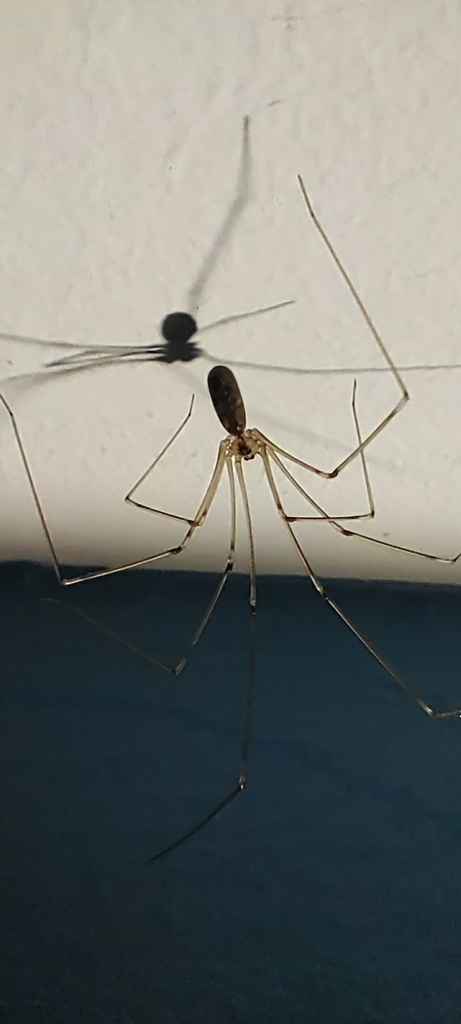
Cheiracanthium mildei |
Tegenaria sp. |
Theridiinae sp. |
Pholcus phalangioides |
Xysticus punctatus |
Lycosinae spp. |
Salticus scenicus |
Araneus diadematus |
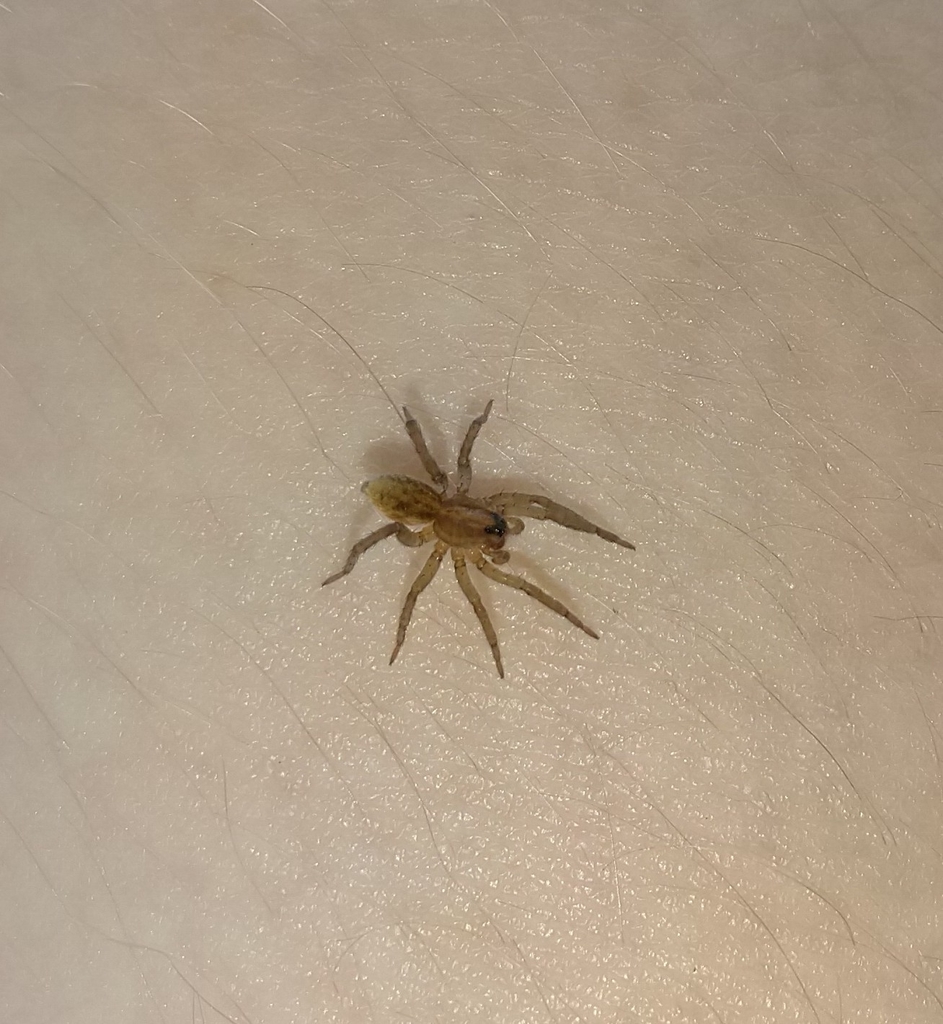
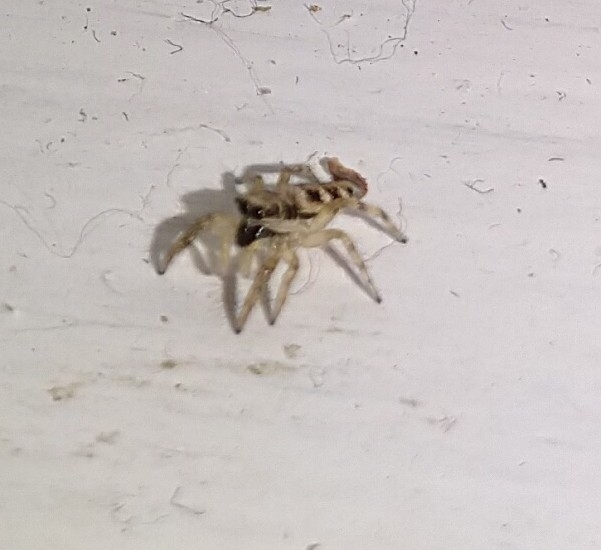
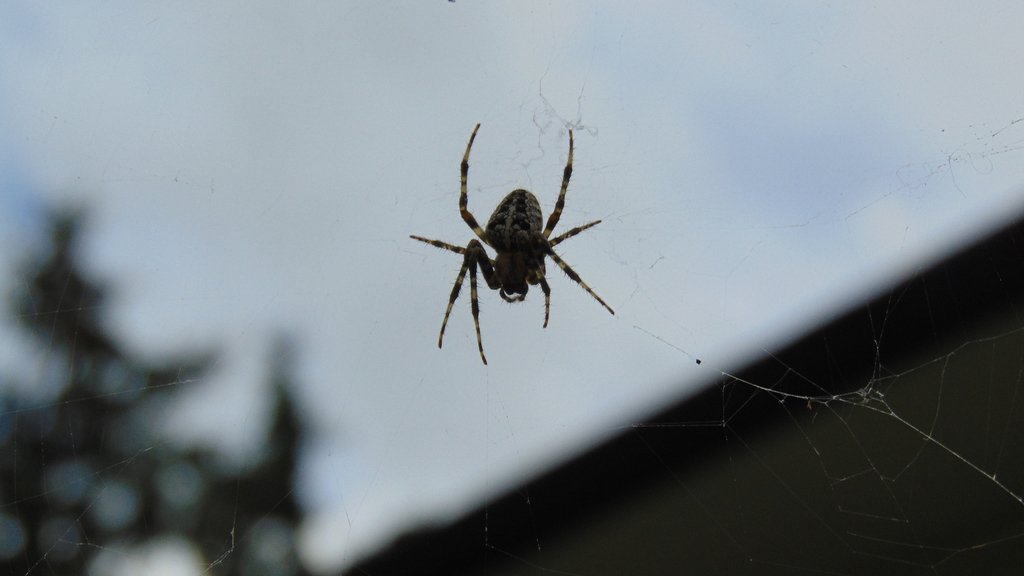
|
Jump to top |
|
|
|
|
DIPLODA
|
|||||||
Cylindroiulus caeruleocinctus | |||||||
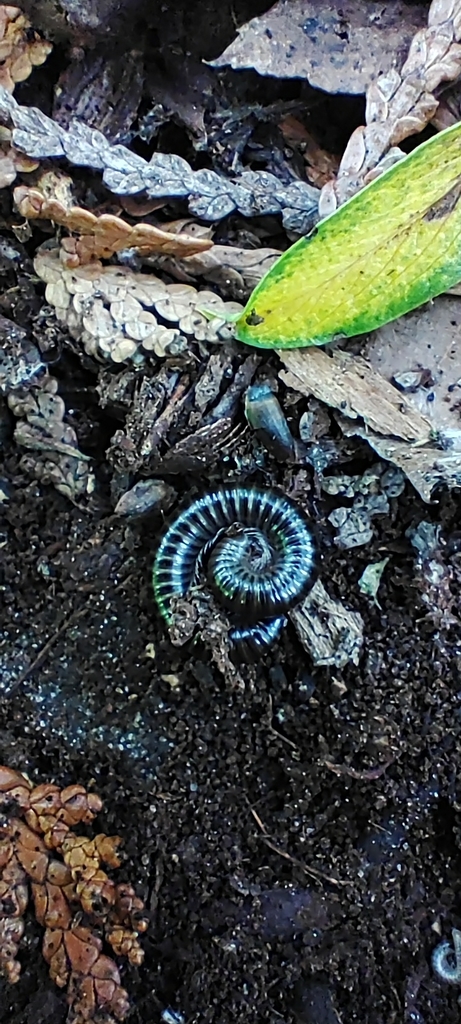
|
Jump to top |
|
|
|
|
BRYOPHYTA
|
TRACHEOPHYTA
|
|||
BRYOPSIDA | LILIOPSIDA | MAGNOLIOPSIDA | PINOPSIDA | POLYPODIOPSIDA |
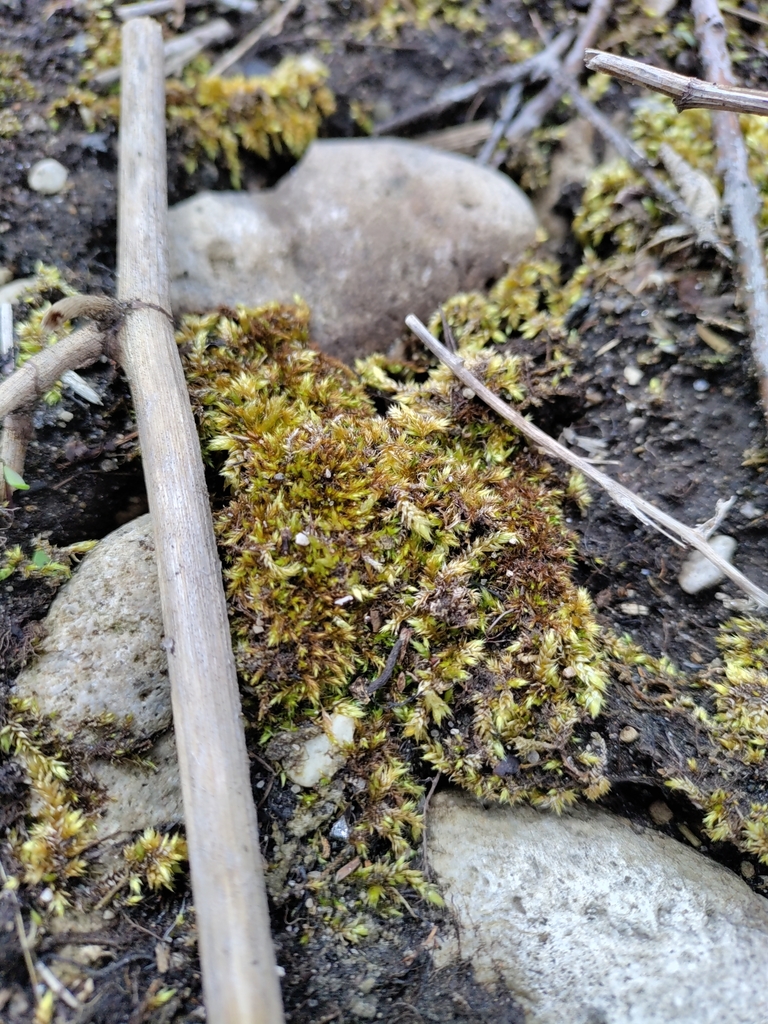
Ceratodon purpureus |
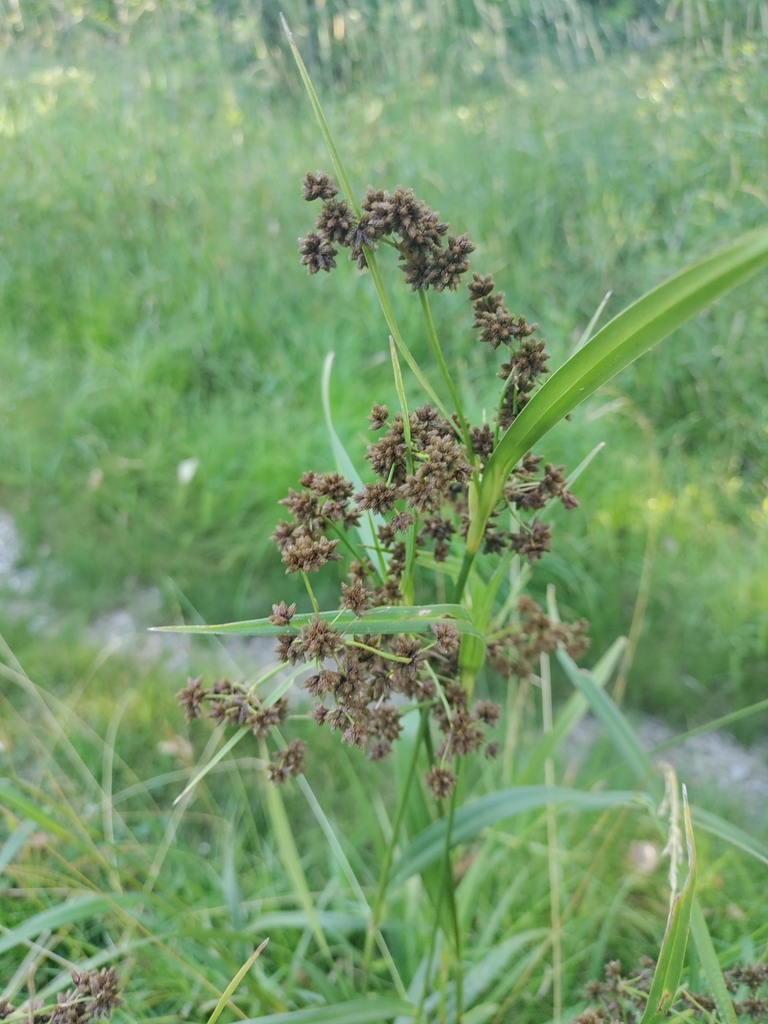
Scirpus atrovirens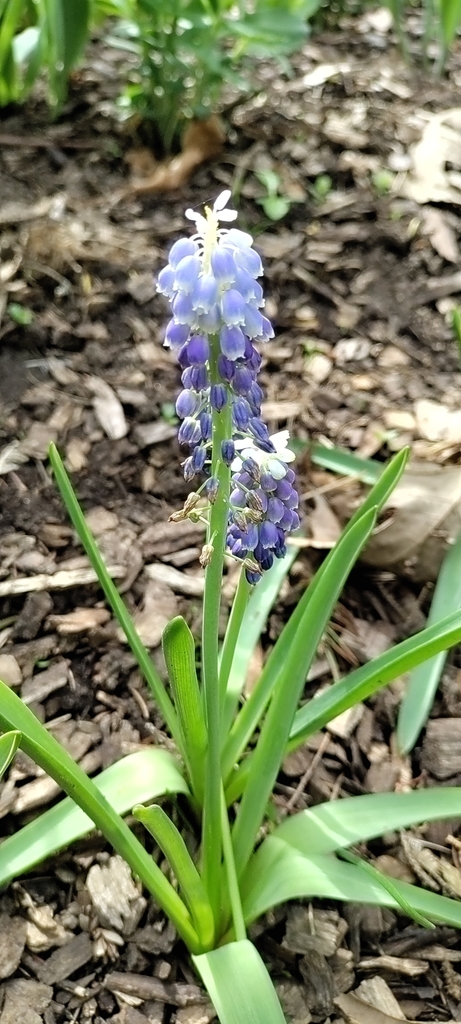 Muscari botryoides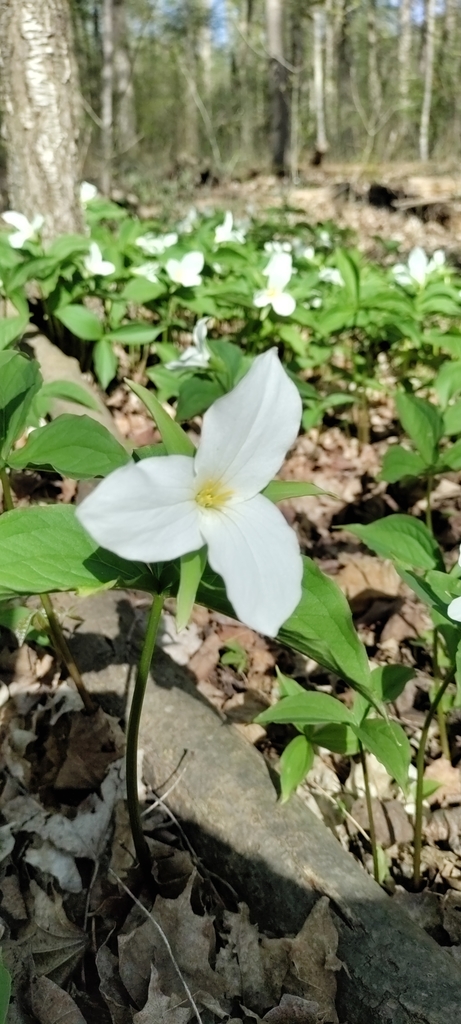 Trillium grandiflorum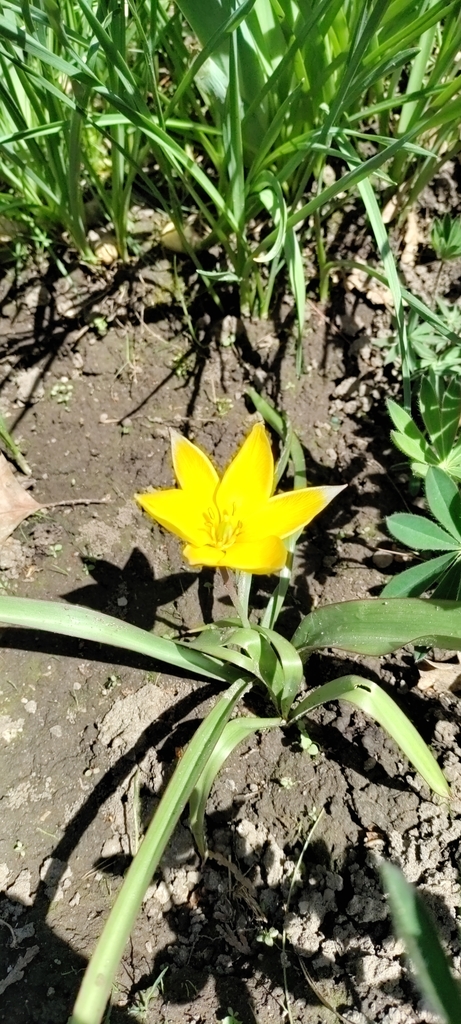 Tulipa urumiensis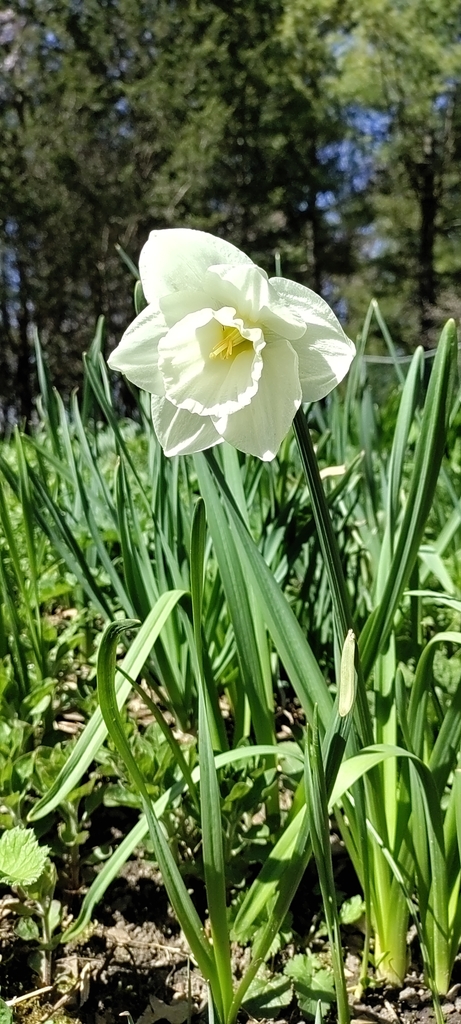 Narcissus poeticus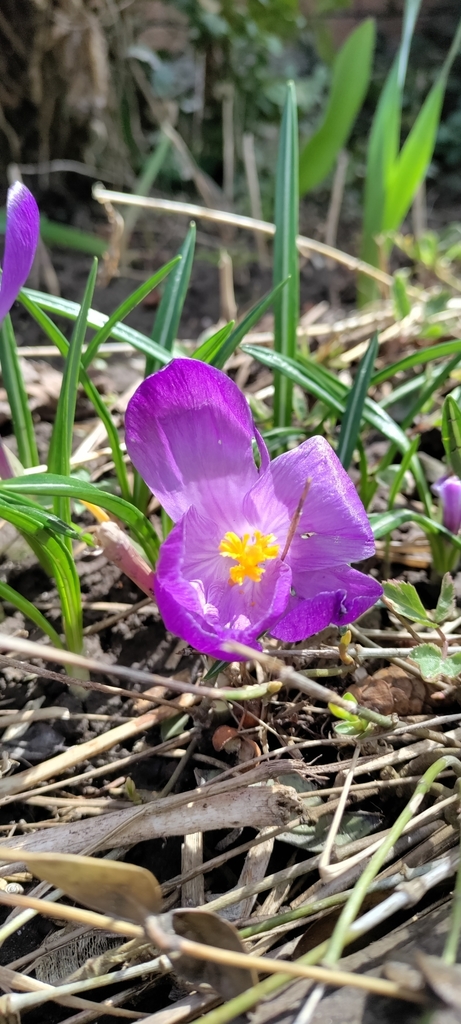 Crocus vernus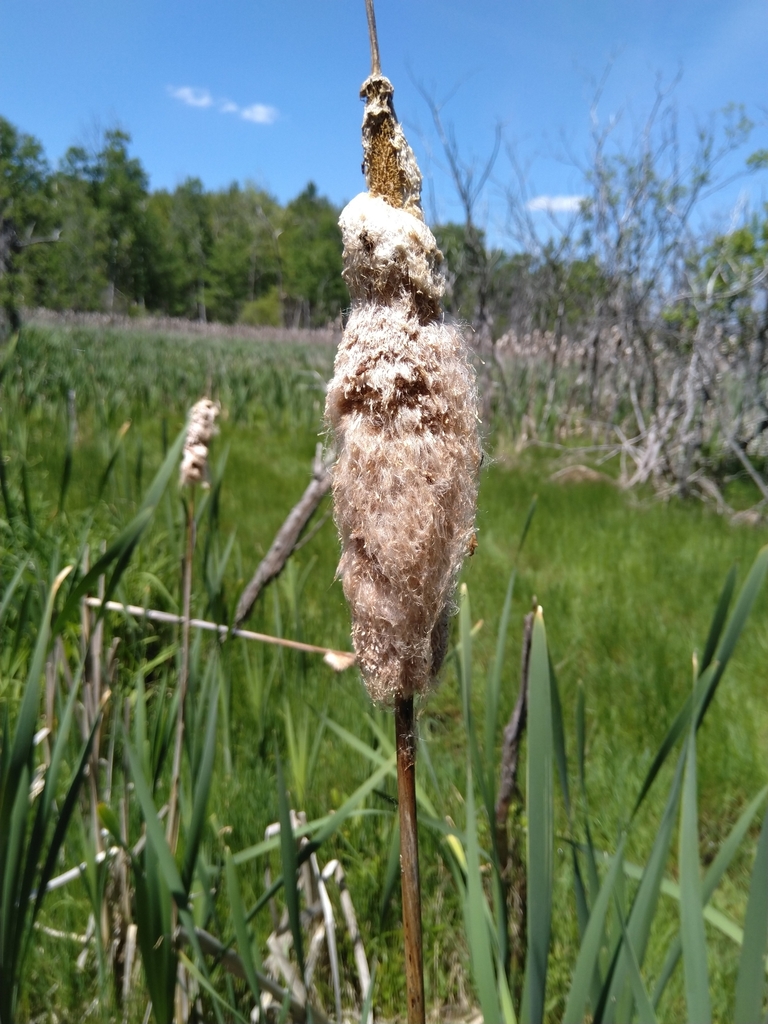 Typha latifolia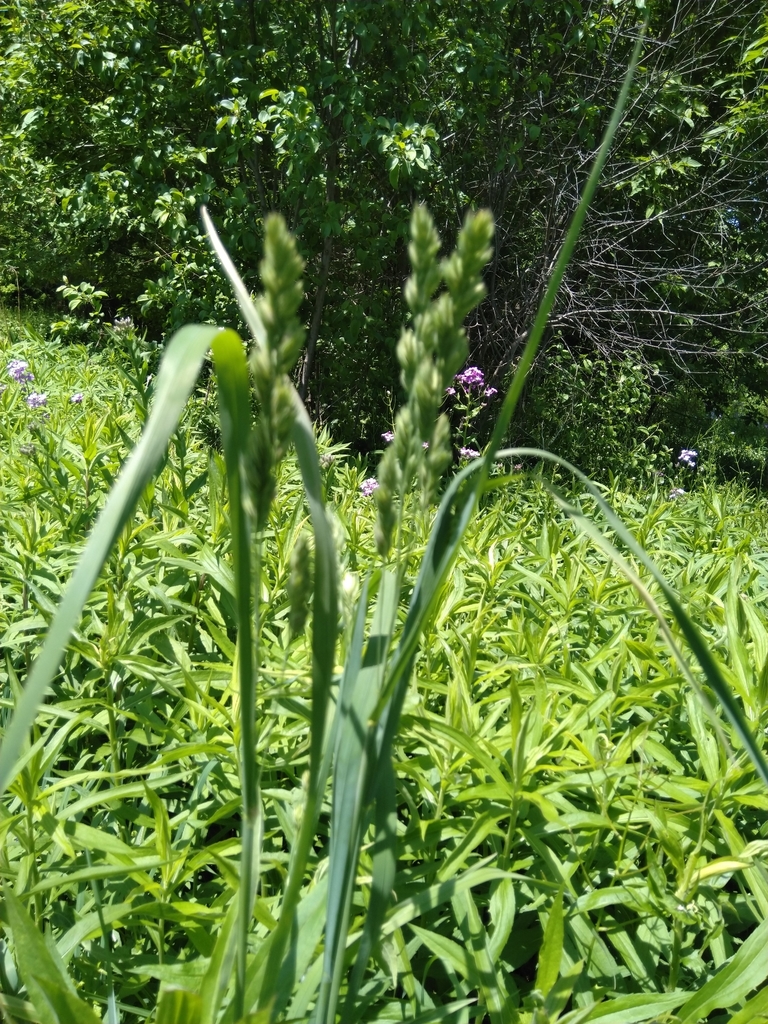 Dactylis glomerata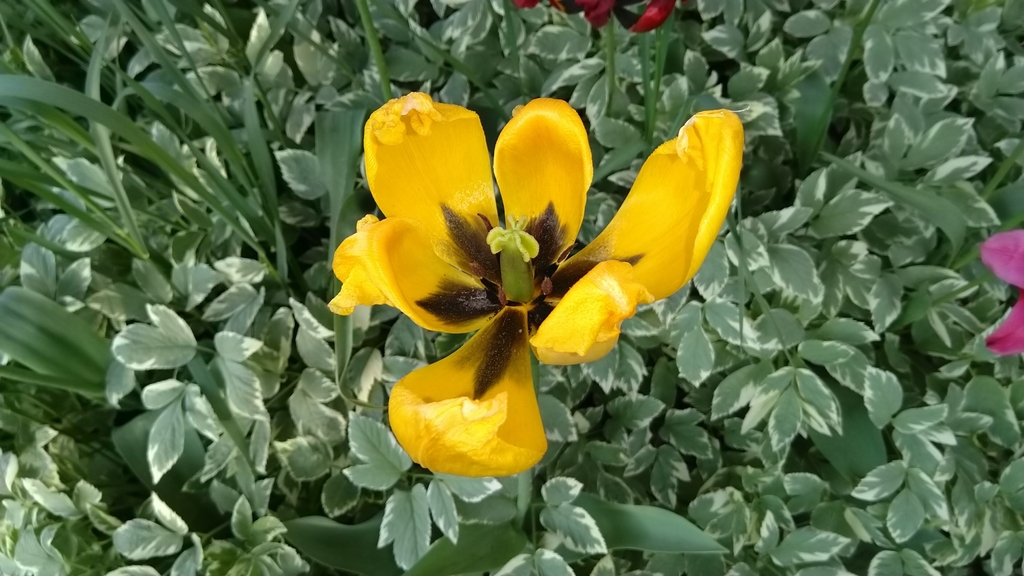 Tulipa gesneriana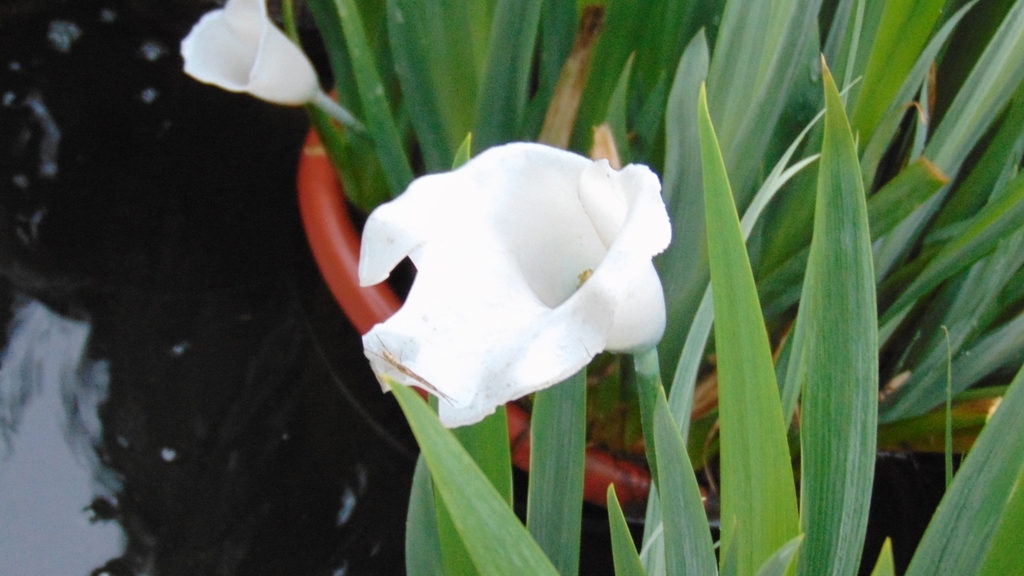 Zantedeschia aethiopica |
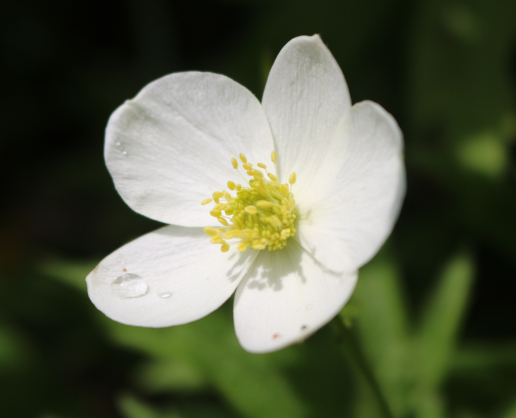
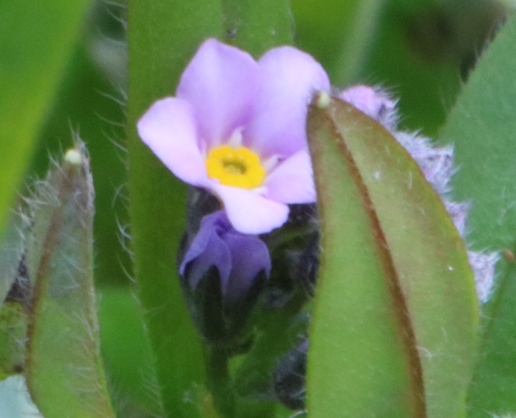
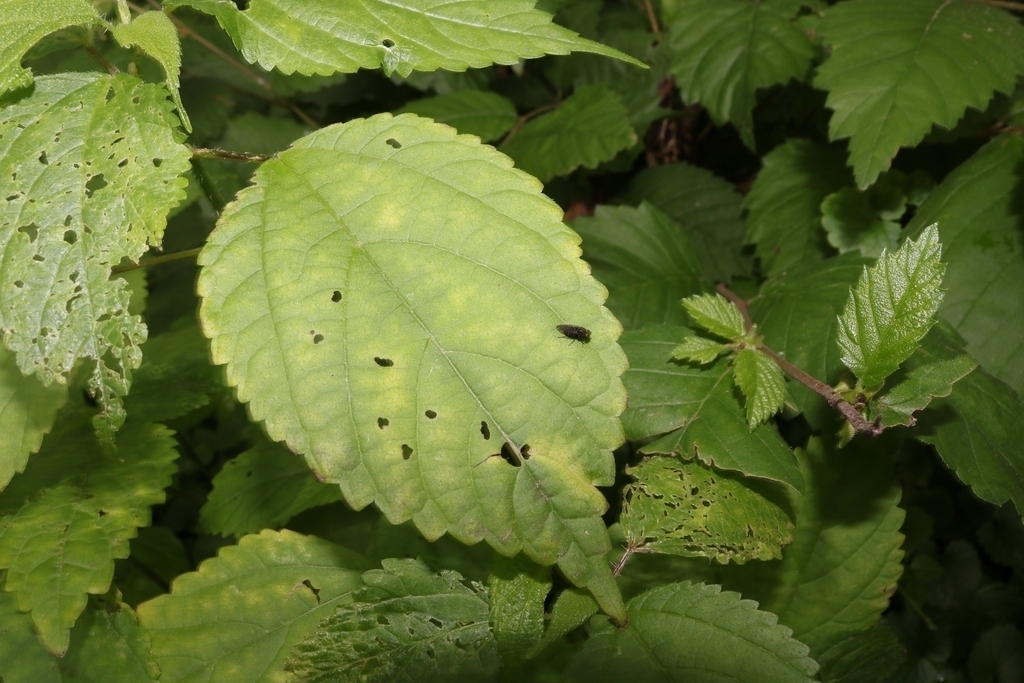
Boehmeria cylindrica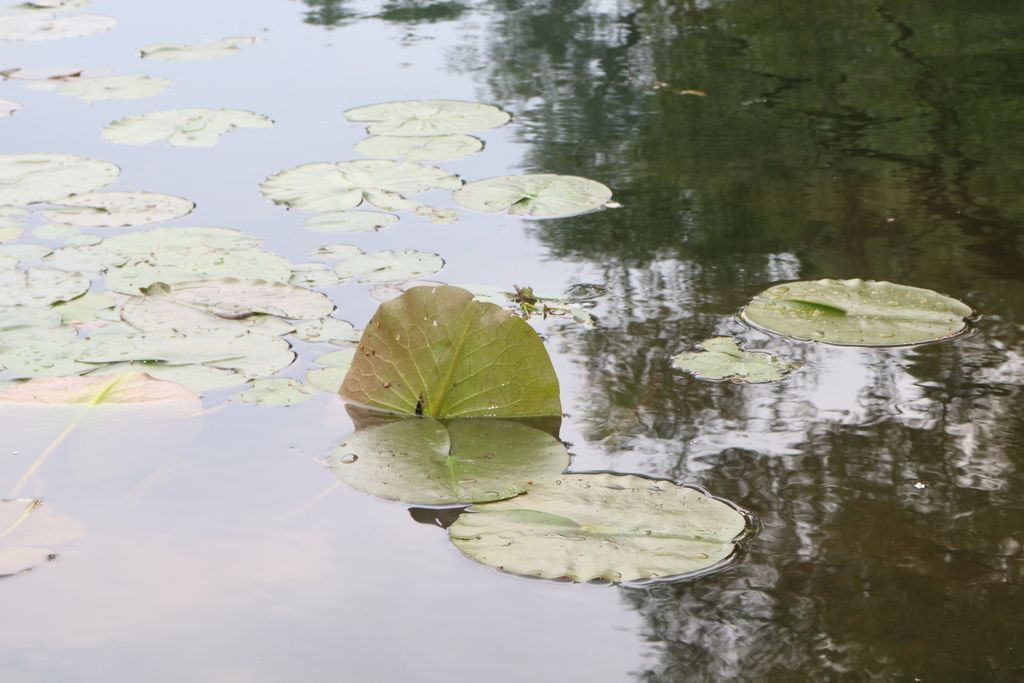 Nuphar spp.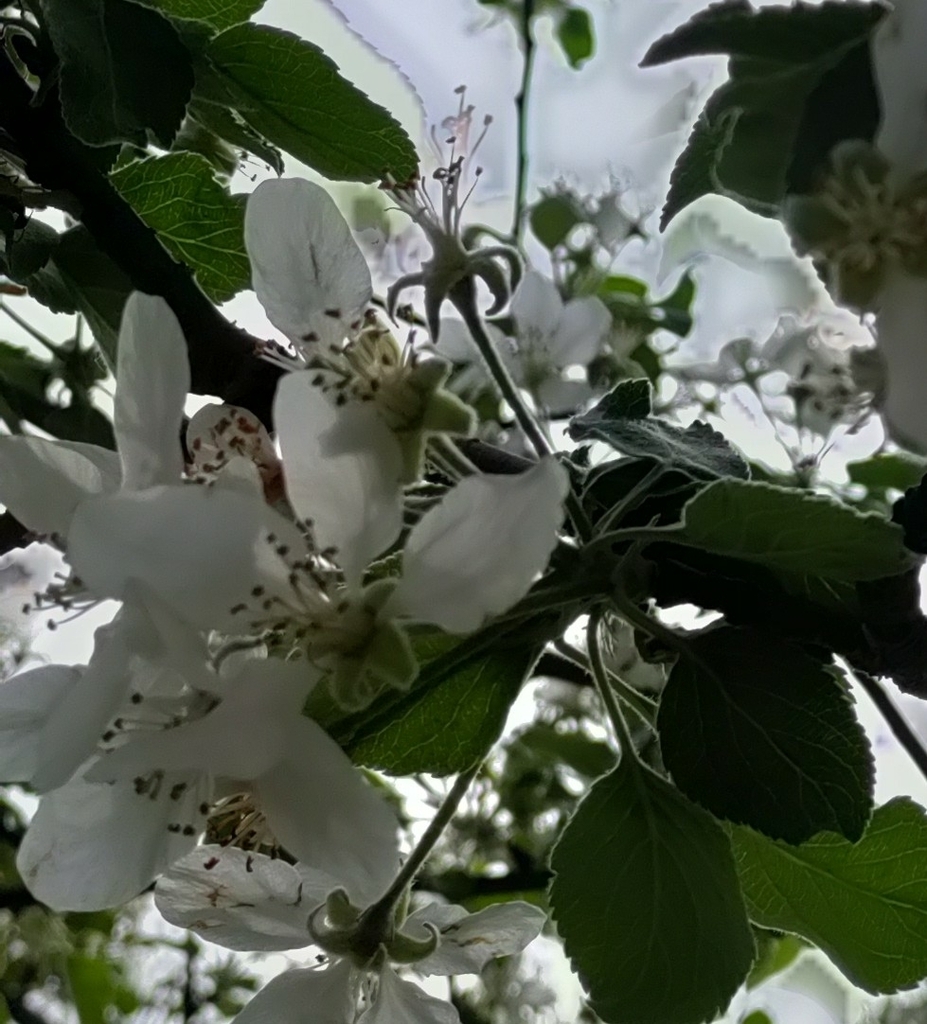 Malus coronaria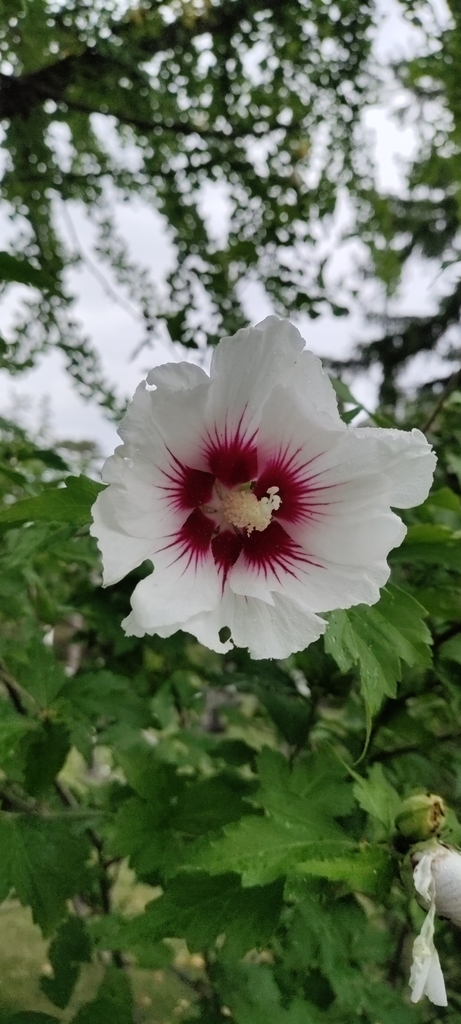 Hibiscus syriacus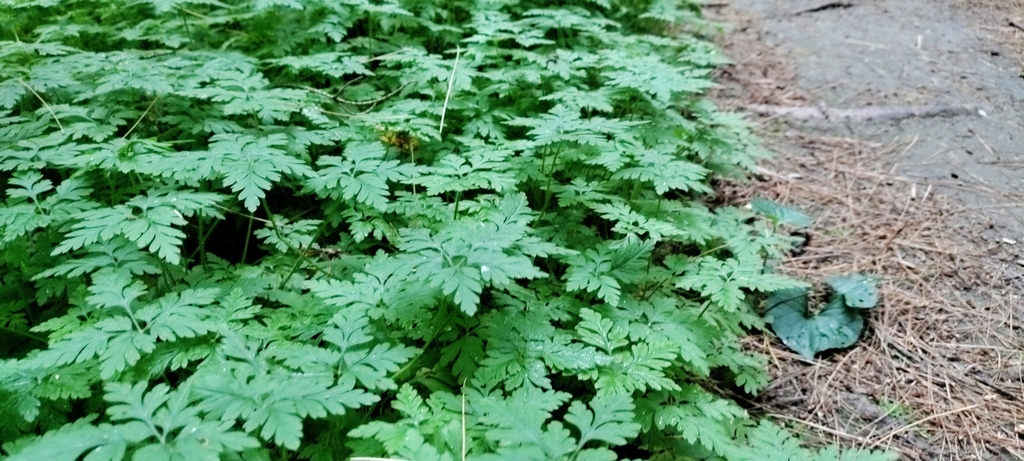 Geranium robertianum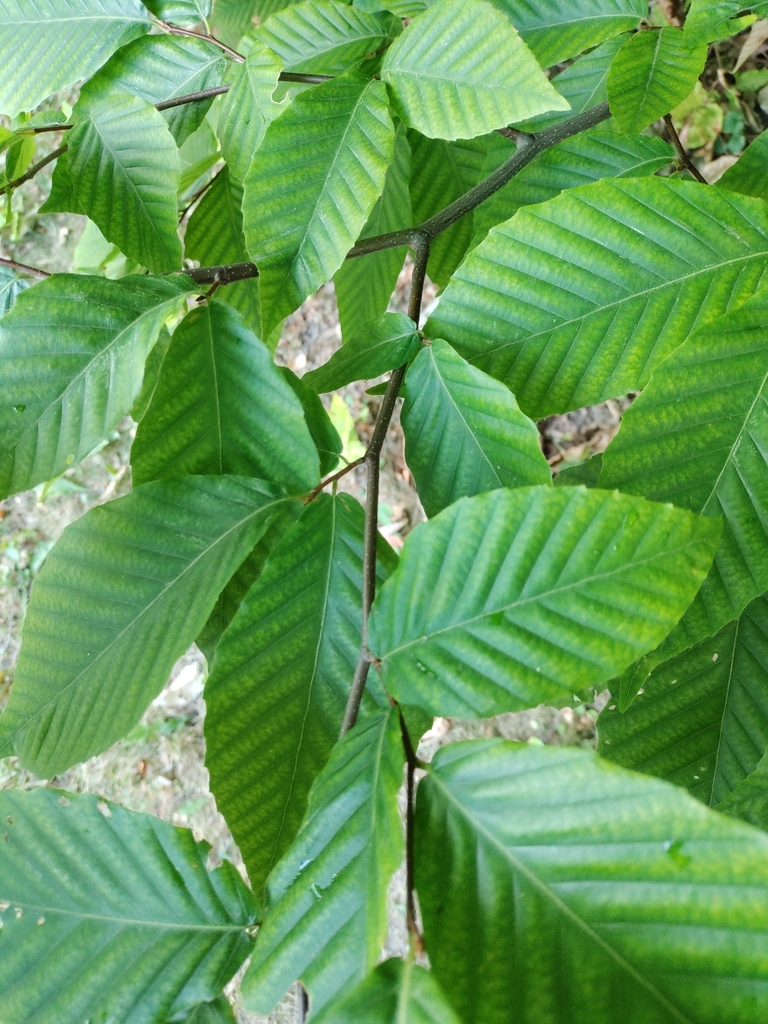 Fagus grandifolia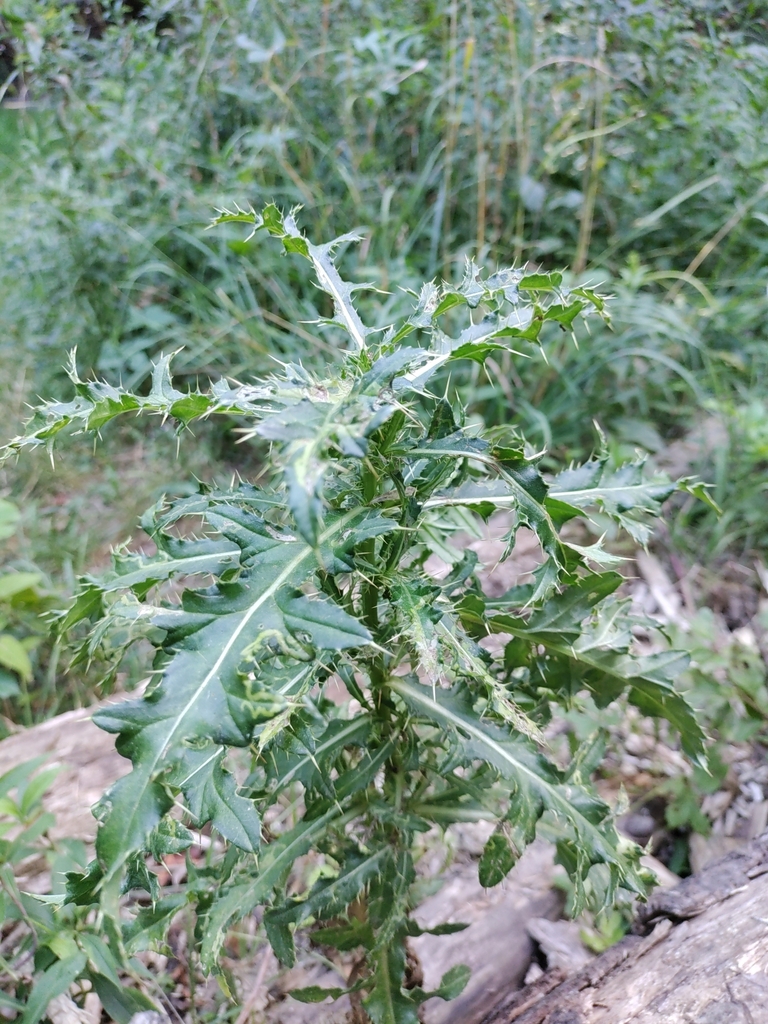 Cirsium arvense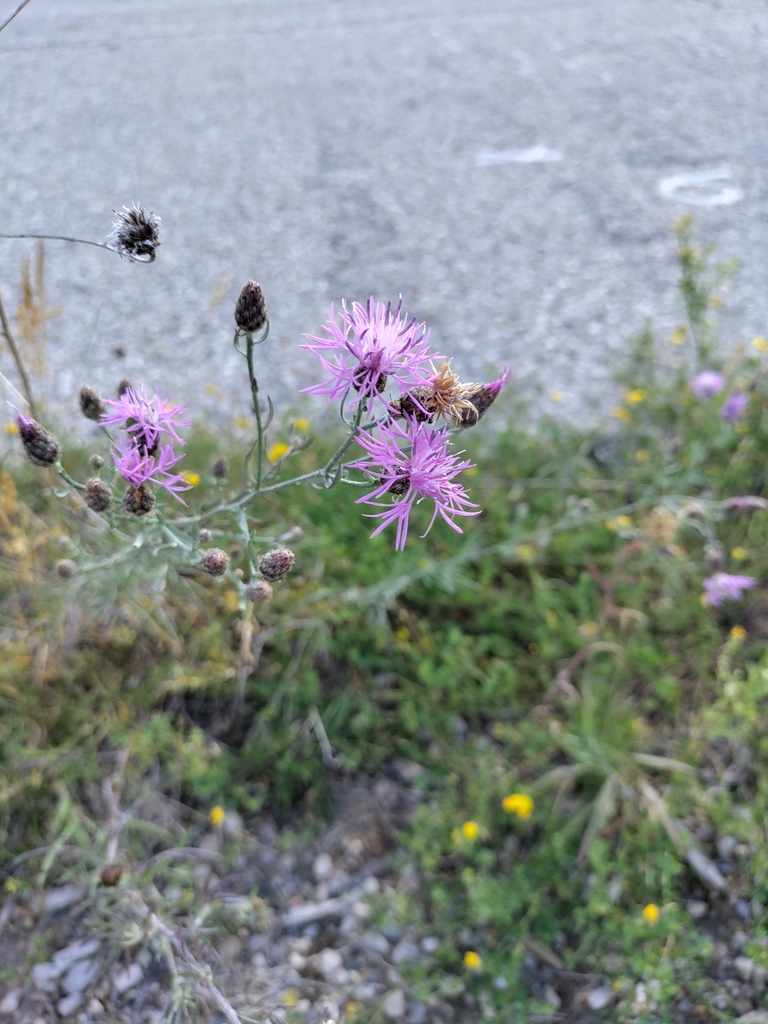 Centaurea stoebe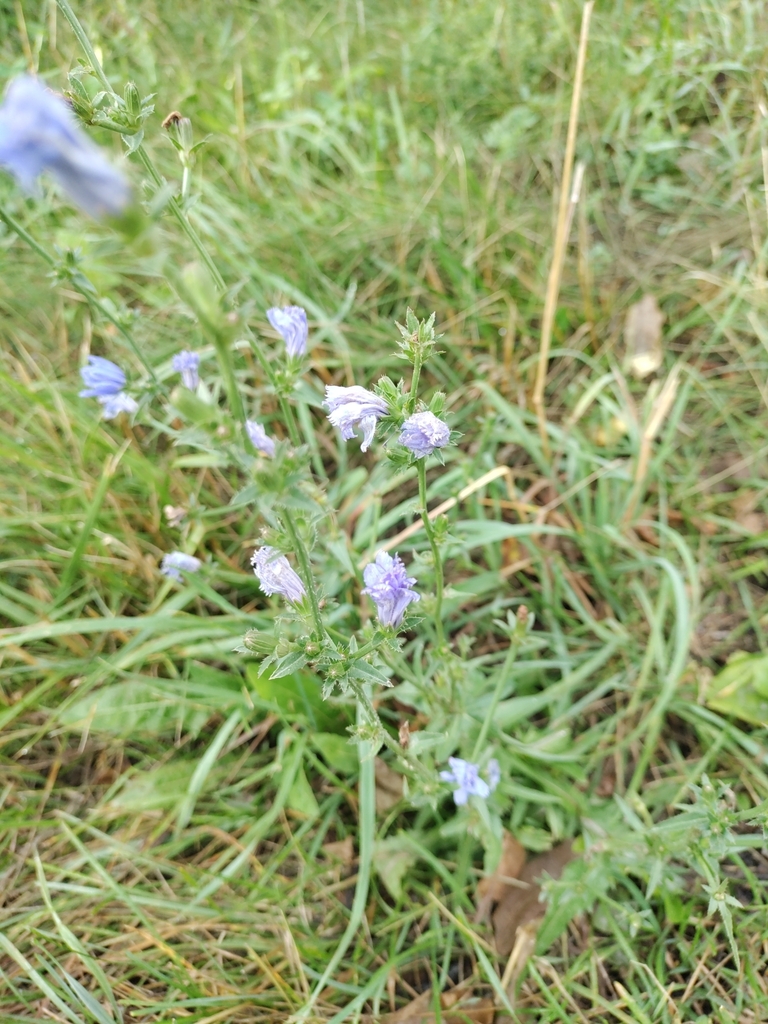 Cichorium intybus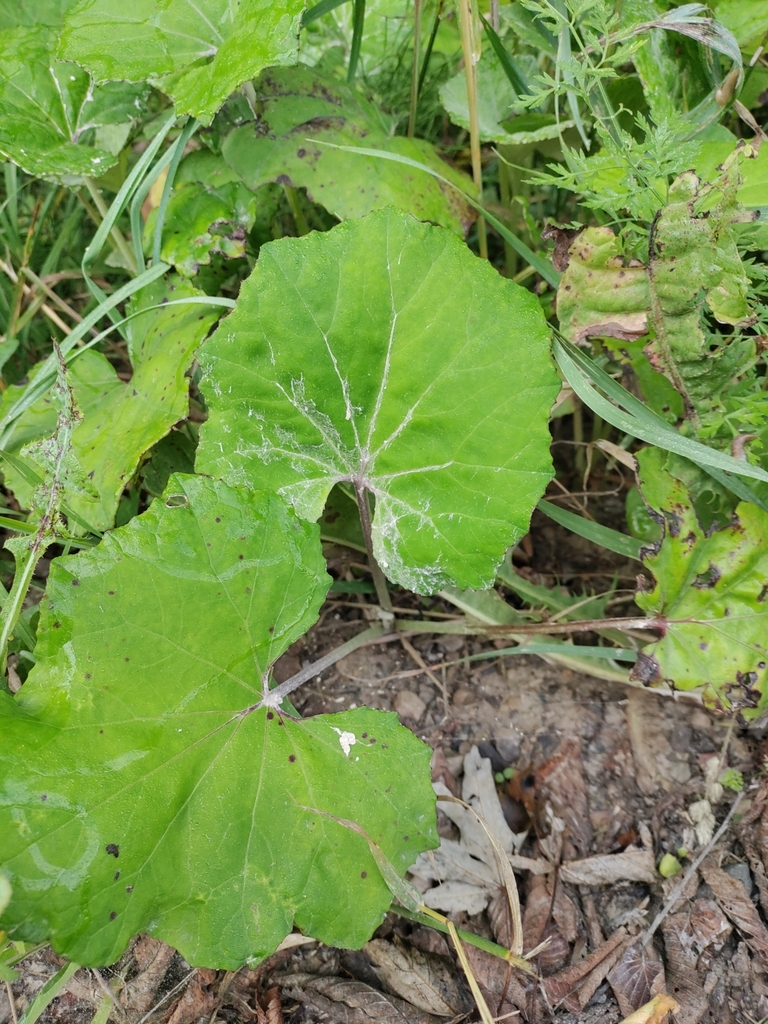 Tussilago farfara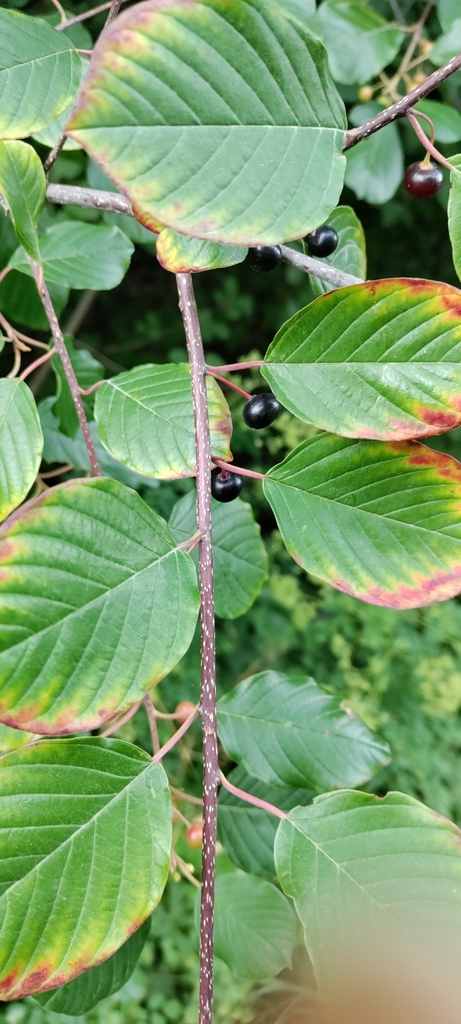 Frangula alnus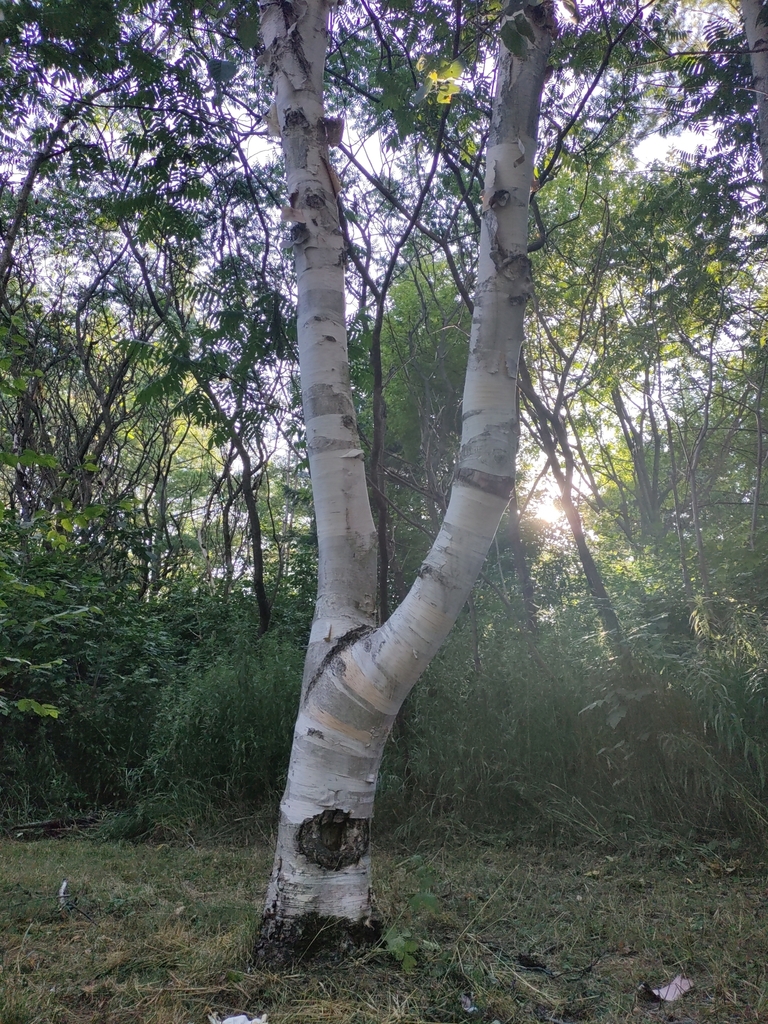 Betula papyrifera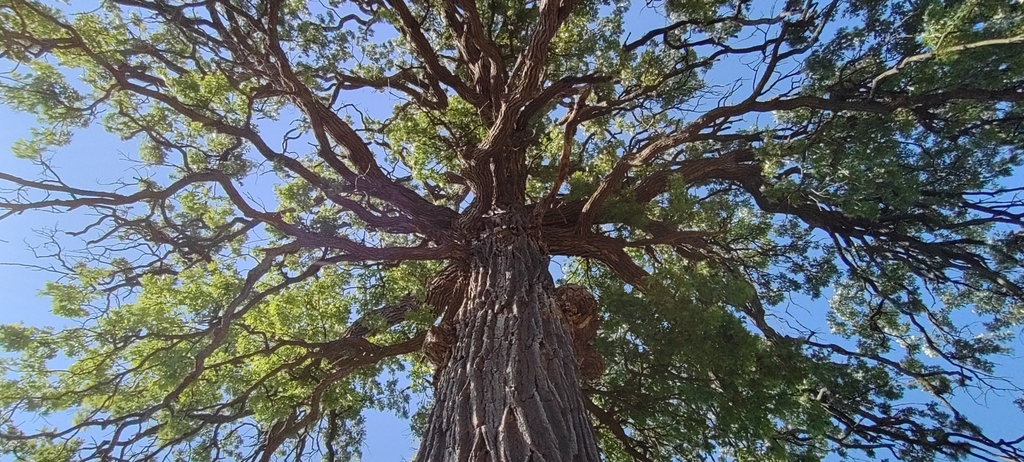 Populus deltoides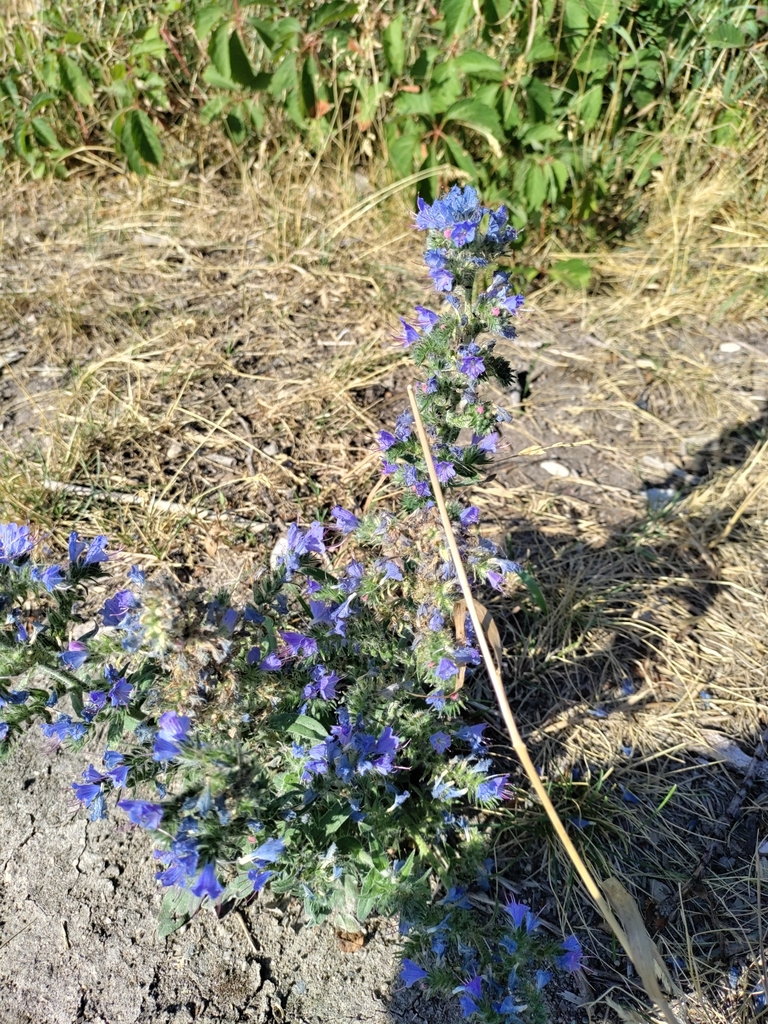 Echium vulgare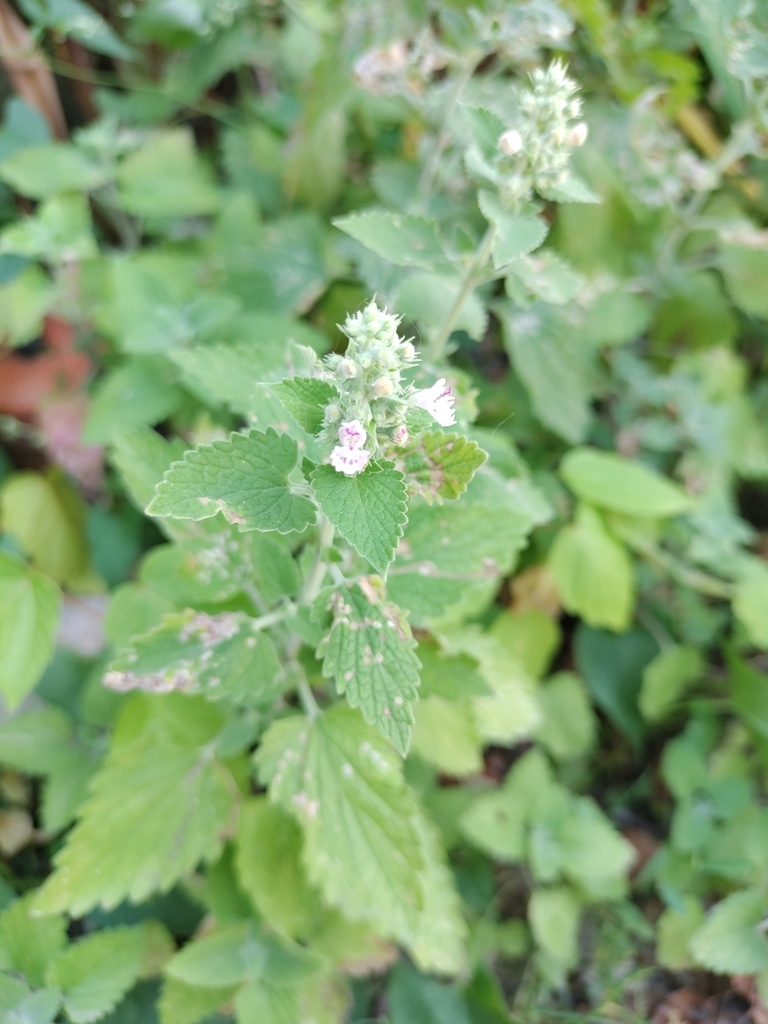 Nepeta cataria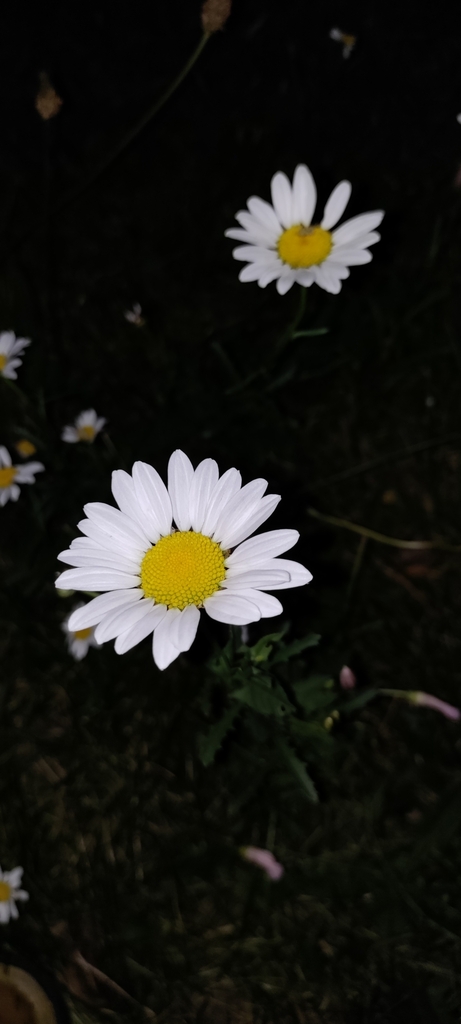 Anthemideae spp.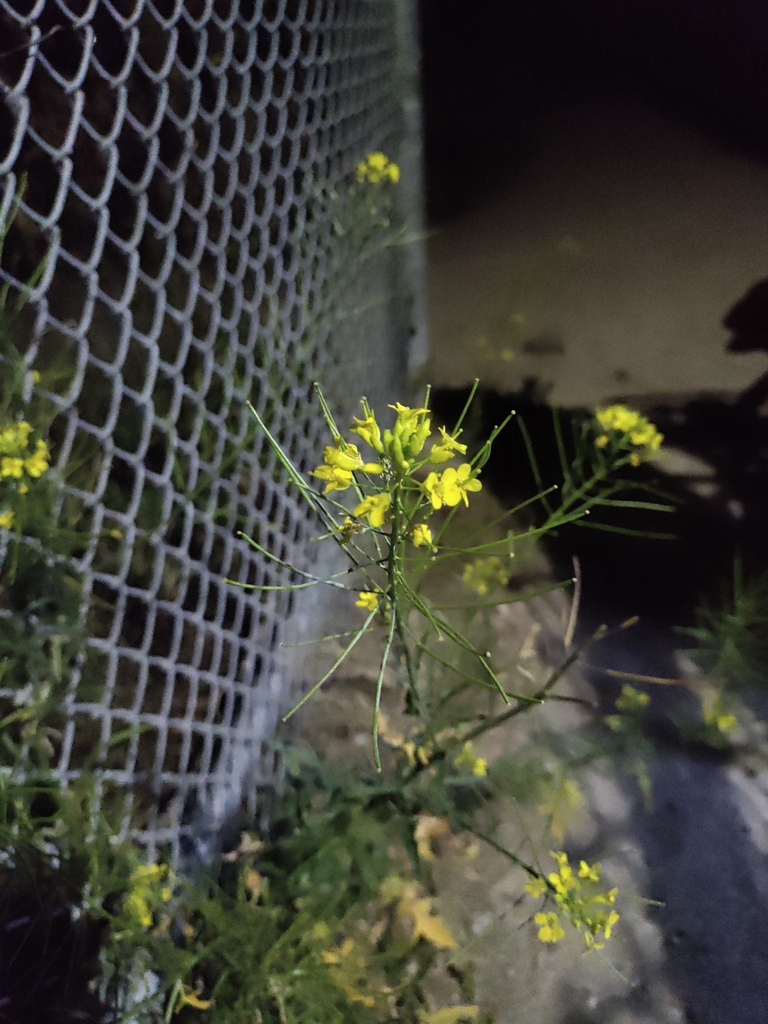 Sisymbrium loeselii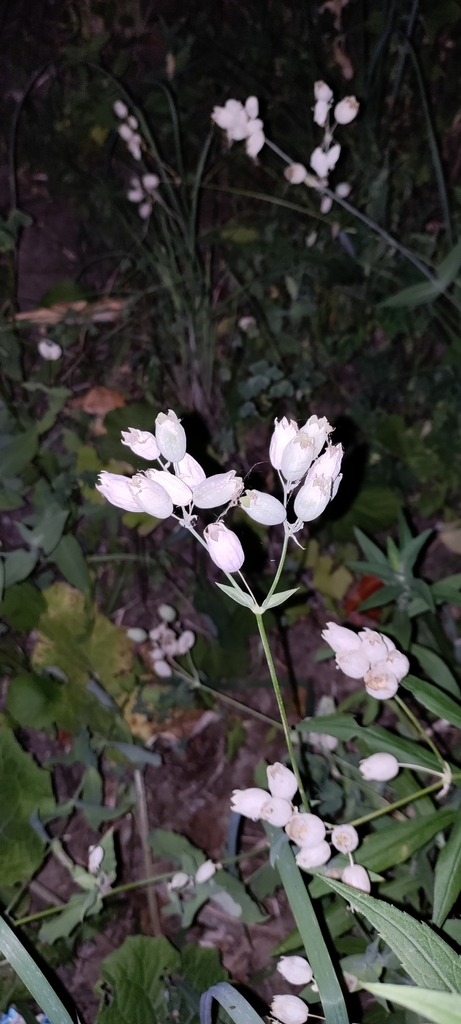 Silene vulgaris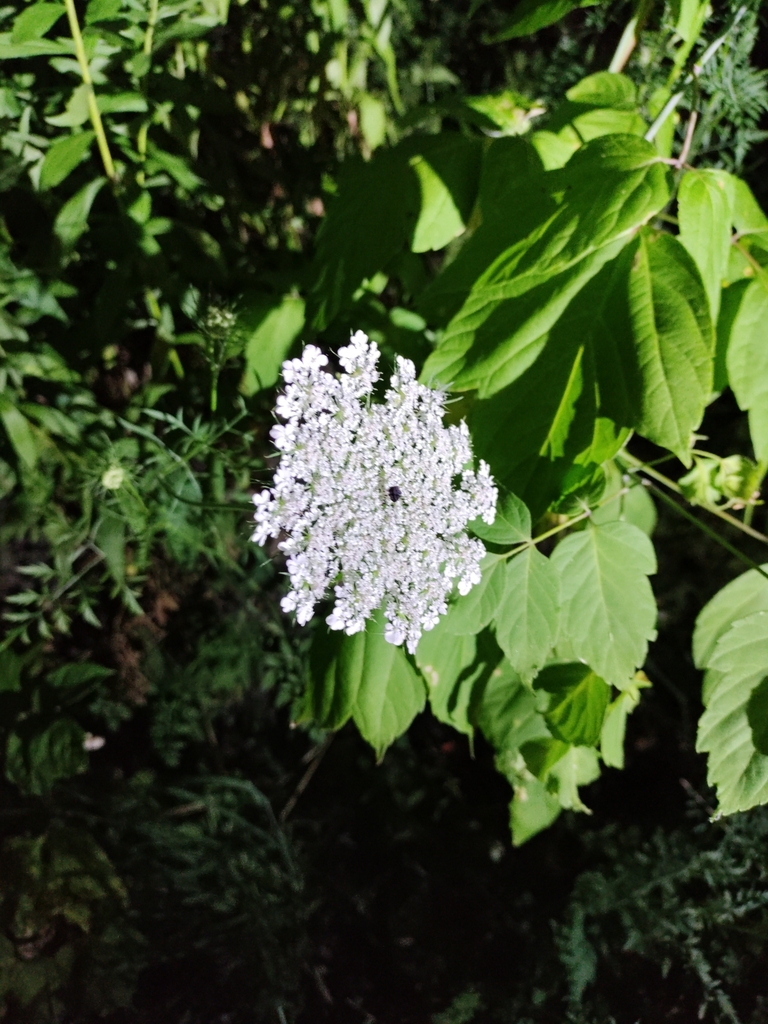 Daucus carota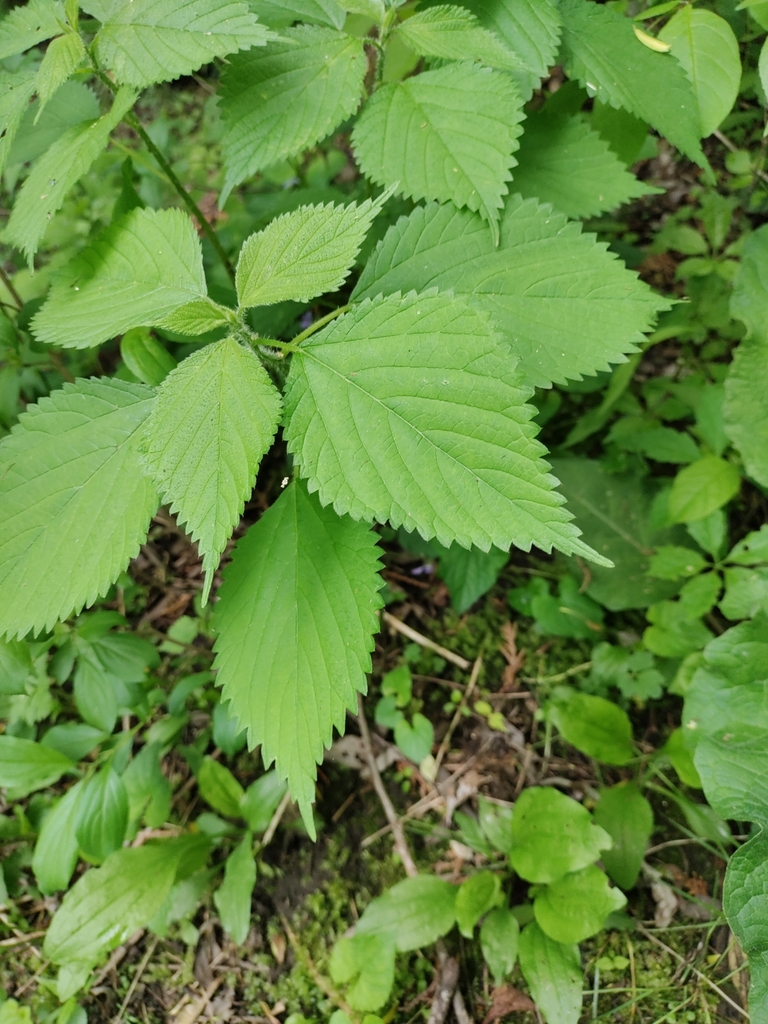 Laportea canadensis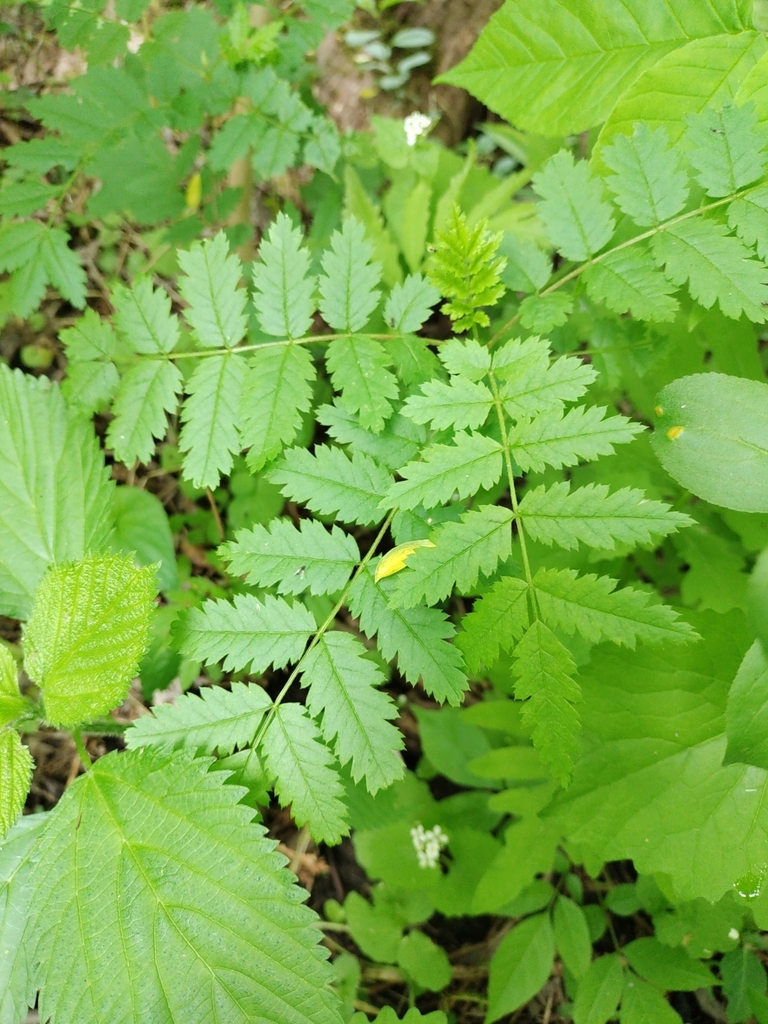 Sorbus aucuparia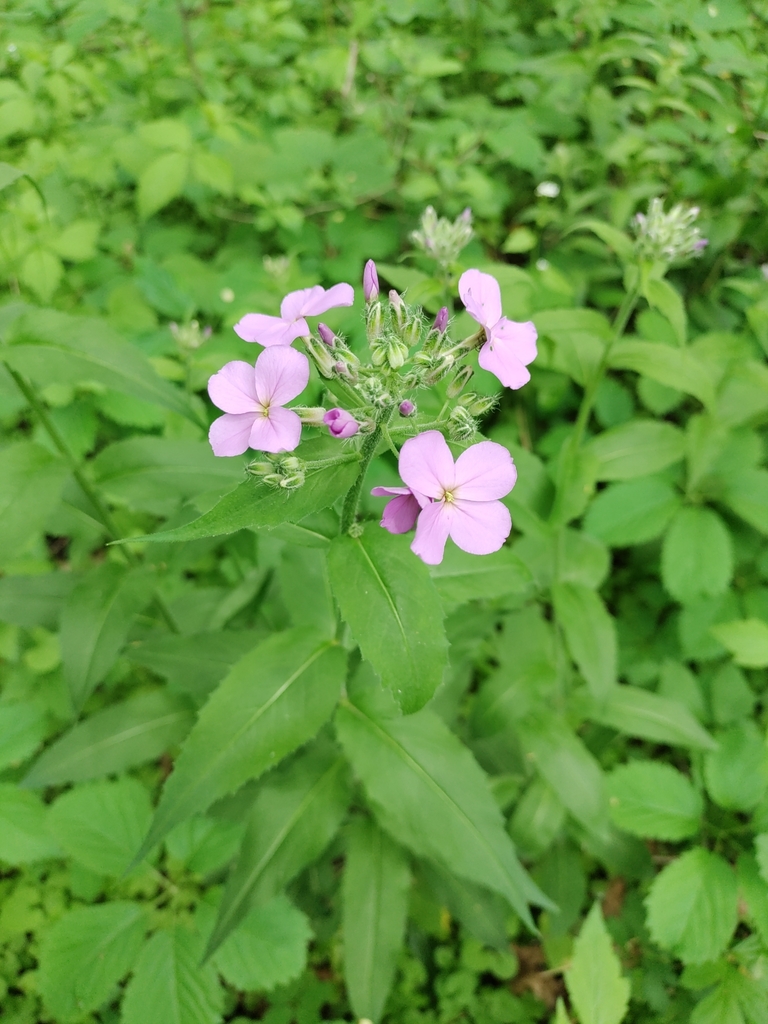 Hesperis matronalis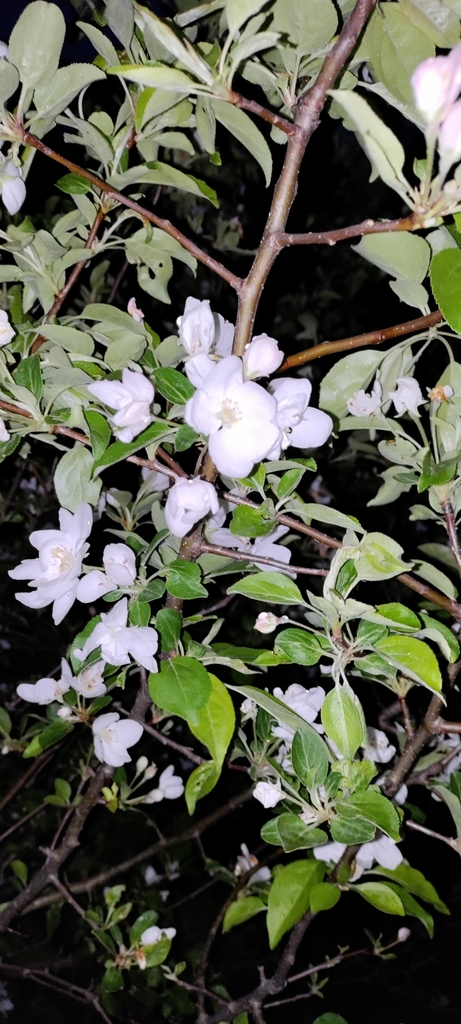 Malus domestica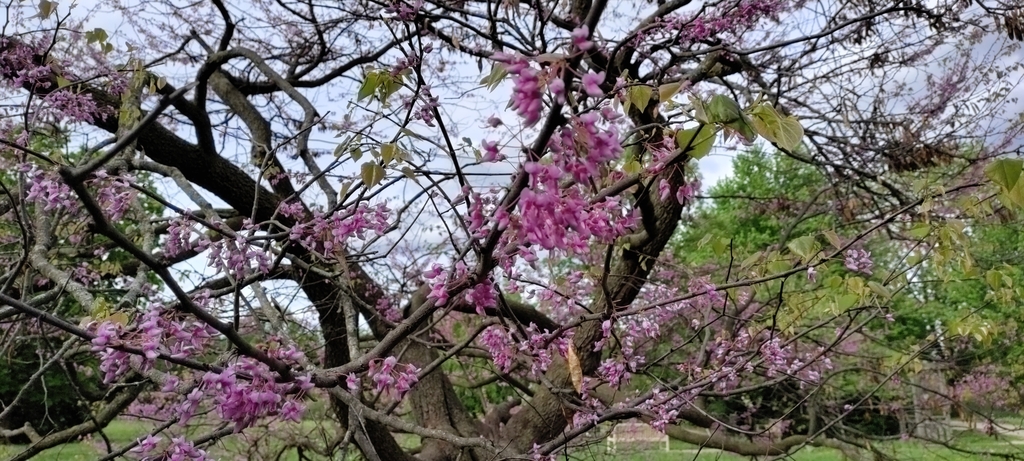 Cercis canadensis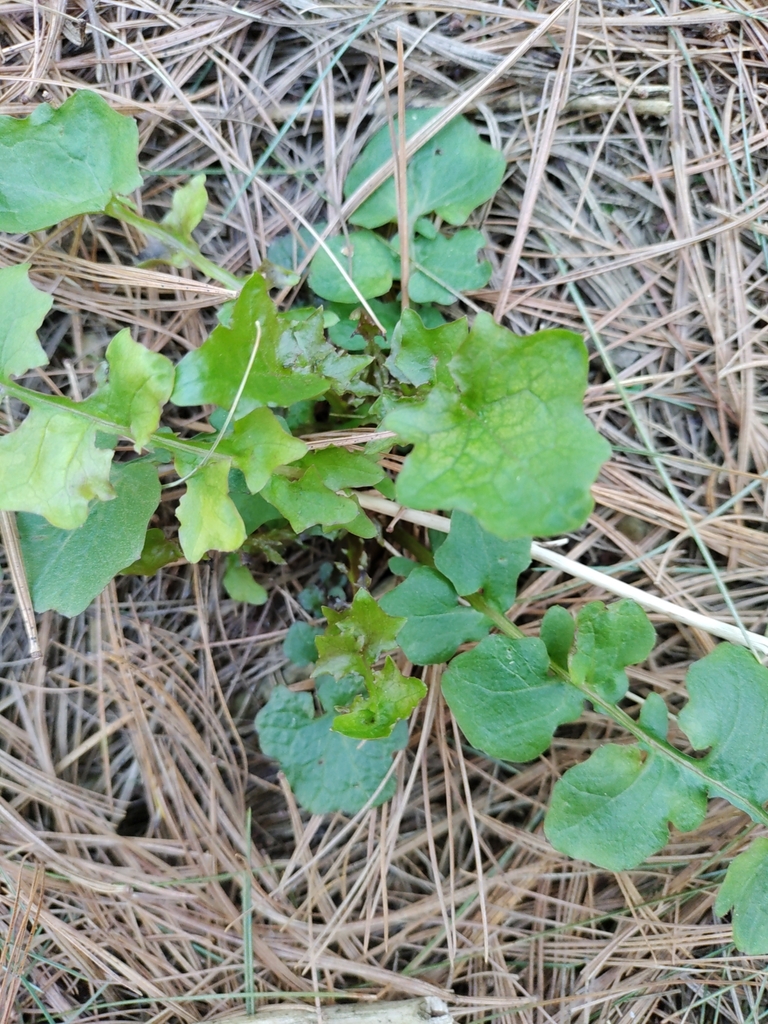 Mycelis muralis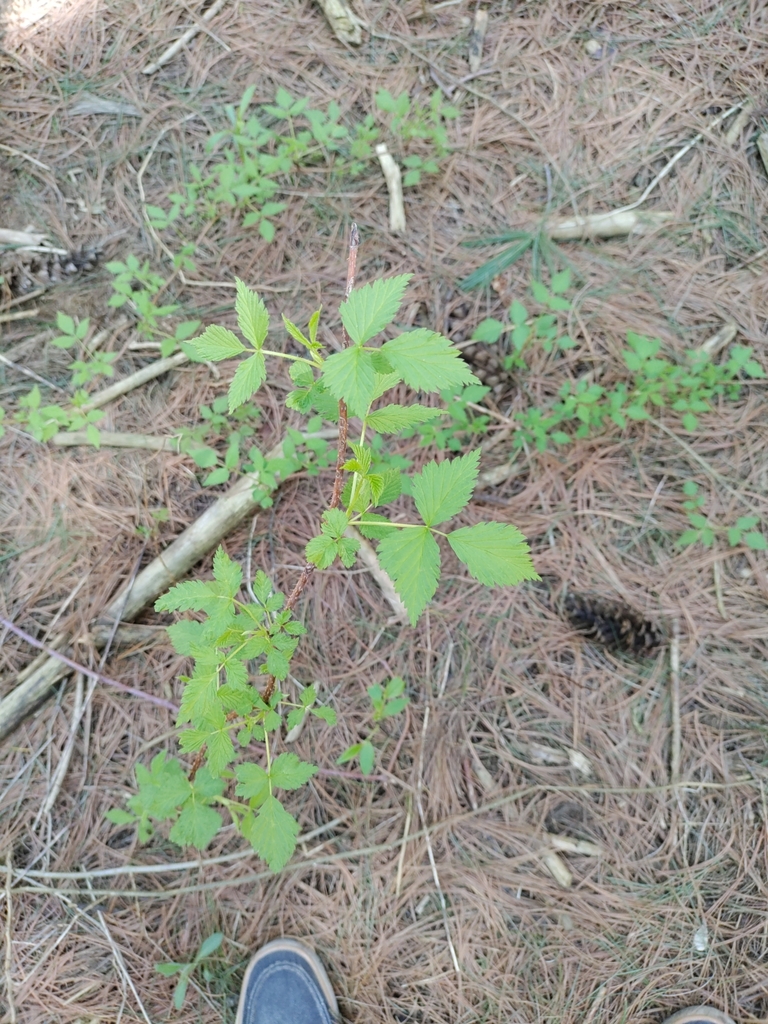 Rubus pubescens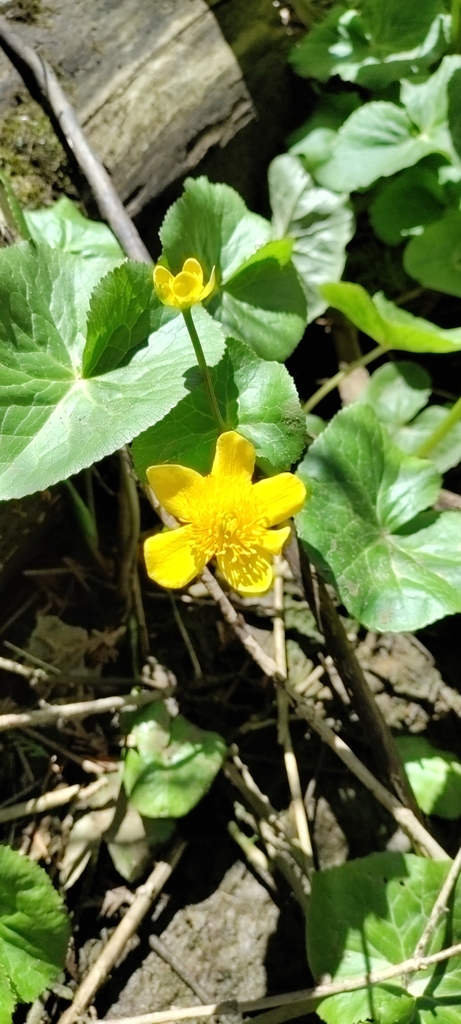 Caltha palustris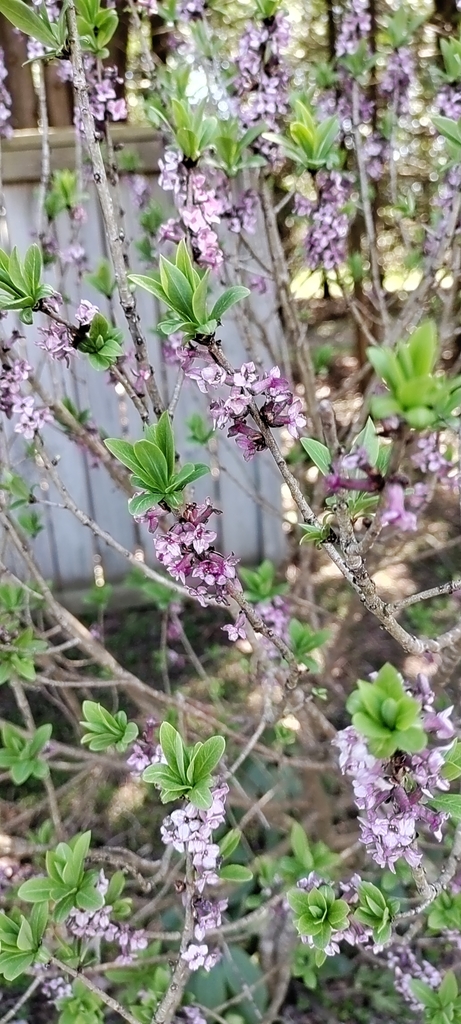 Daphne mezereum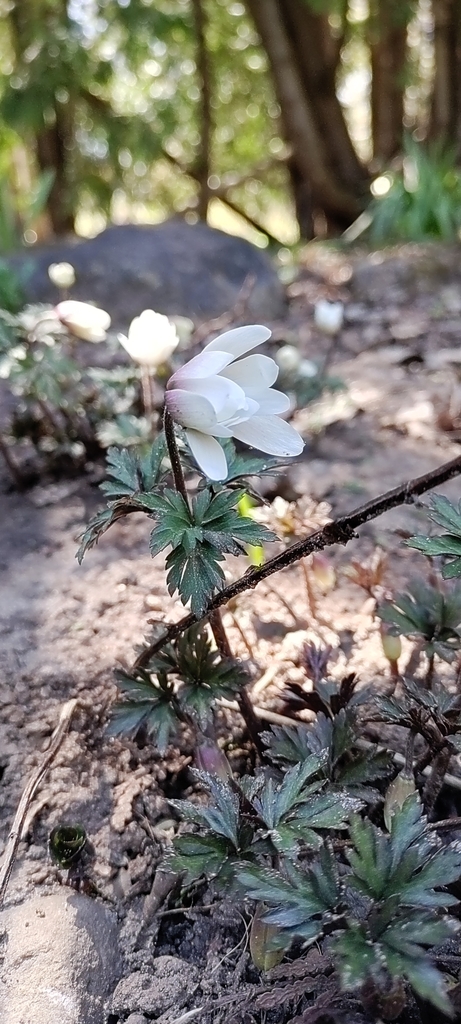 Anemonoides blanda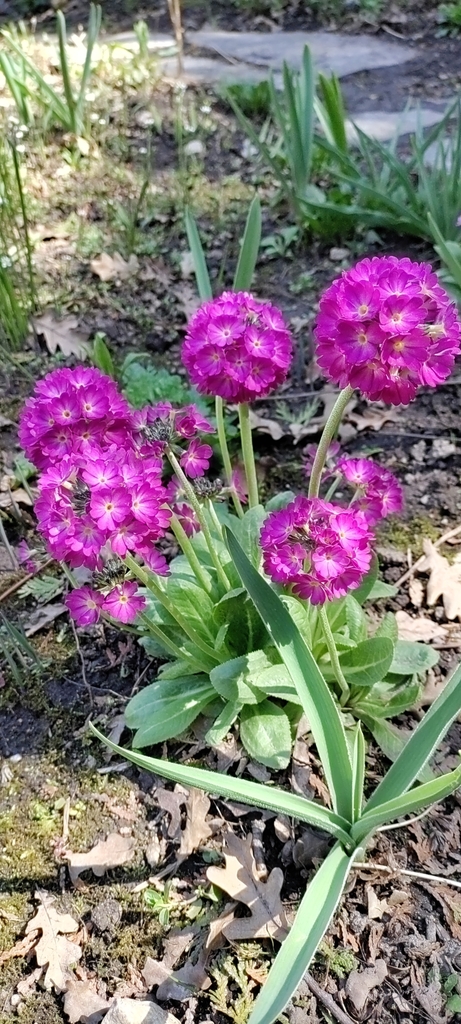 Primulaceae spp.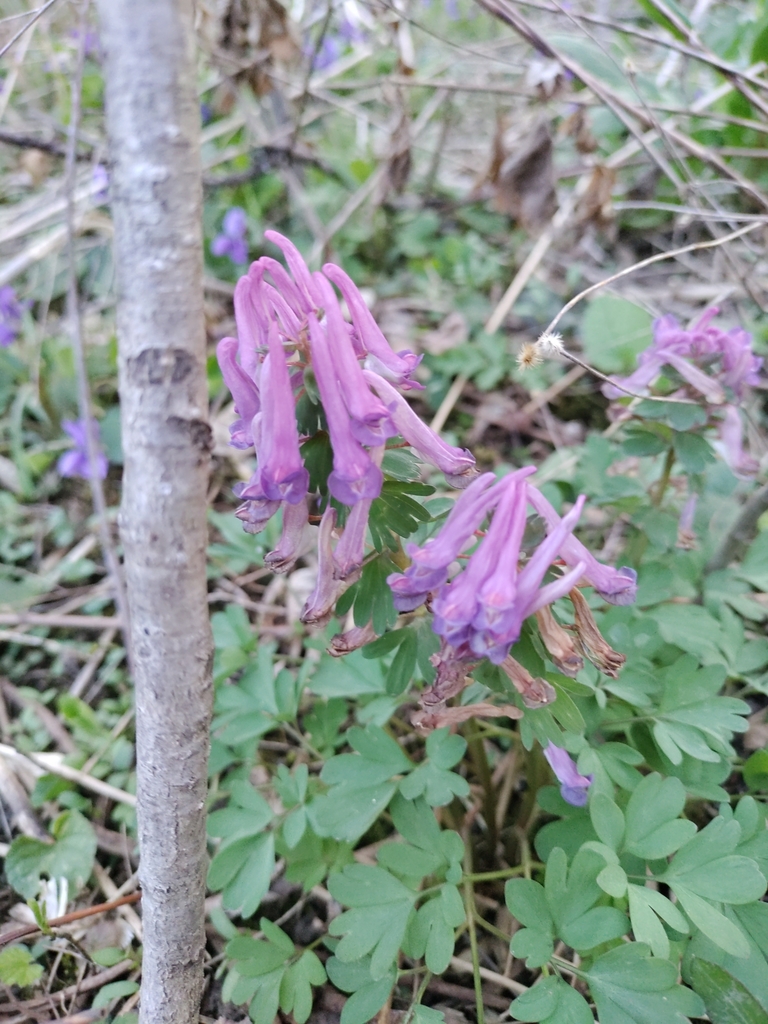 Corydalis solida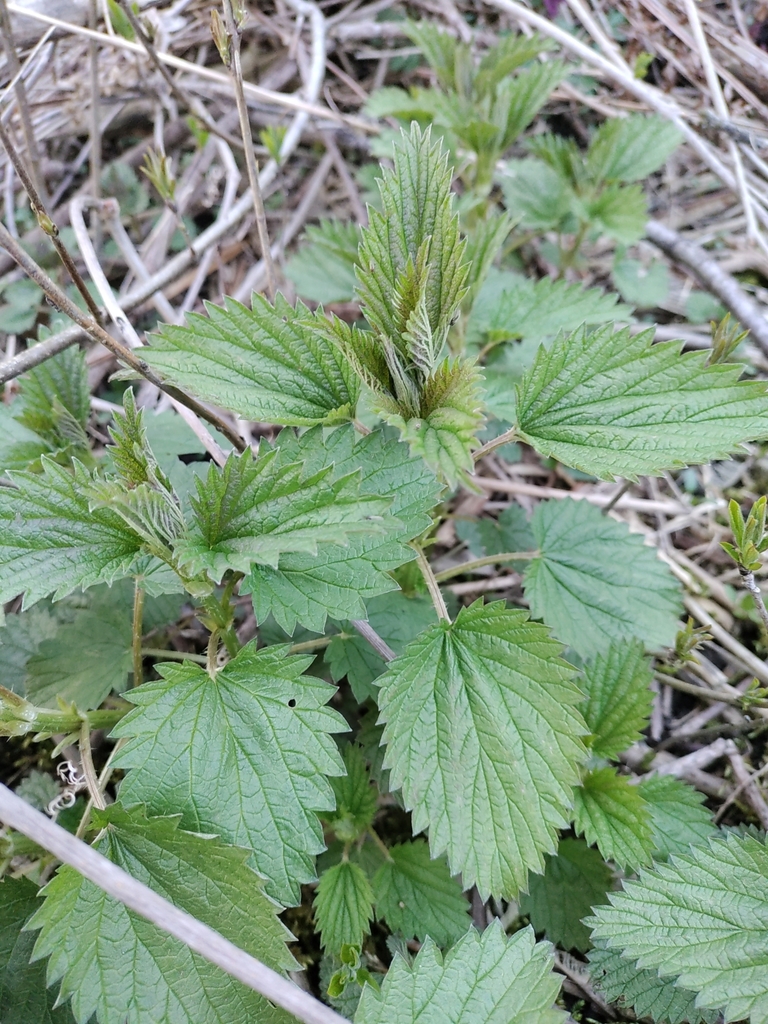 Urtica dioica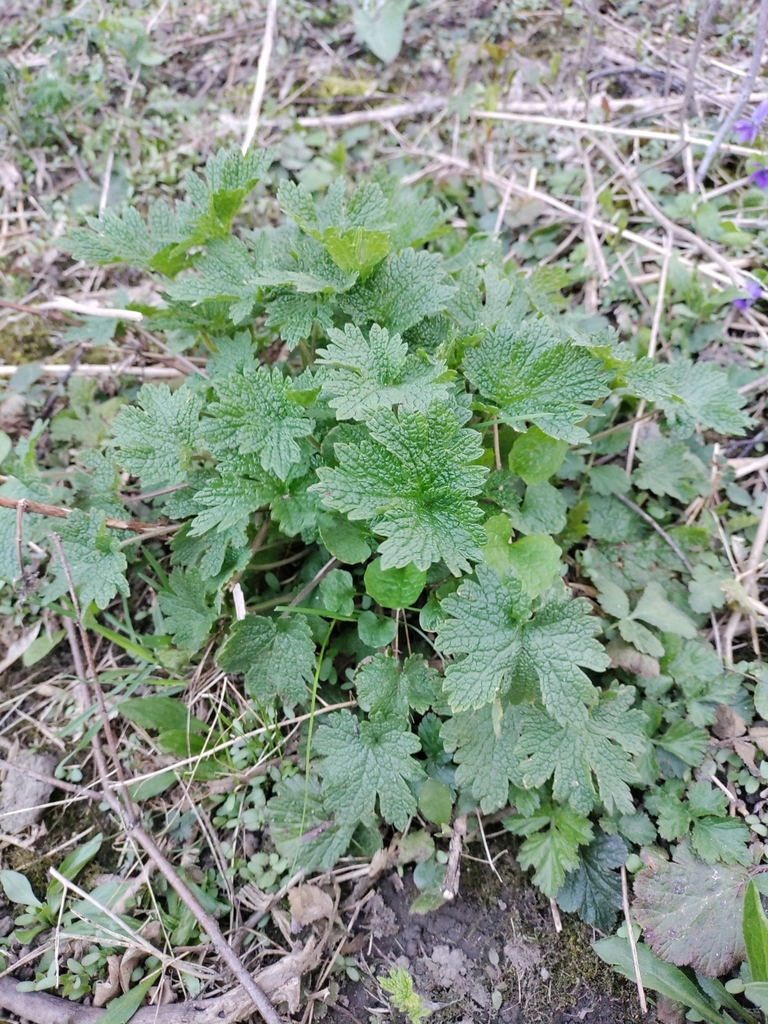 Leonurus cardiaca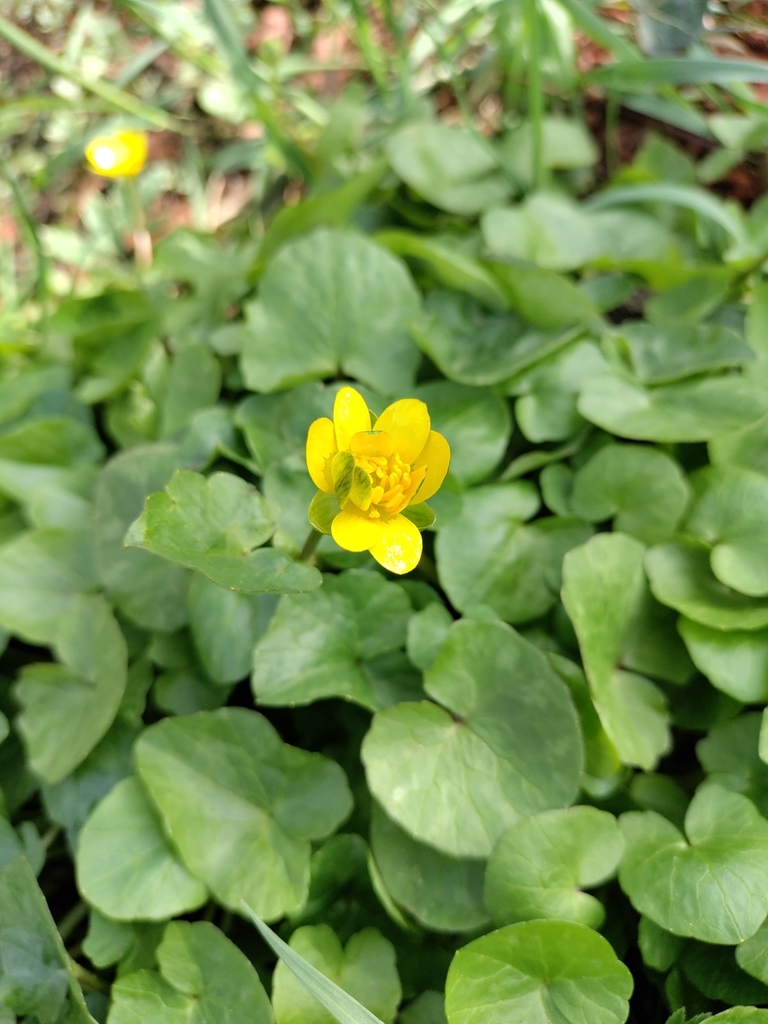 Ficaria verna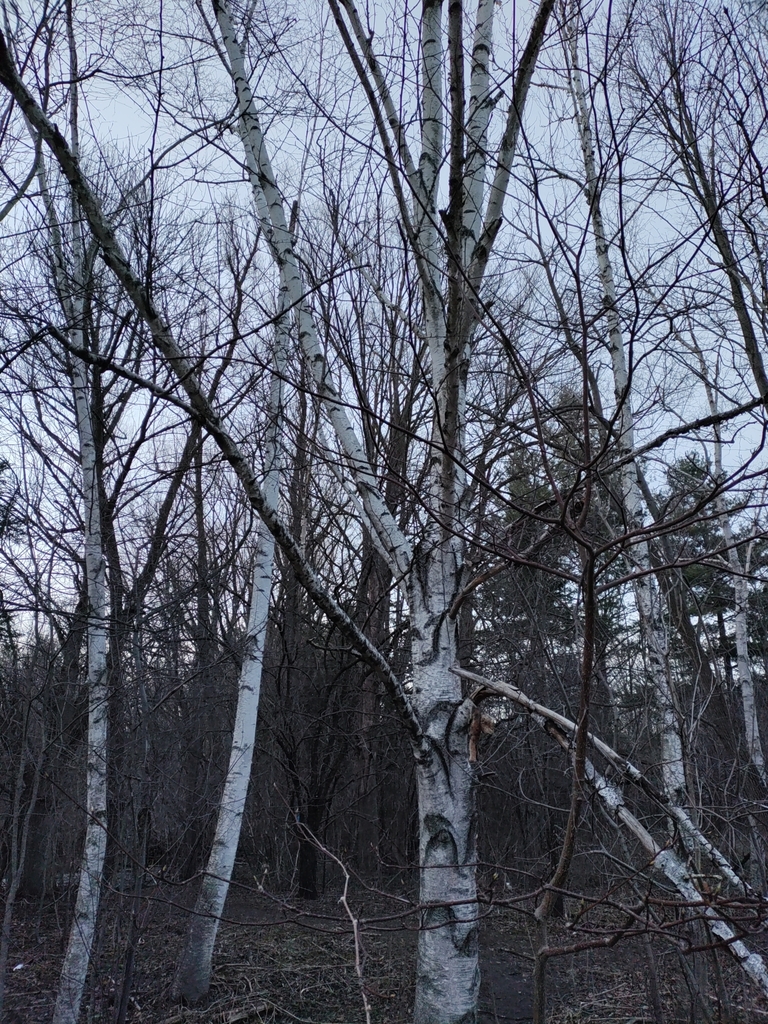 Betula populifolia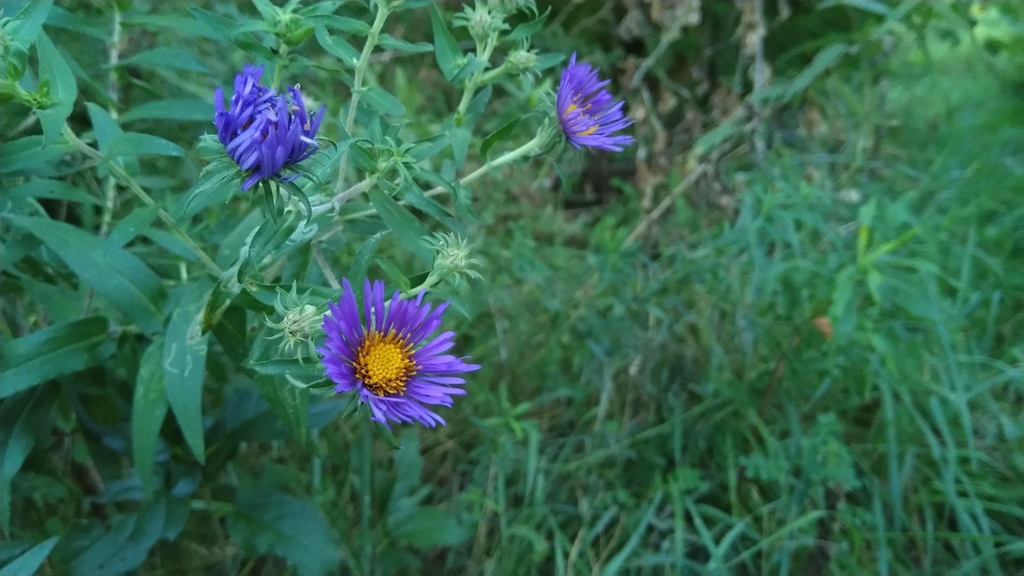 Symphyotrichum novae-angliae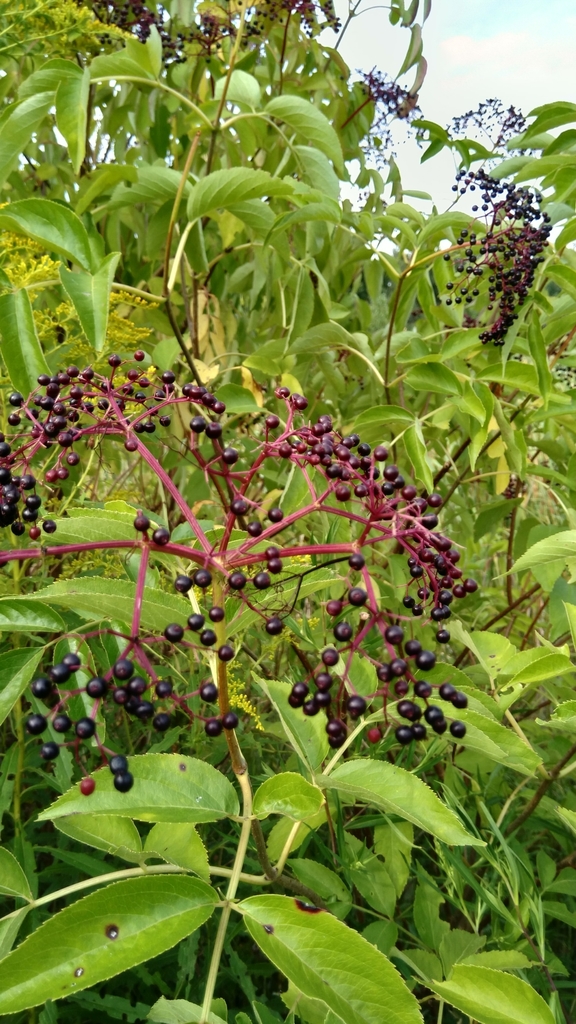 Sambucus canadensis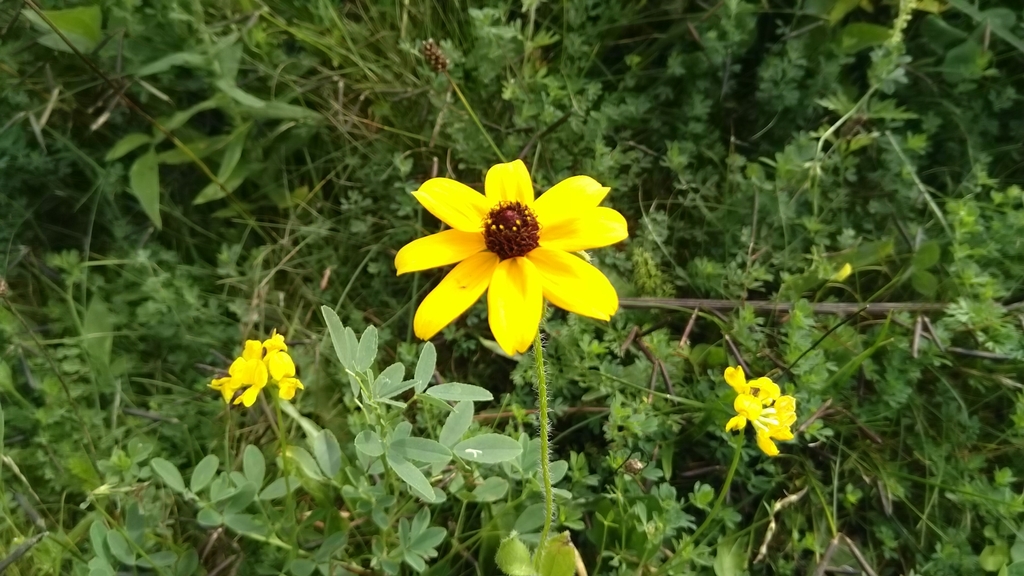 Rudbeckia triloba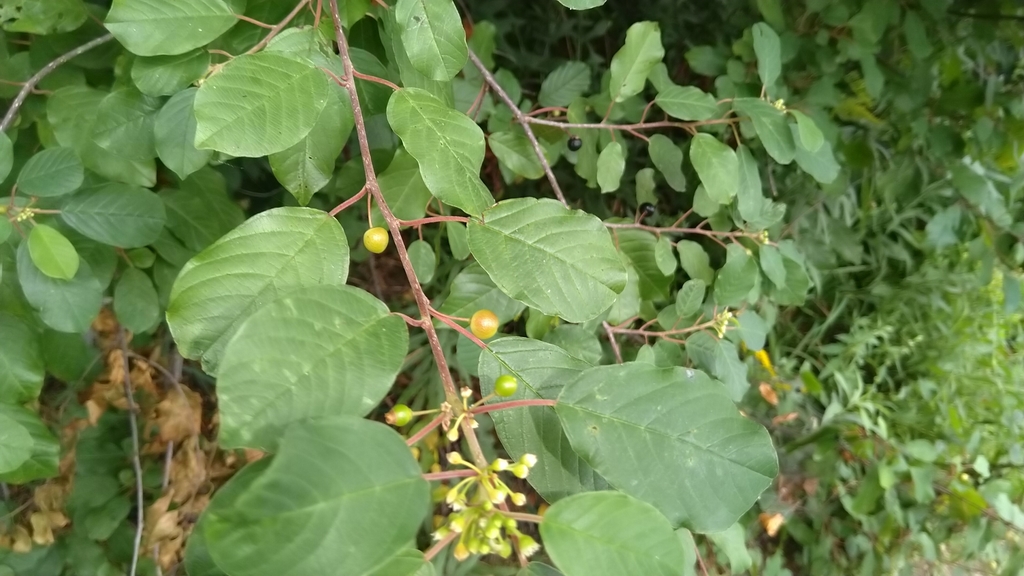 Frangula alnus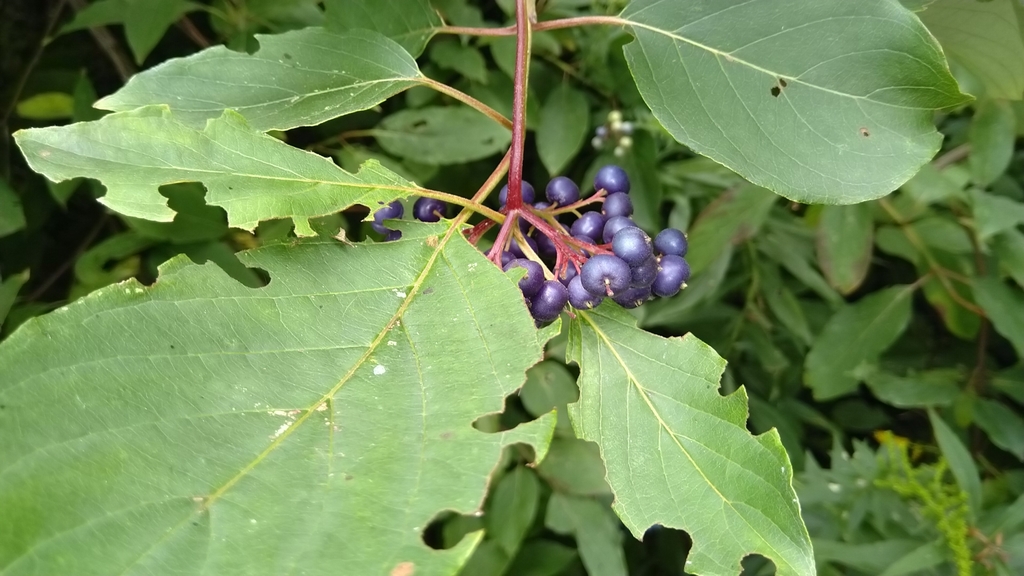 Ampelopsis glandulosa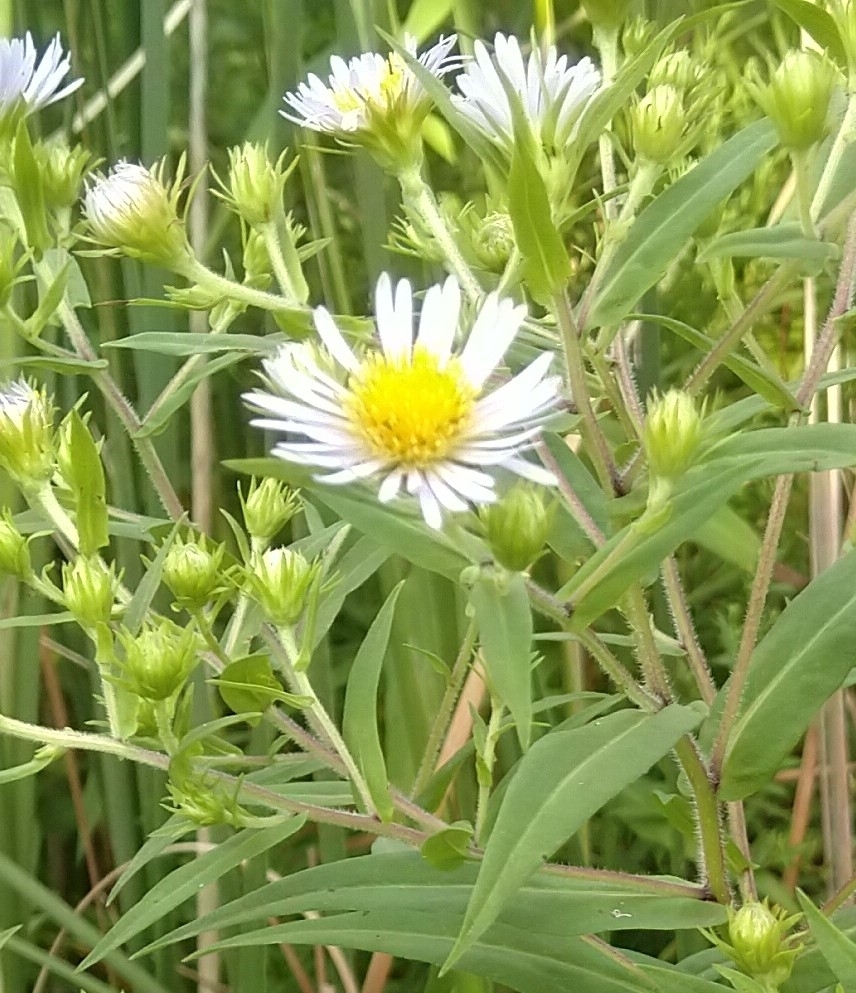 Symphyotrichum firmum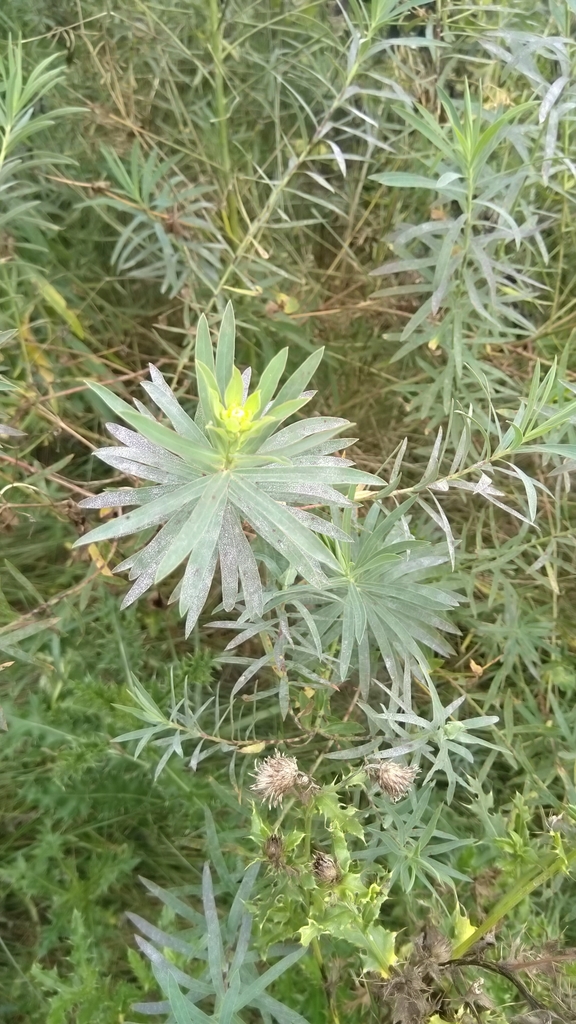 Euphorbia virgata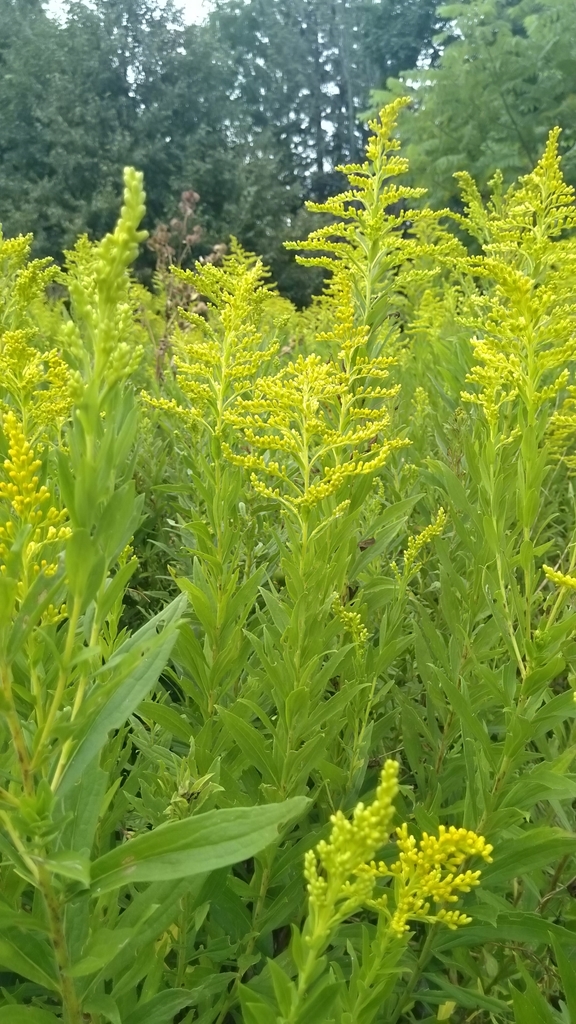 Solidago altissima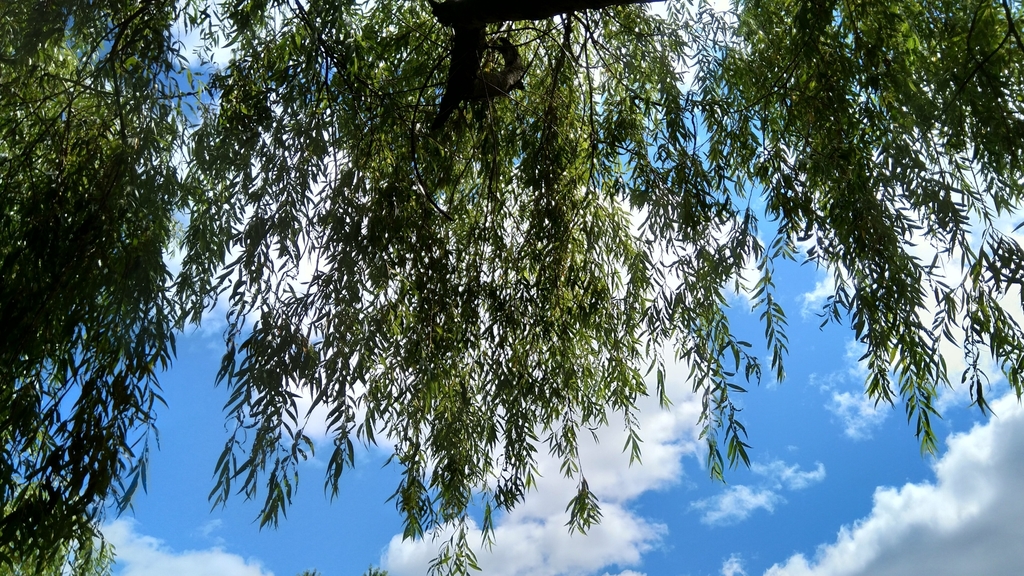 Salix × pendulina tristis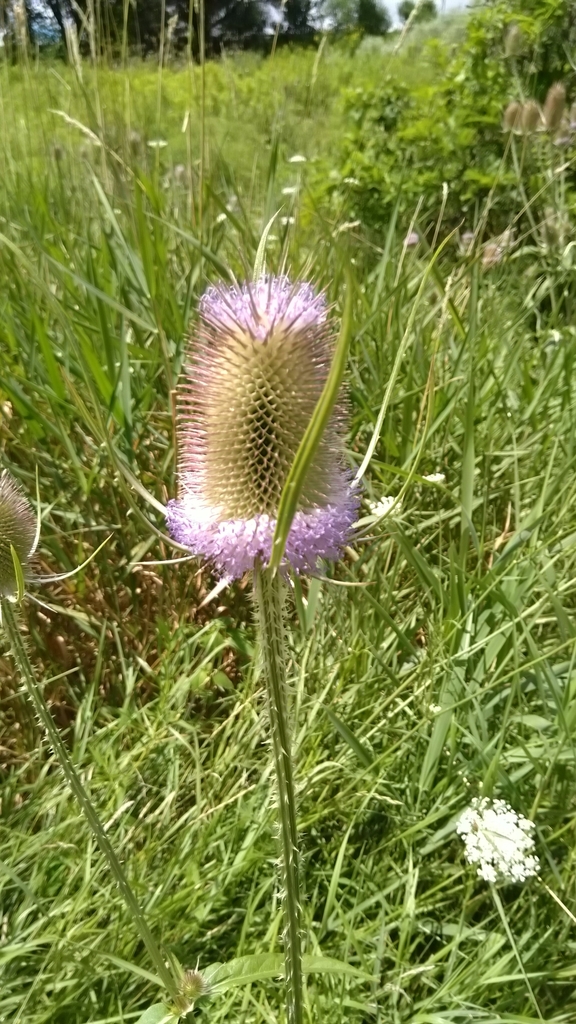 Dipsacus fullonum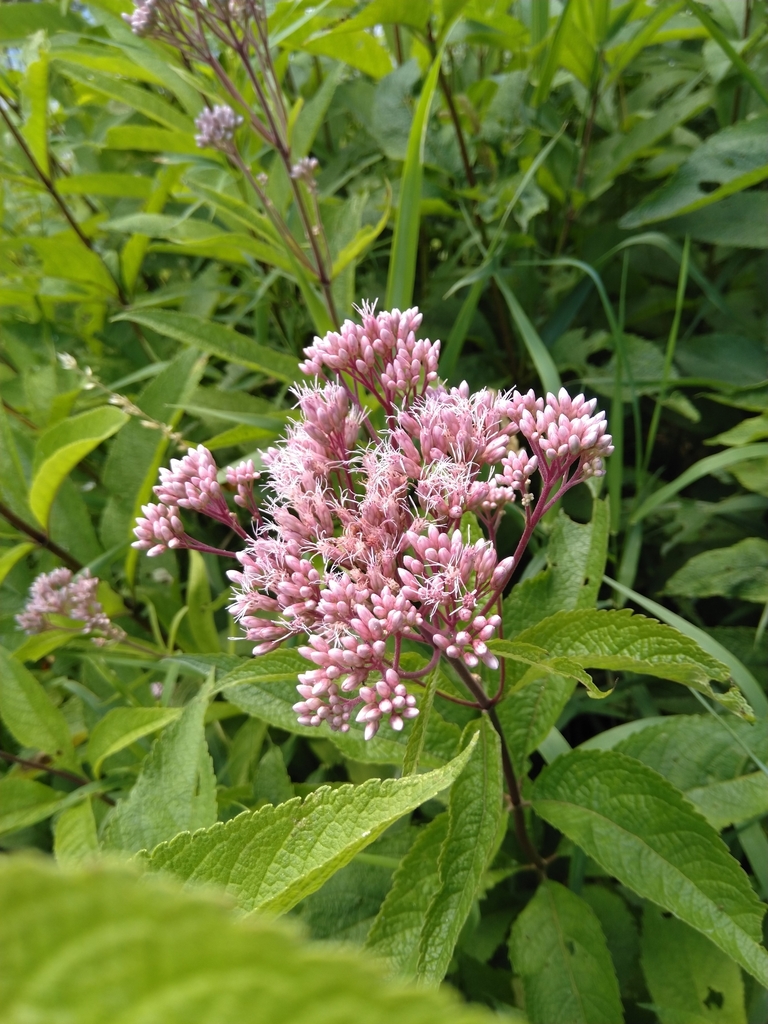 Eutrochium maculatum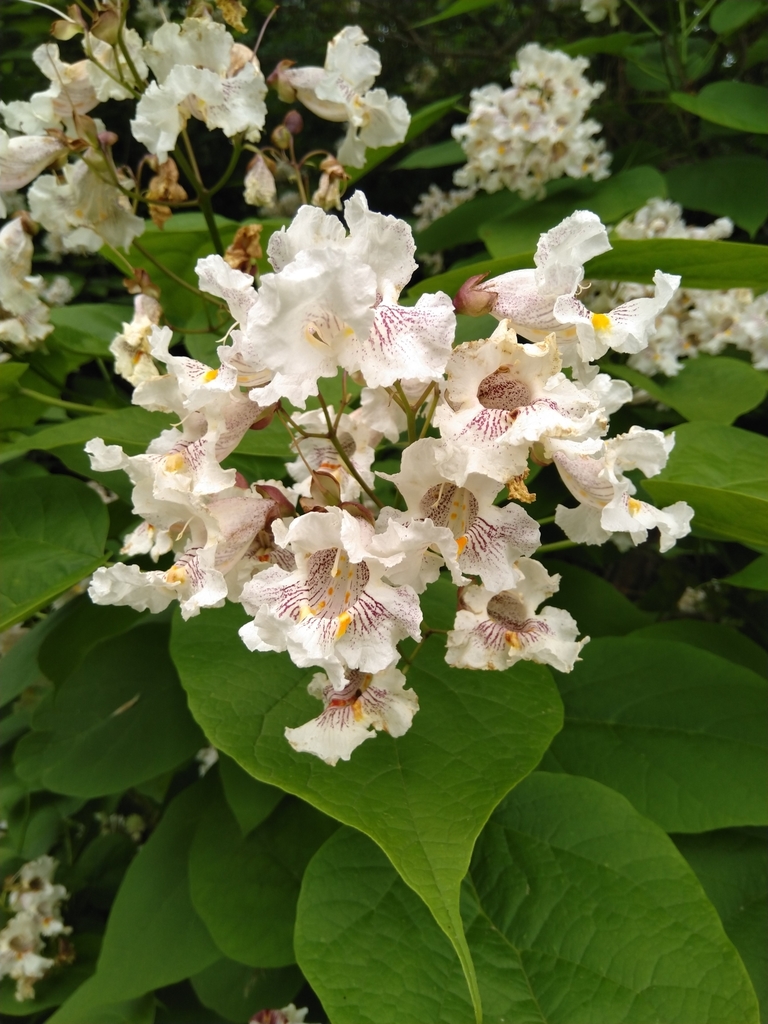 Catalpa speciosa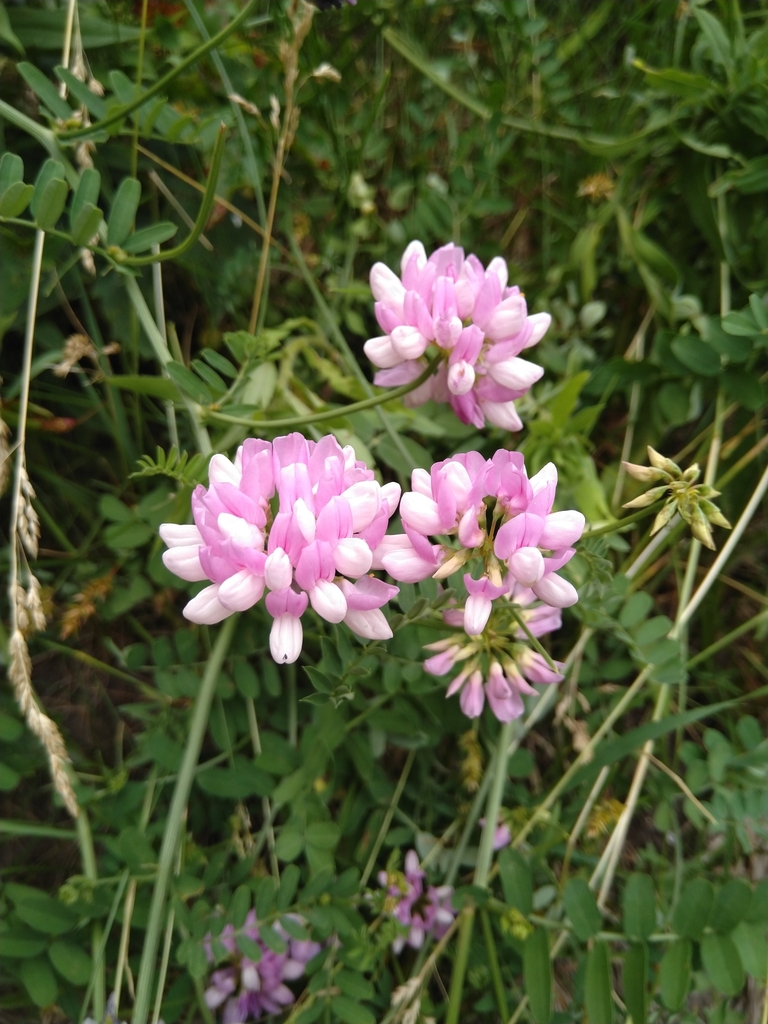 Securigera varia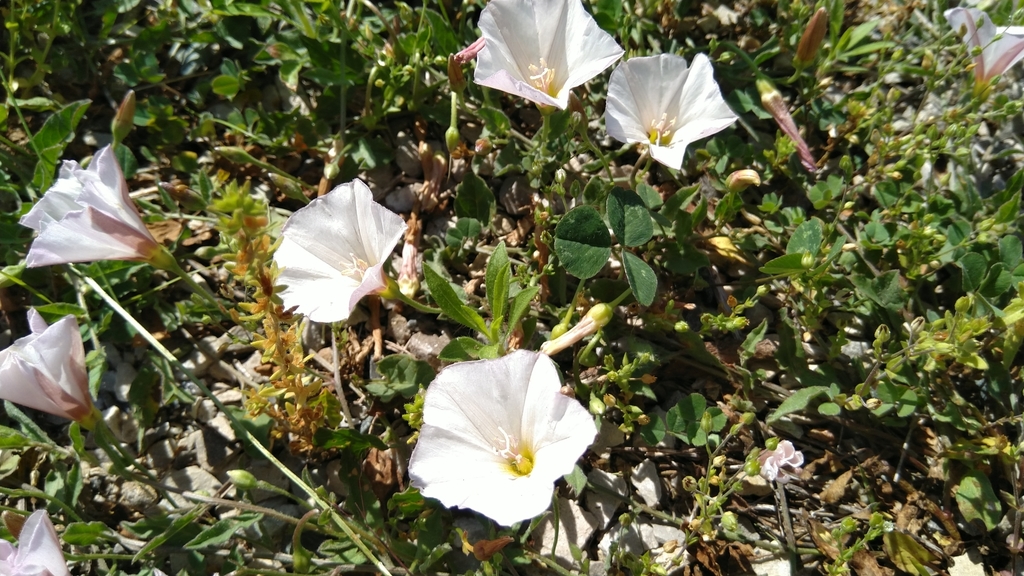 Convolvulus arvensis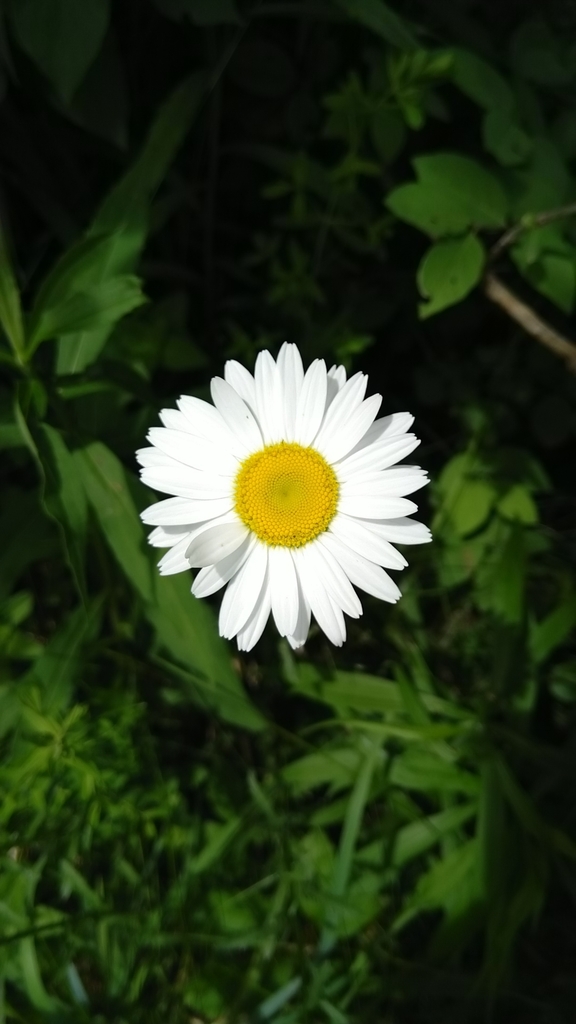 Leucanthemum vulgare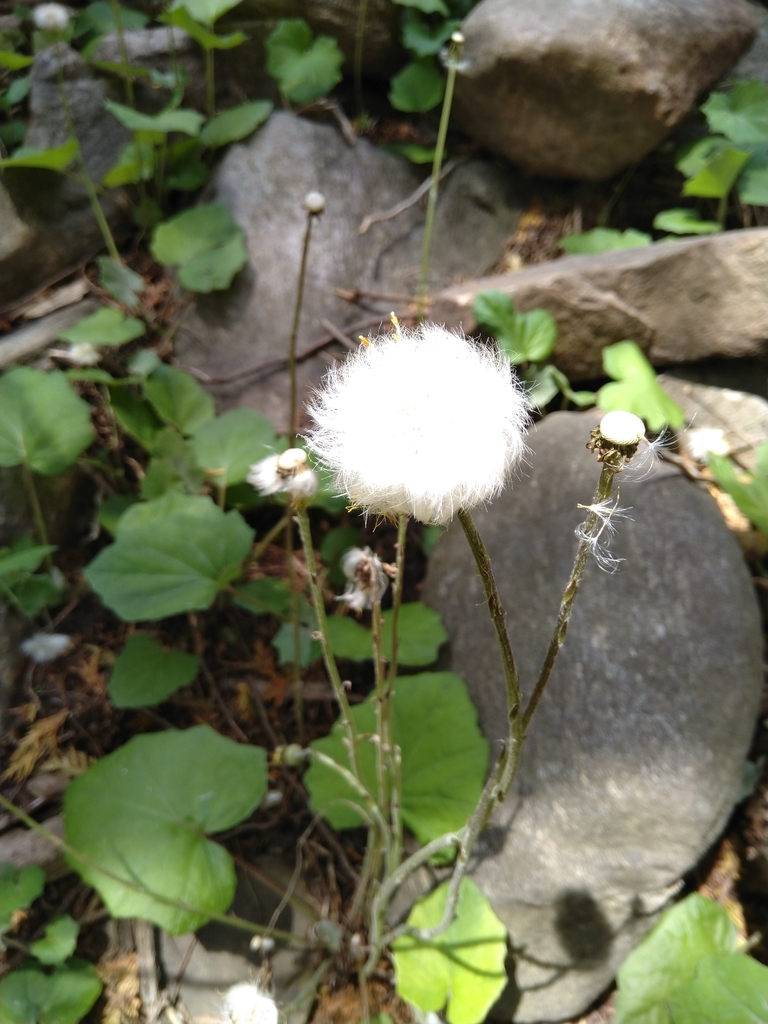 Tussilago farfara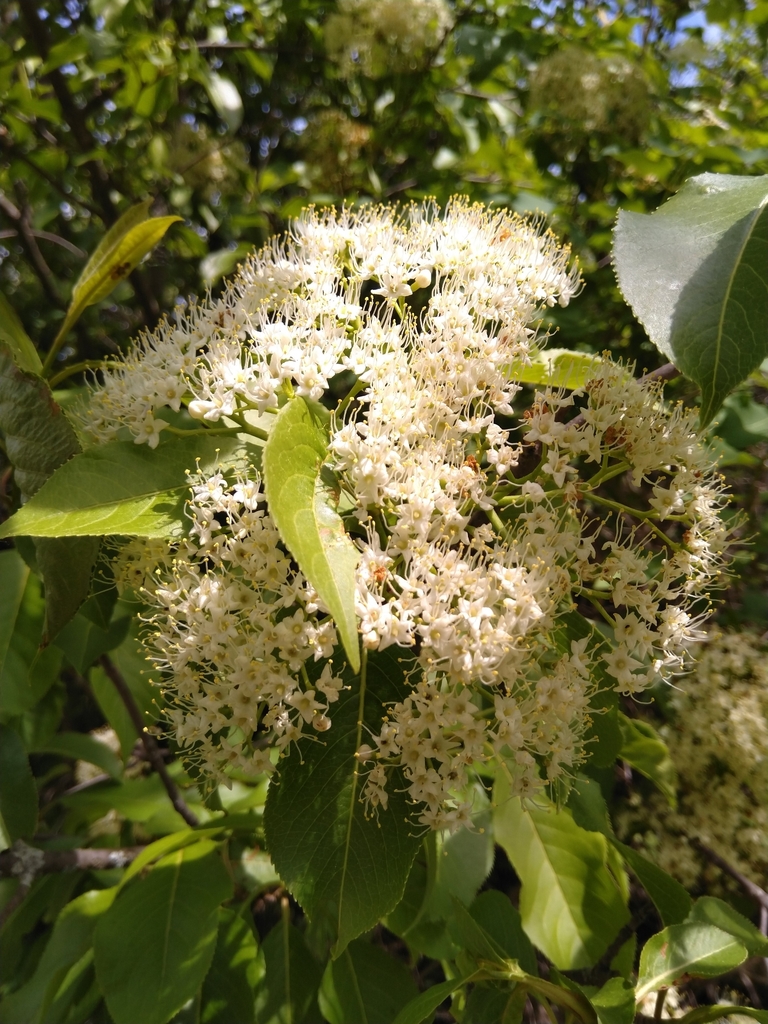 Viburnum lentago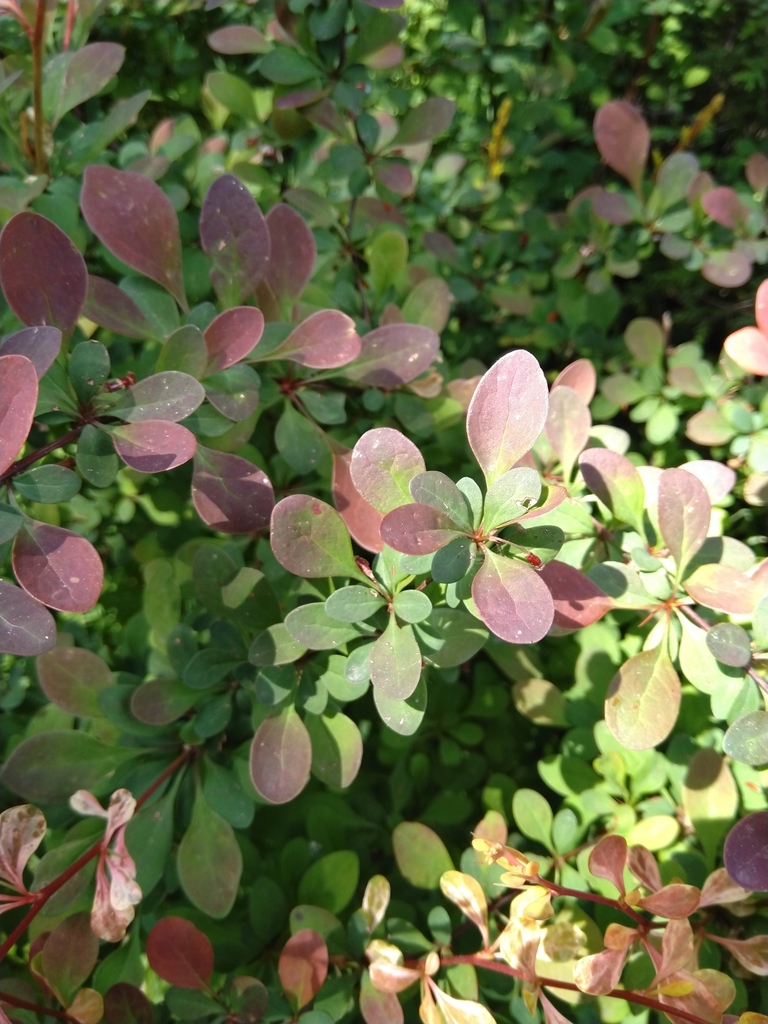 Berberis thunbergii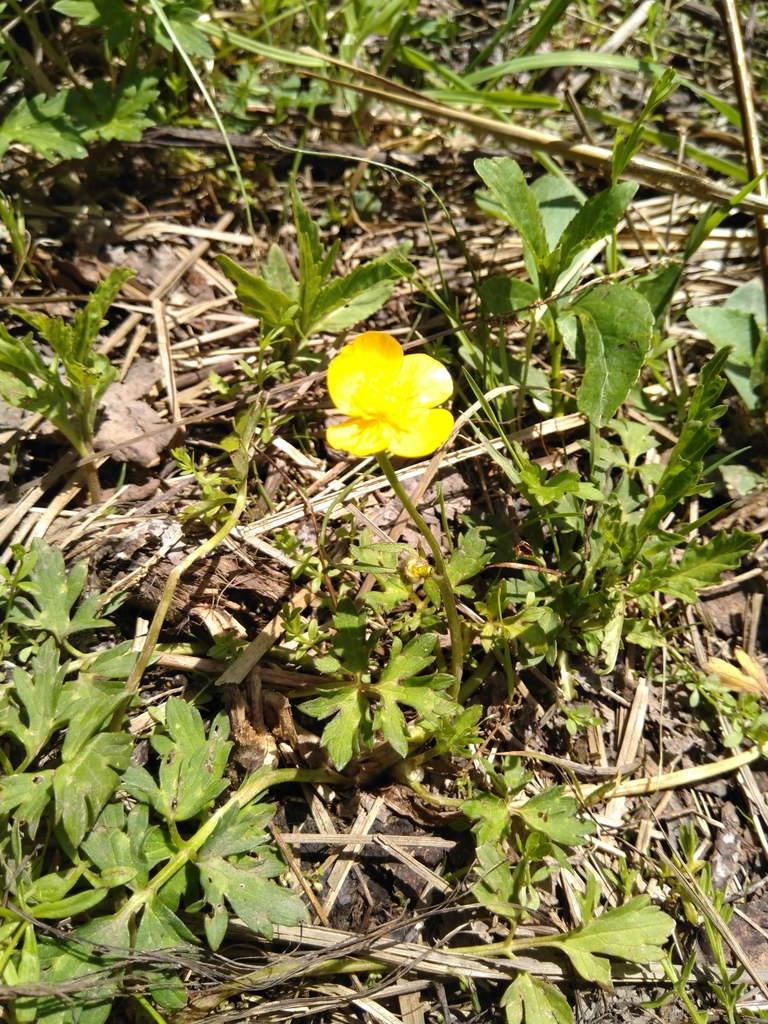 Ranunculus repens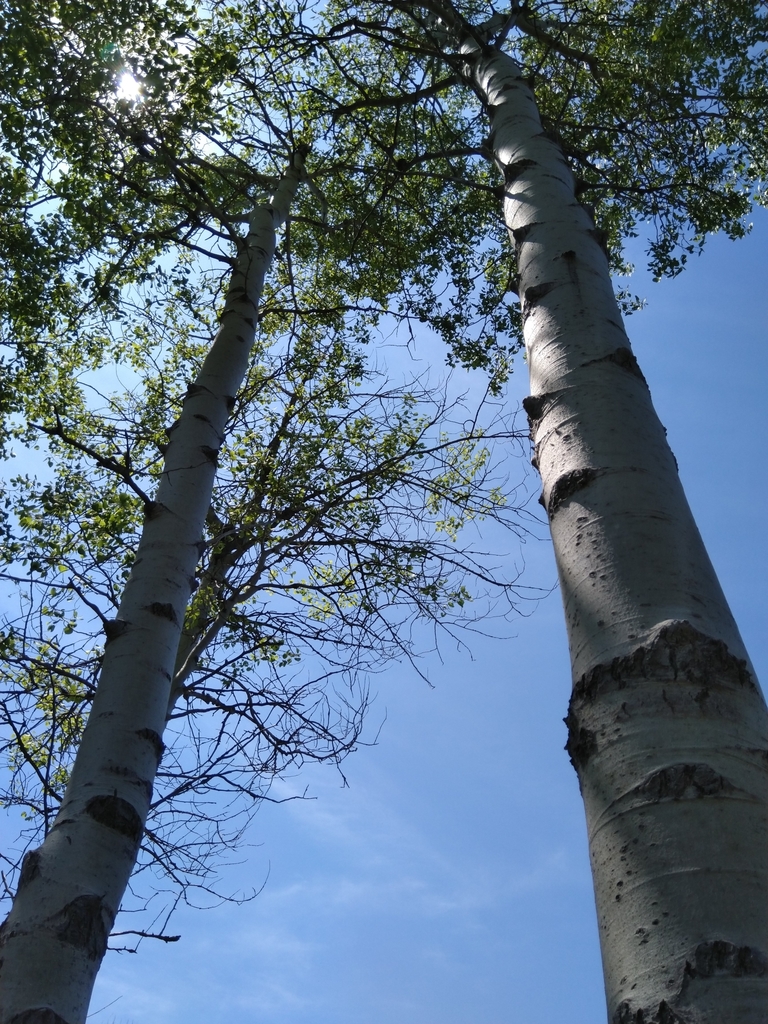 Populus tremuloides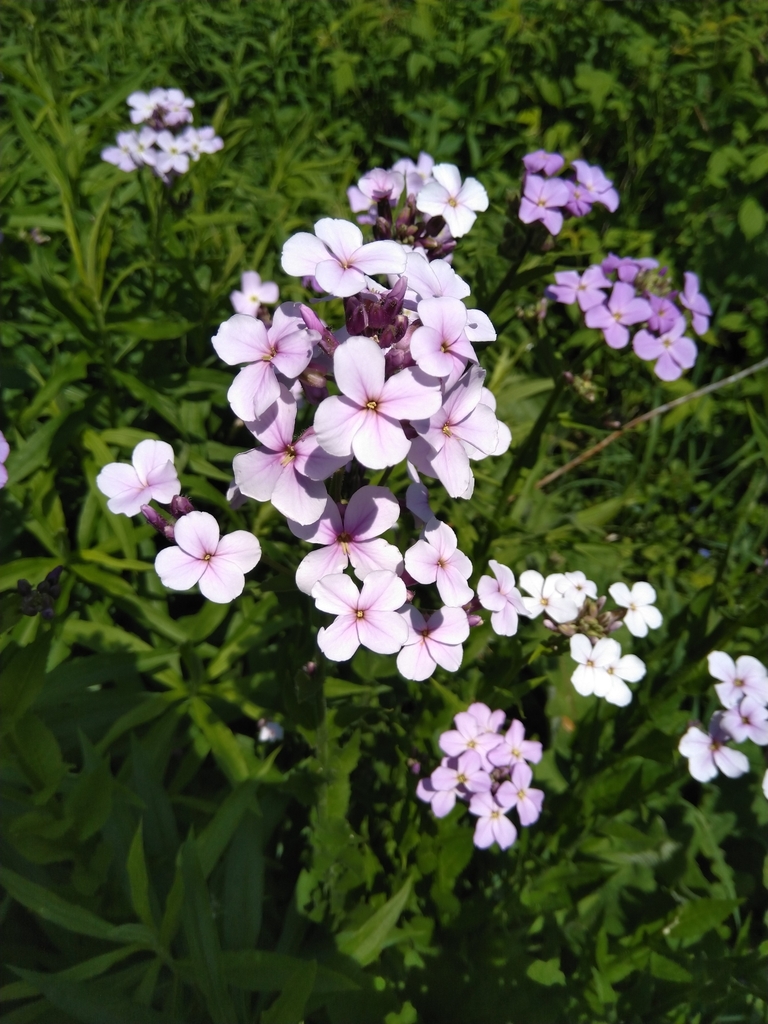 Hesperis matronalis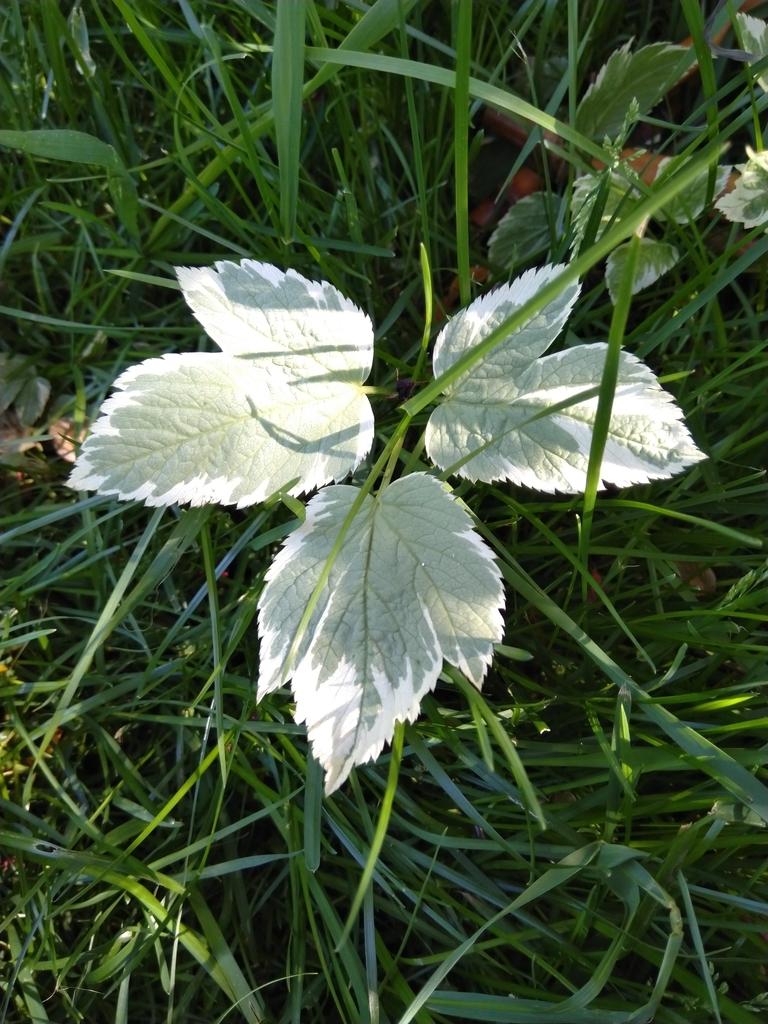 Aegopodium podagraria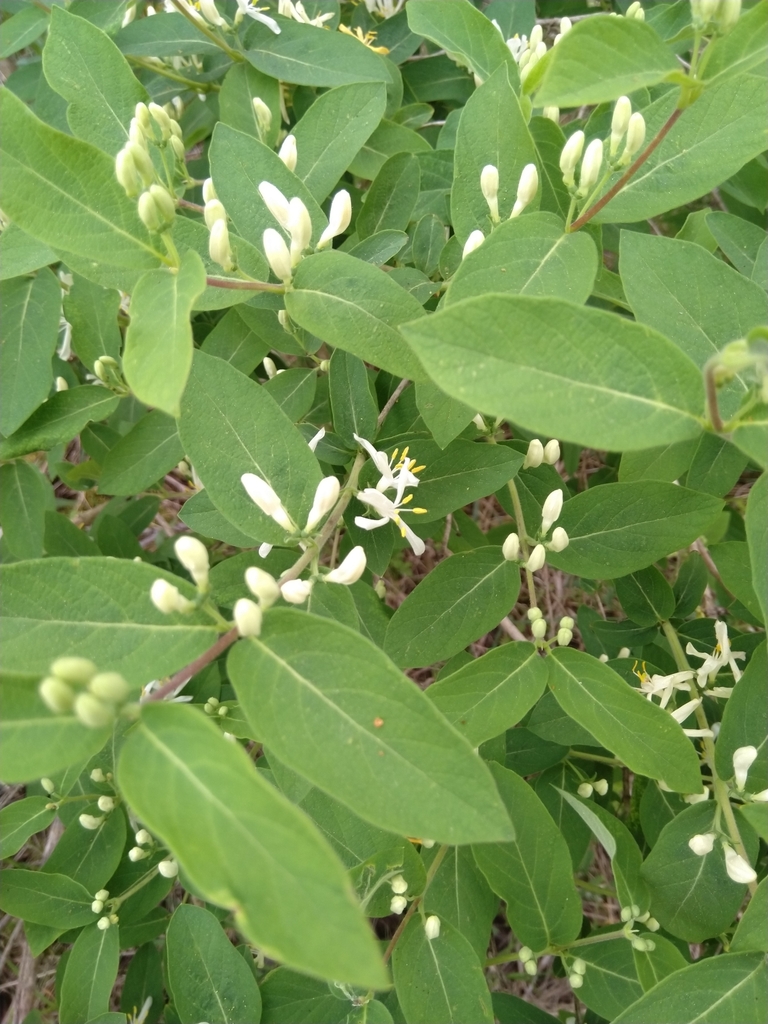 Lonicera morrowii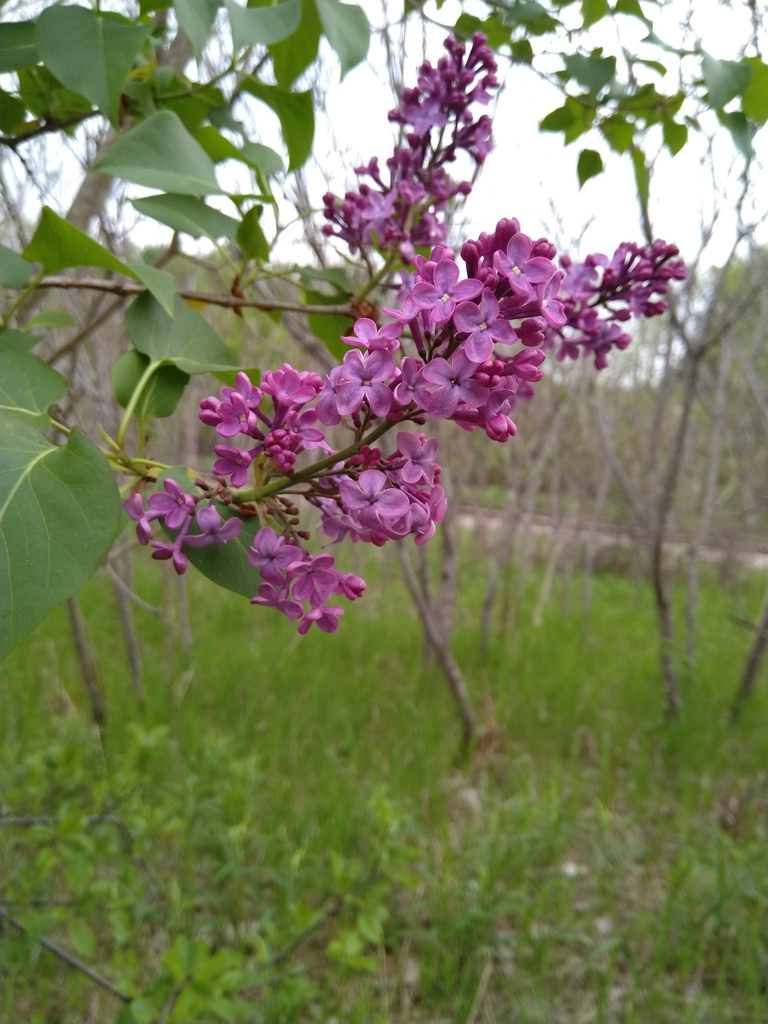 Syringa vulgaris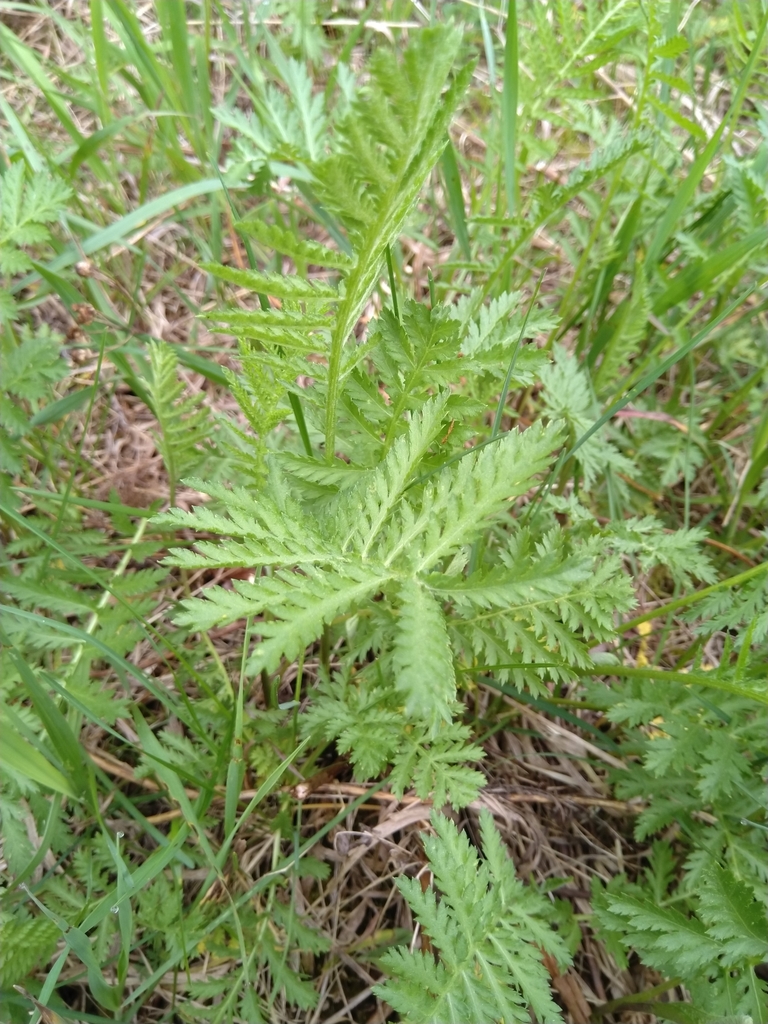 Tanacetum vulgare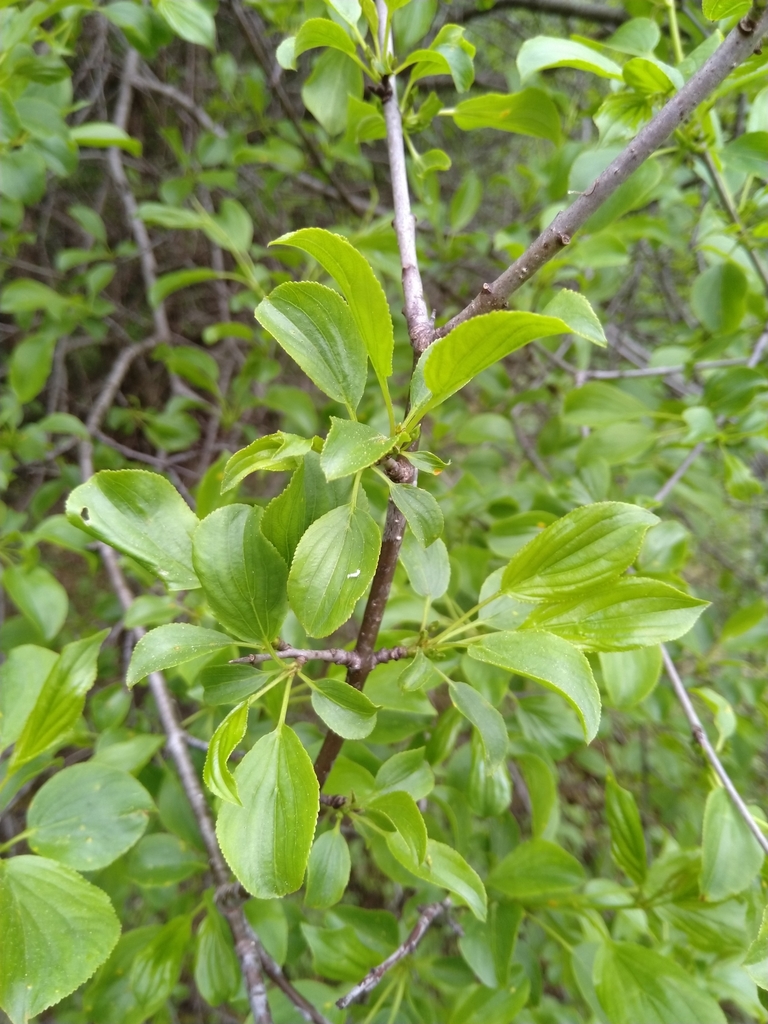 Rhamnus cathartica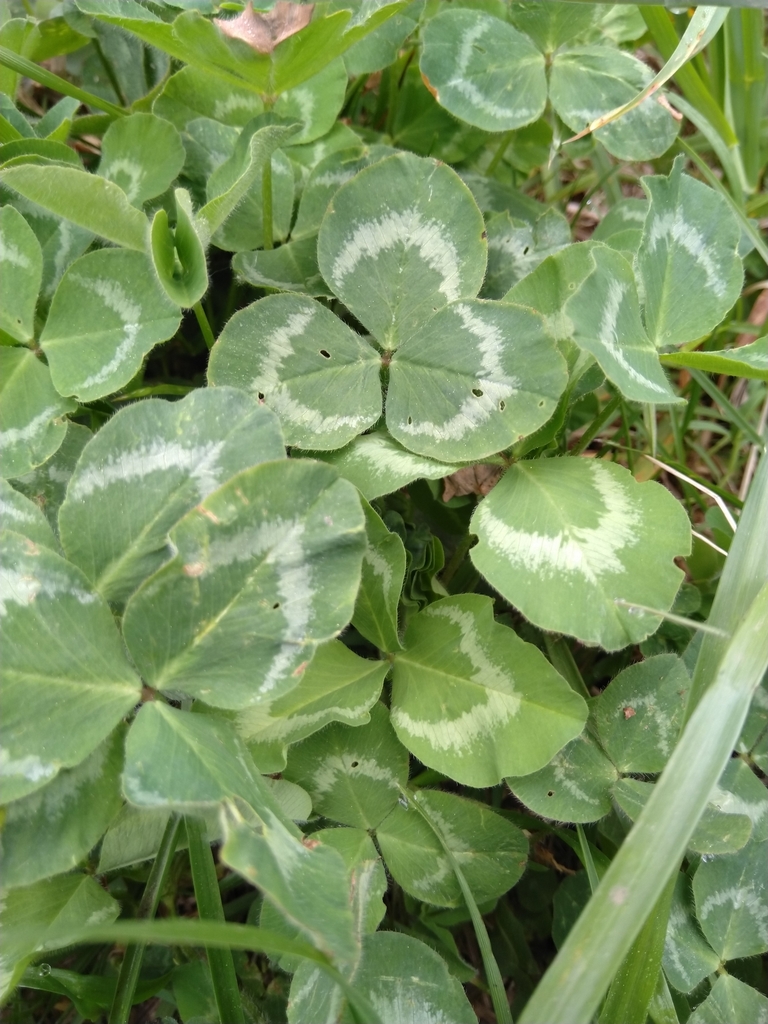 Trifolium repens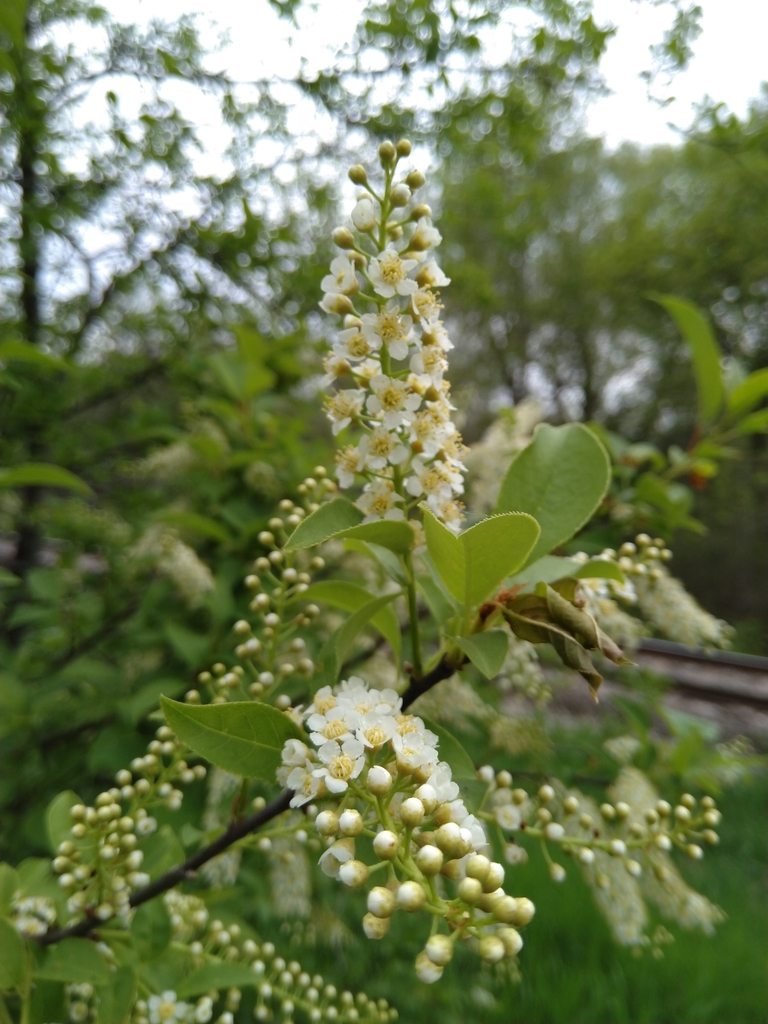 Prunus virginiana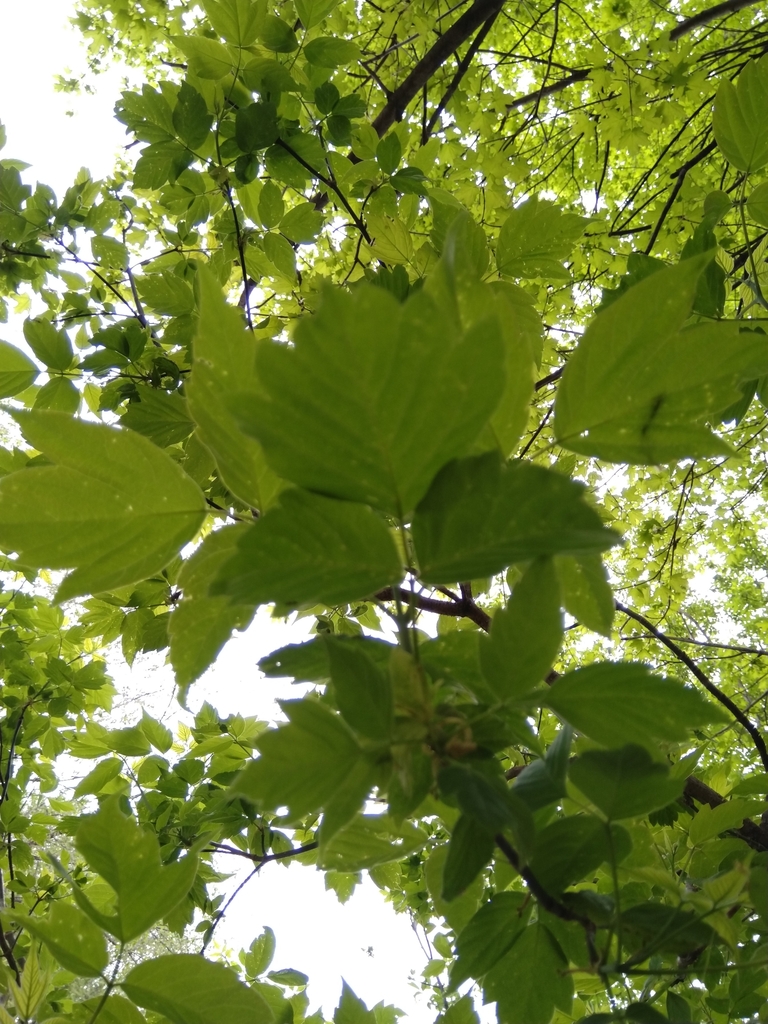 Acer negundo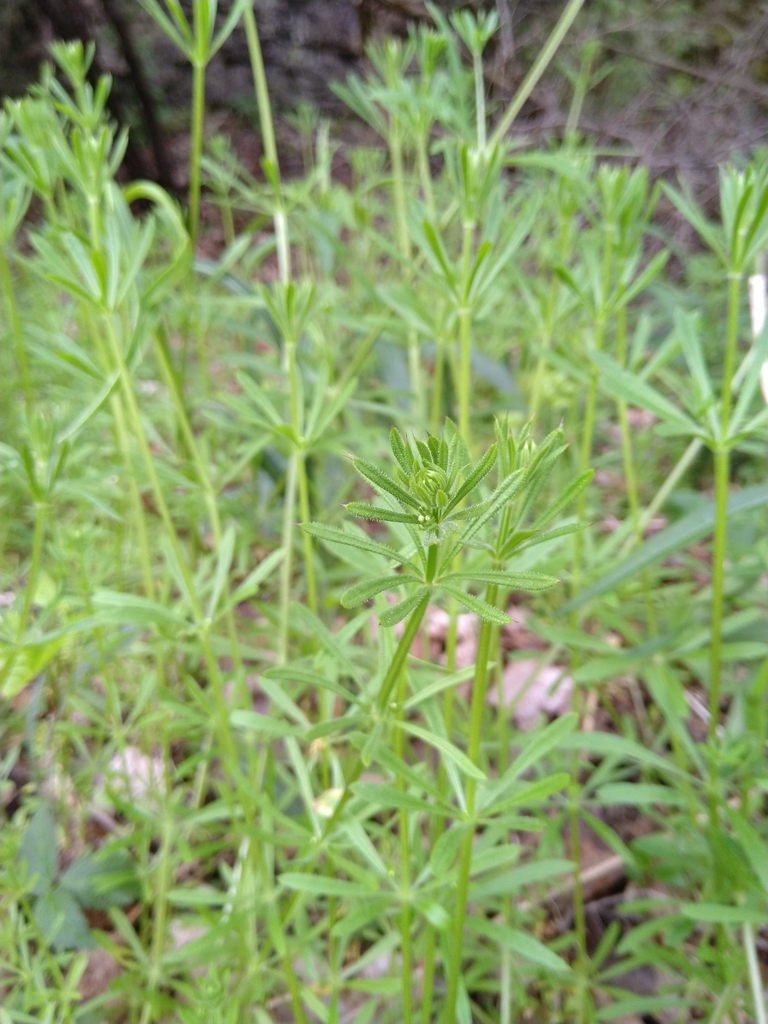 Galium aparine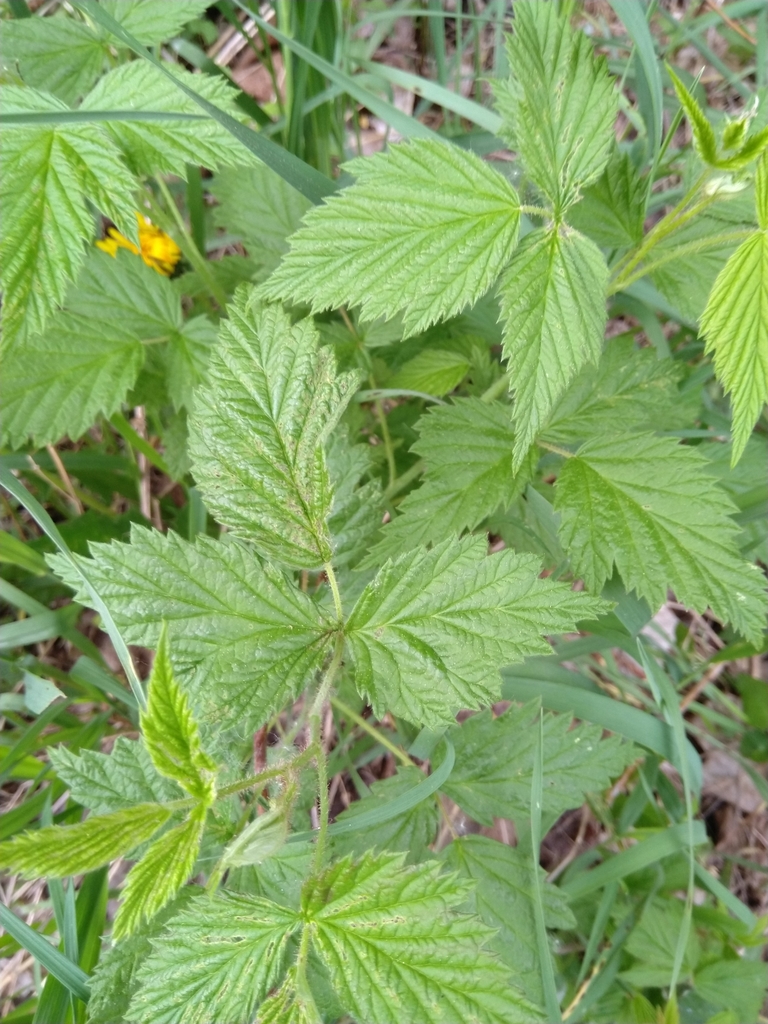 Rubus idaeus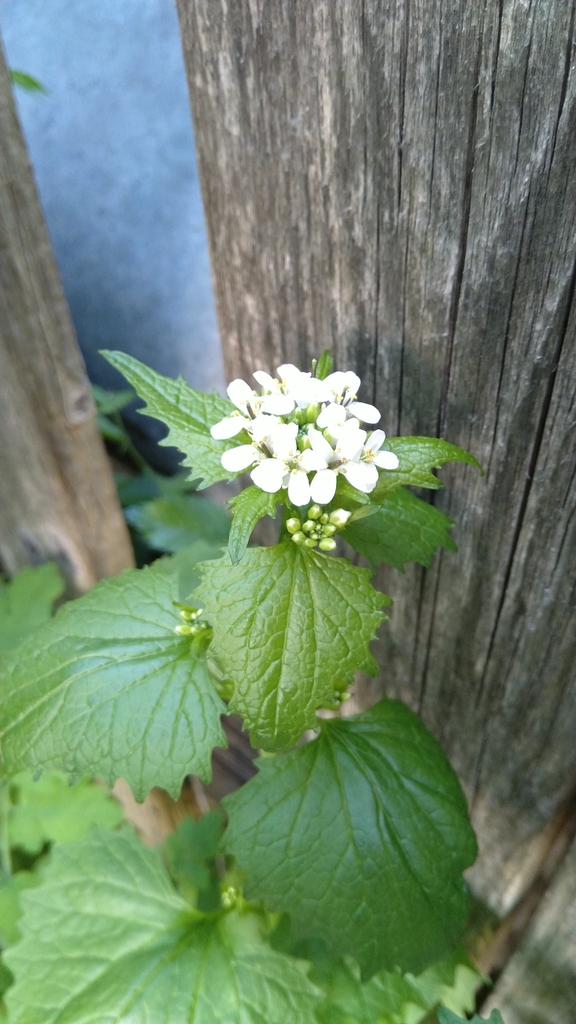 Alliaria petiolata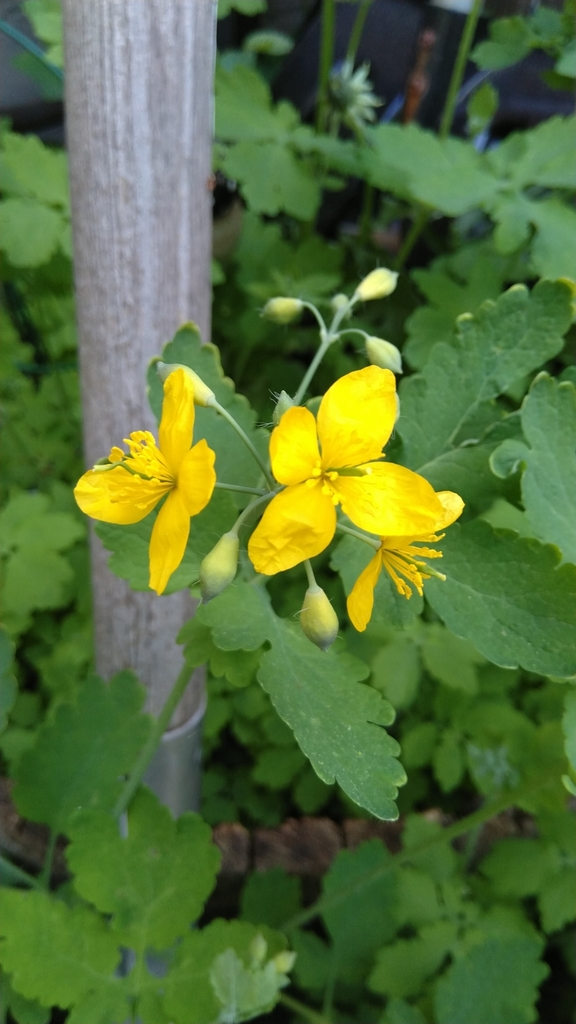 Chelidonium majus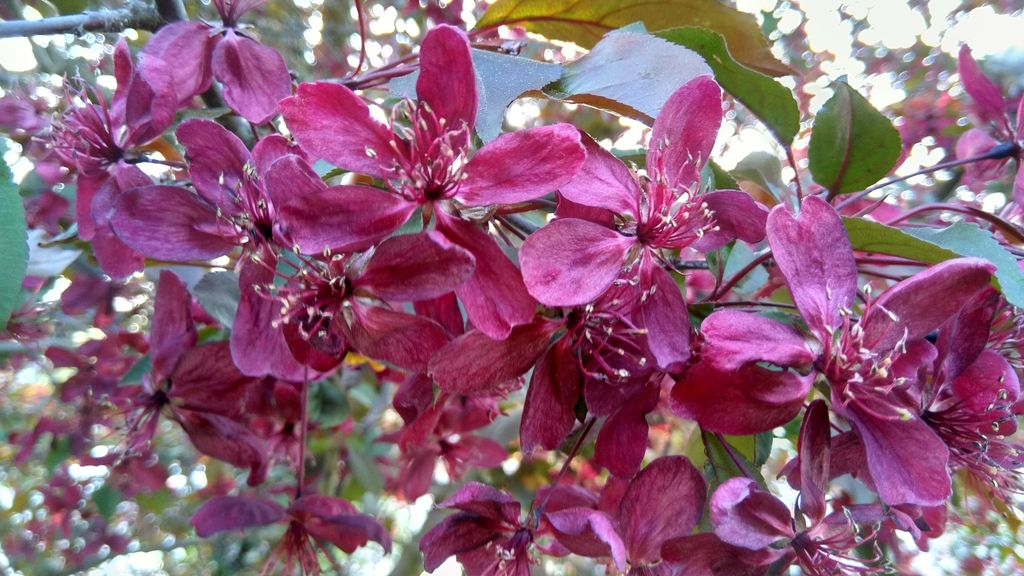 Prunus americana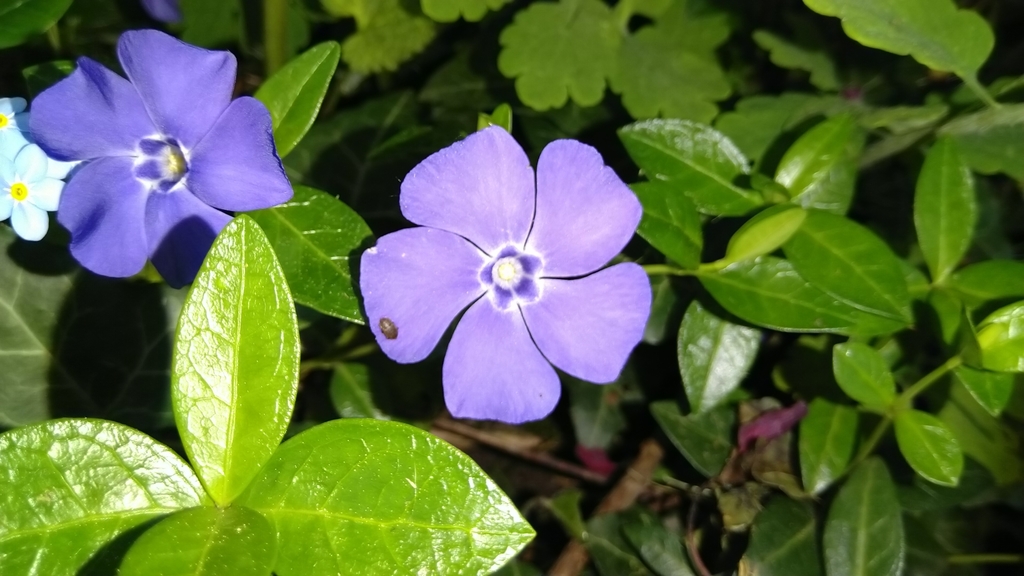 Vinca minor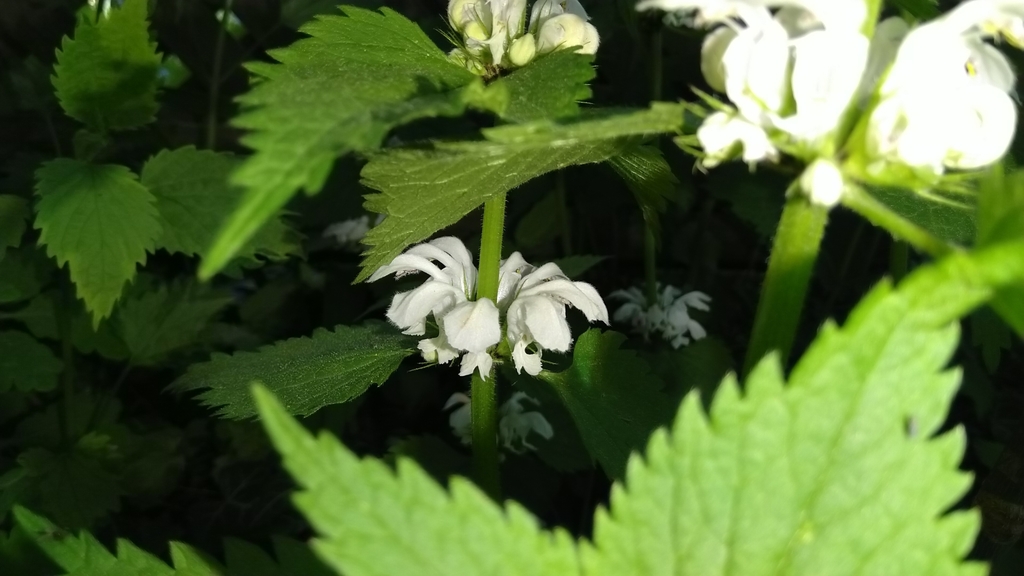 Lamium album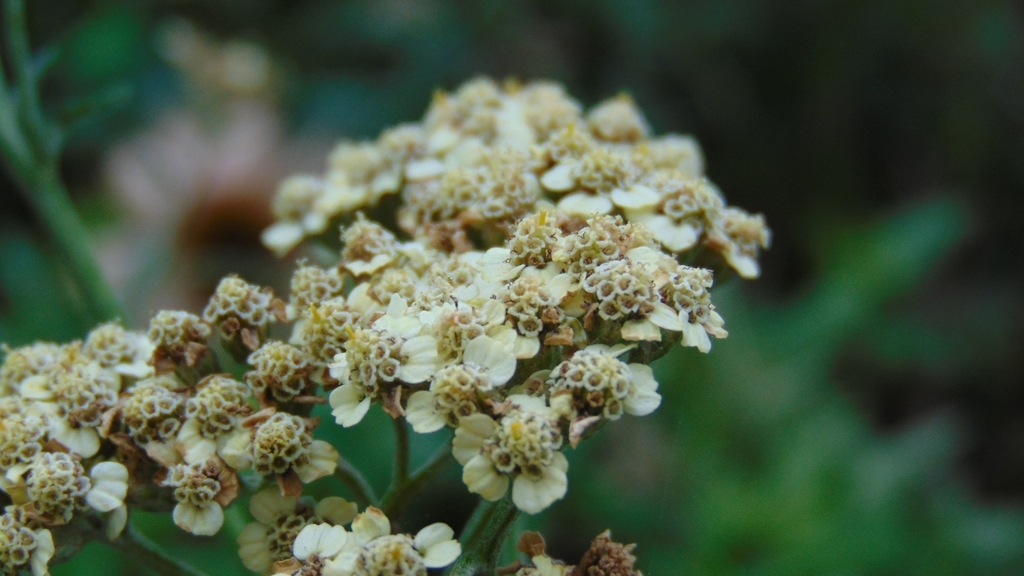 Achillea millefolium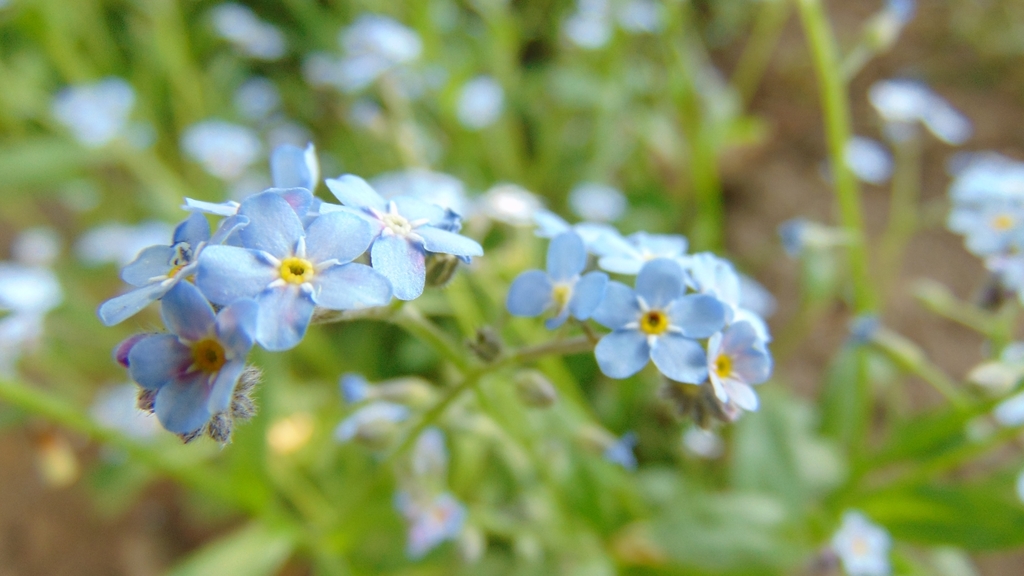 Myosotis arvensis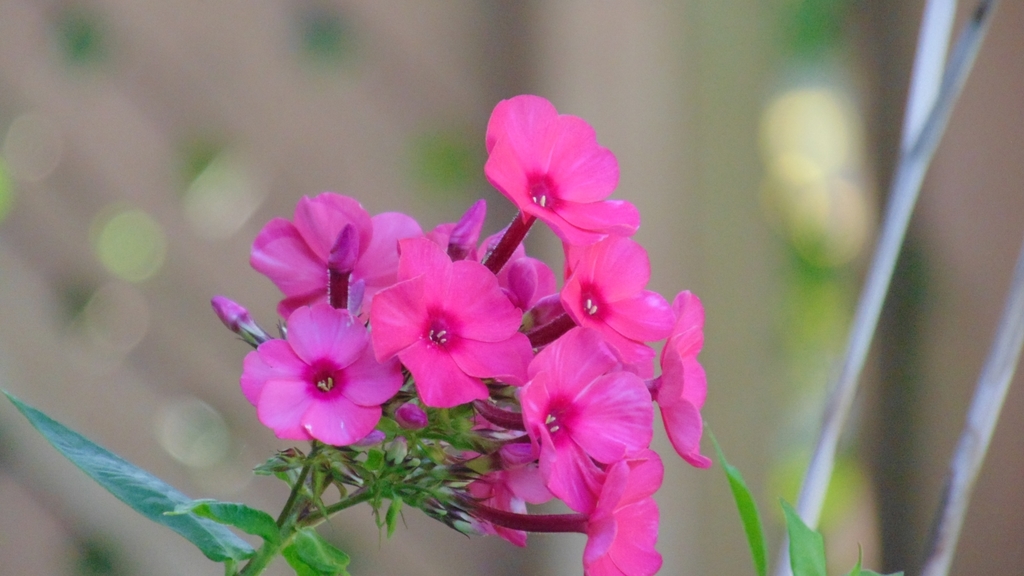 Phlox paniculata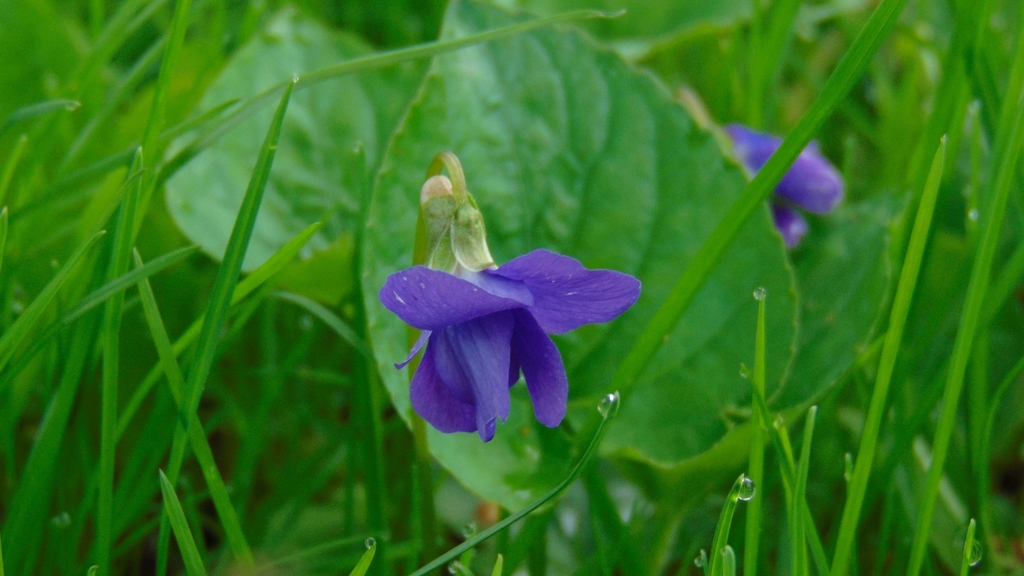 Viola odorata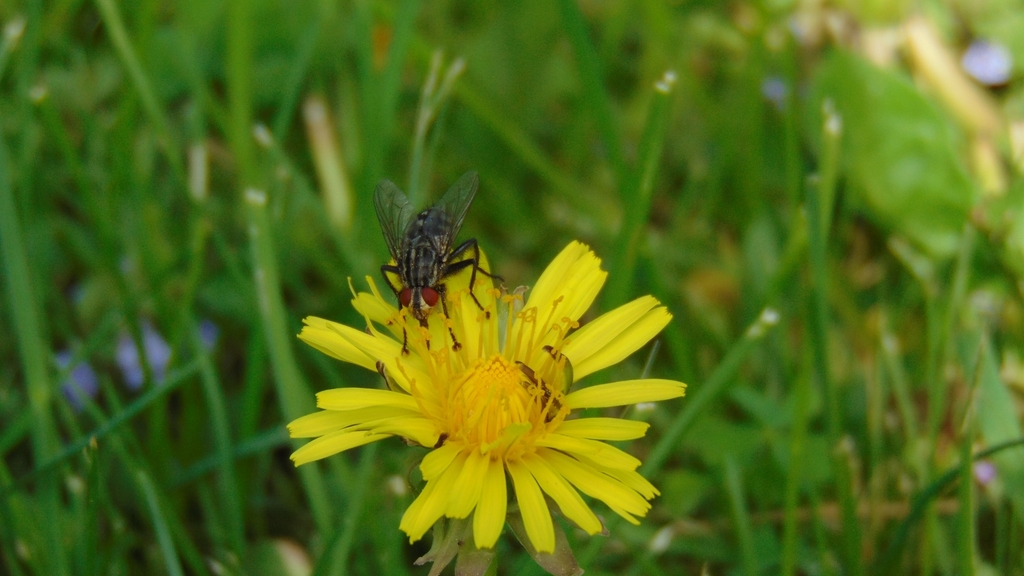 Taraxacum officinale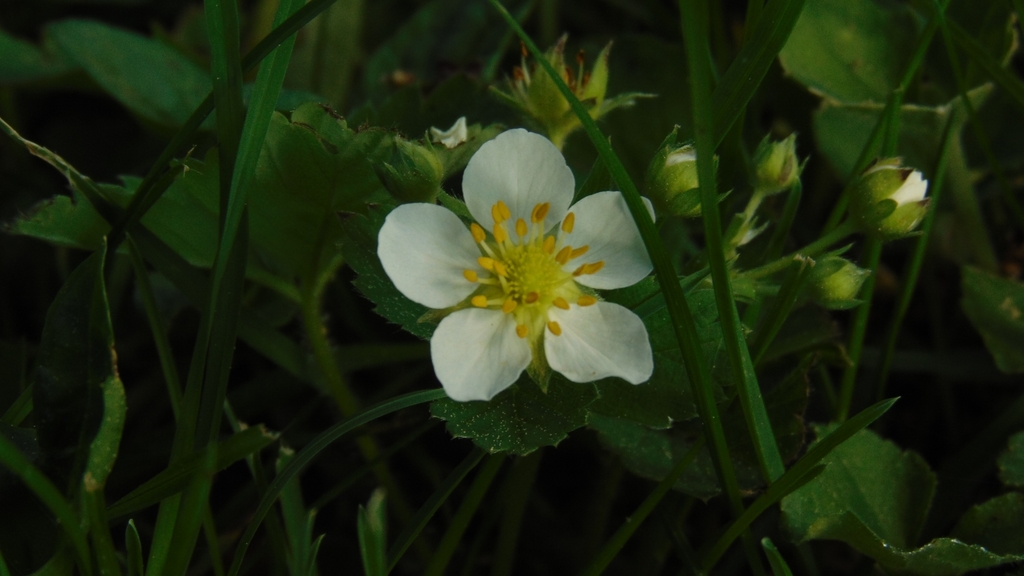 Fragaria spp. |
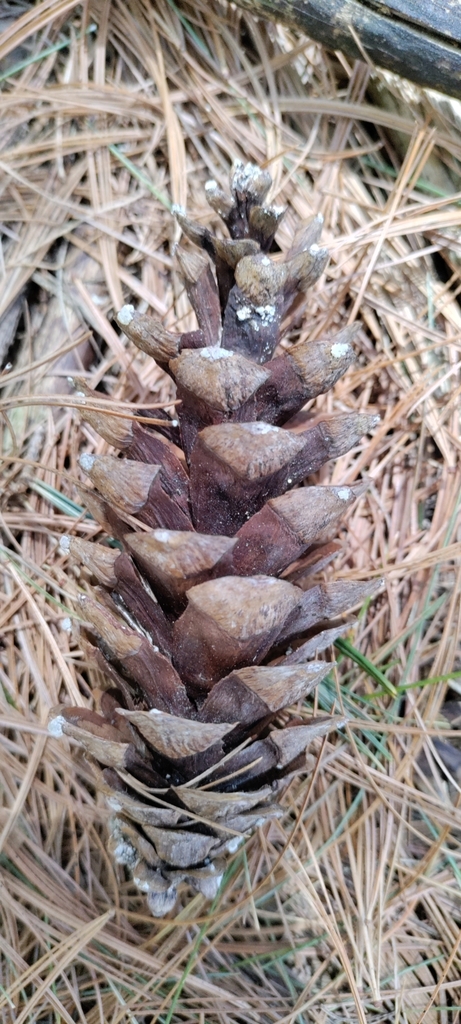
Pinus strobus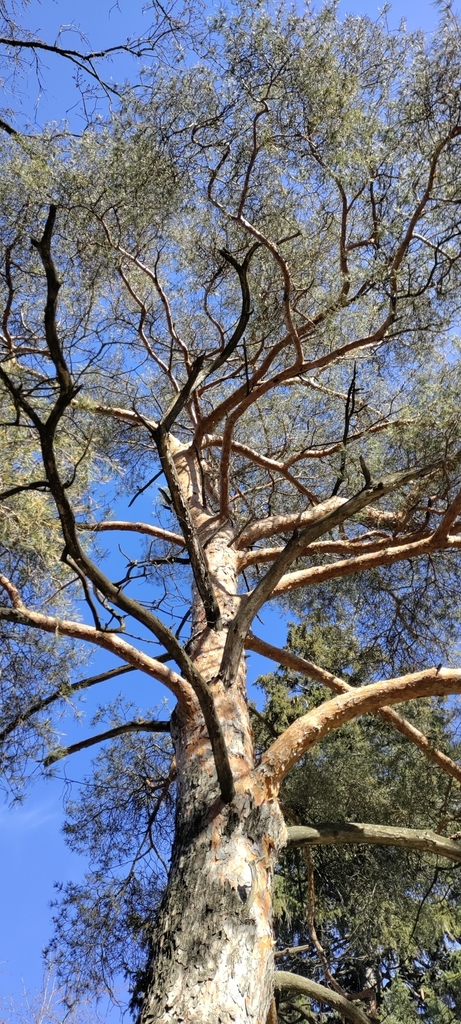 Pinus sylvestris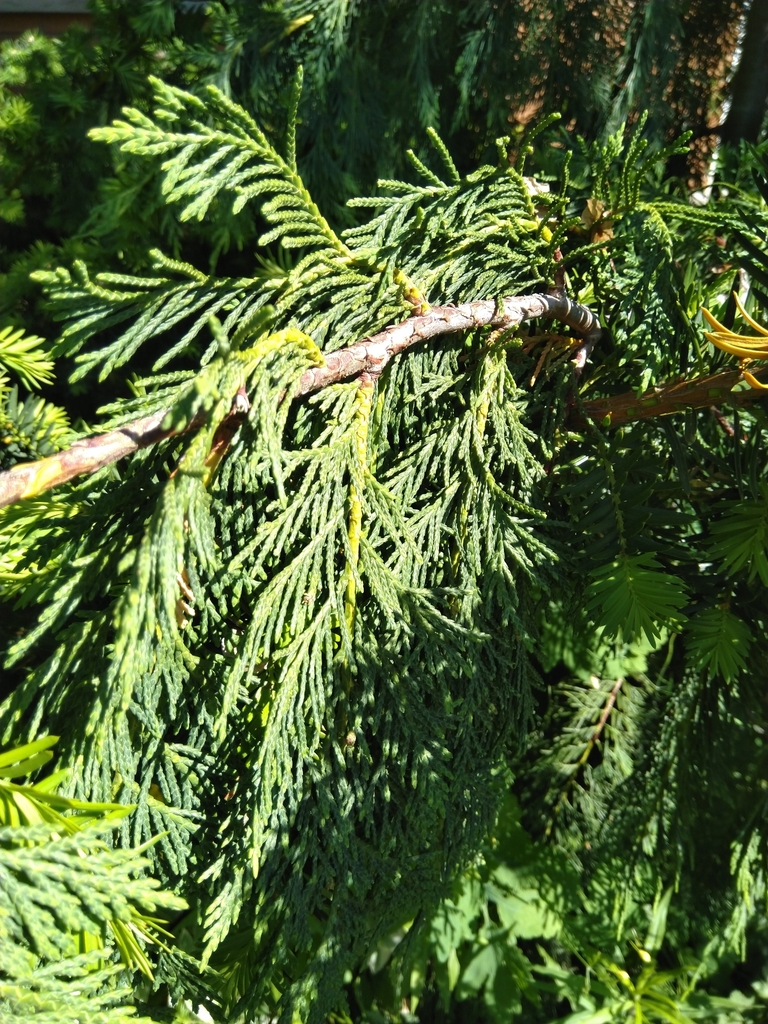 Thuja occidentalis |
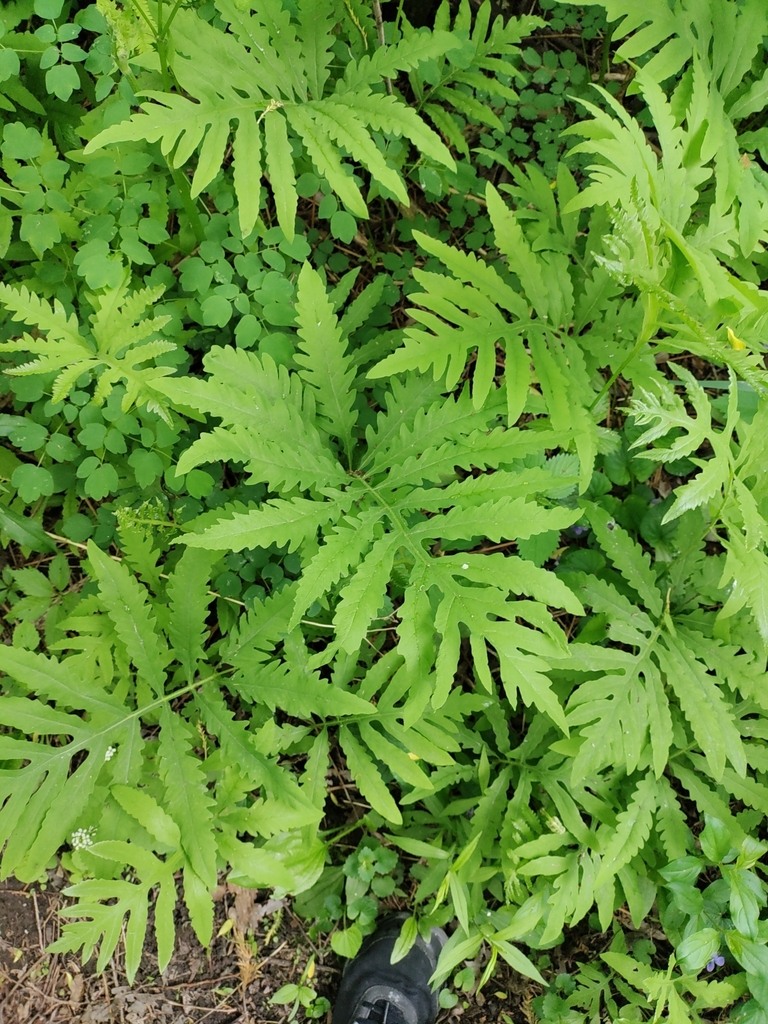
Onoclea sensibilis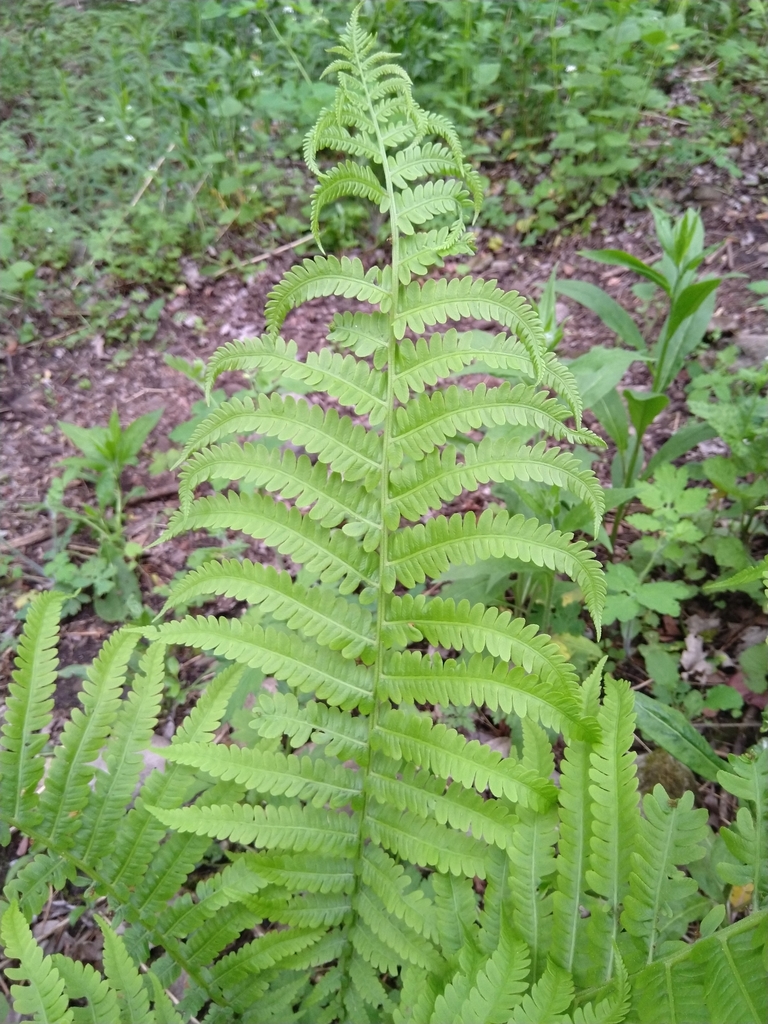 Matteuccia struthiopteris |
|
Jump to top |
|
|
|
|
AGARICOMYCETES | LECANOROMYCETES |
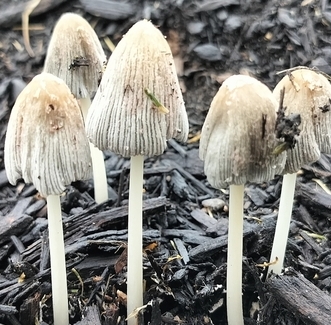
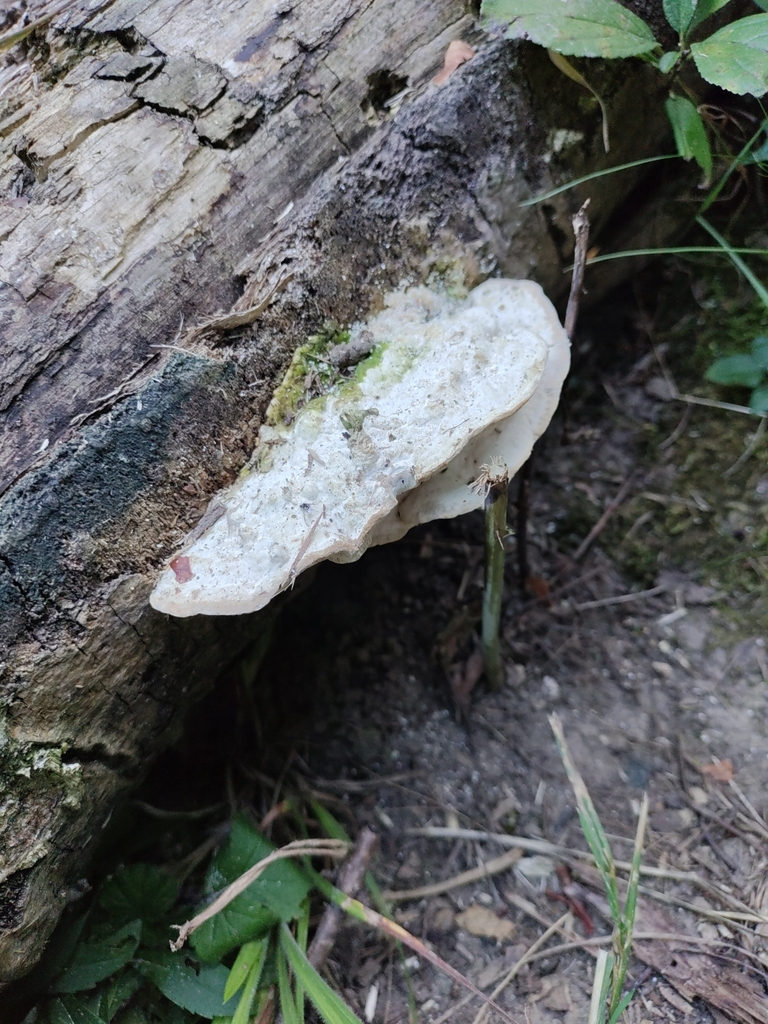
Trametes gibbosa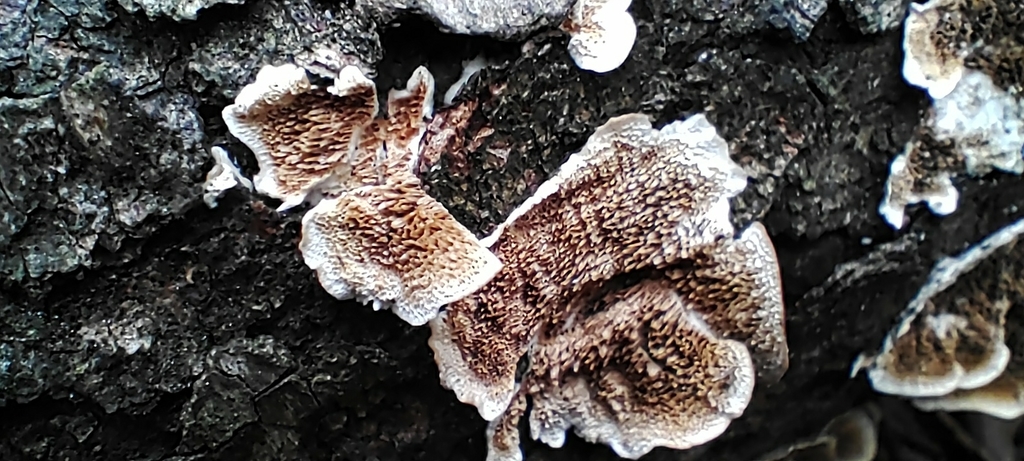 Trichaptum abietinum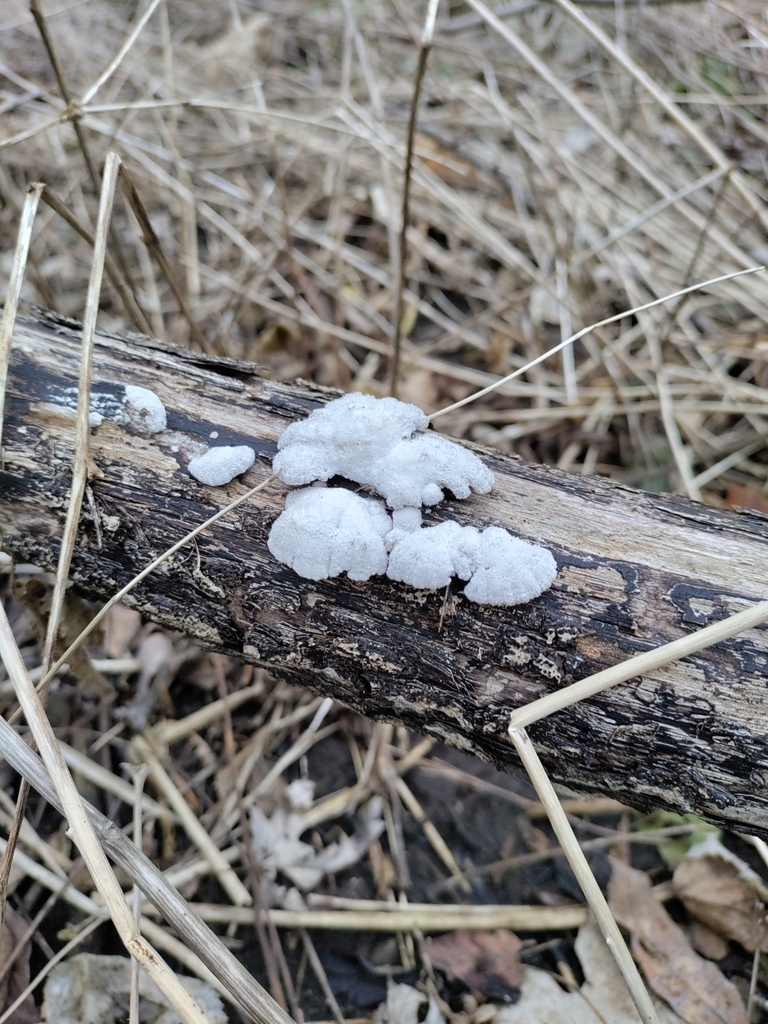 Schizophyllum commune |
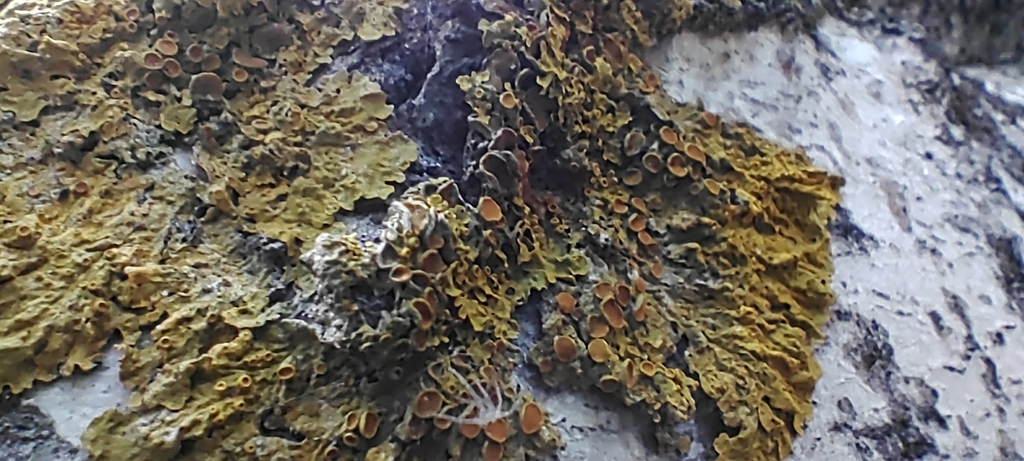
Xanthoria parietina |
|
Jump to top |