 The Biodiversity of Alagoas |

|
Being the second-smallest state within the entire country, Alagoas is initially easy to overlook for the unintiated, however, for such a small land mass in comparision to many other states within Brasil, its ecological diversity is really enamouring!
The state is known for its sugercane and coconuts, being one of the largest producers of them within Brazil, and being on the eastern coast, it is home to many plentiful emerald-green beaches and reefs overlooked by steep hills and deep valleys.
These hilly areas are quite important, as they hold the solitary reminants of the Atlantic Forest within the state, as agriculture, predominantly sugarcane farming, has taken over most of the land.
The state is filled with dense and lush palm forests along coastal rural areas, and most urban areas are built alongside beaches which span kilometers in length. Saline pools and swamps as one heads more inland, eventually reaching the Caatinga do Sertăo, and arid thorn forest in the northwest dominated by xeric shrubs. This biome is one of the 6 major ecoregions of Brasil, and along with the Atlantic Forest, are home to over 50 endemic species. Alagoas is home to many lagoons and smaller lakes, as hinted through the etymology of its name, which takes insipiration from the lakes such as Mundaú River within the coastal capital city of Maceió. |
.jpg)
The climate of Alagoas is that of a typical tropical monsoon climate, and as such, it's temperatures range from warm to very hot throughout the year, with high humidity. Many winds blow in from the Atlantic ocean, providng cool and salty breezes.
January is typically the warmest month, being the peak of summer, with July being the coolest and the peak of "winter," moreso a rainy season with excessive humidity. The rainforests which surround many urban areas bring in much more rain, and in certain areas there can be flooding.
The soil quality is poor in certain areas due to the extreme amount of rain diluting and leaching out nutrients.
| As opposed to many temperate climates, the amount of the daylight within Alagoas stays somewhat consistent, with daylight lasting essentially around 12 hours, and the sunrise and sunset taking place around the same time throughout the year. The air quality in the state is rather clean, which is a stark contrast to the congestion of city traffic. Even though much land has been sacrificed to agriculture, many urban areas are built with the land, rather than on top of it. This leads towards much more shared space between urban and natural areas, and cleaner air due to the respect locals tend to have towards flora and fauna. |
| Species catagories (click to view) |
|
|
|
|
|
|
|
|
|
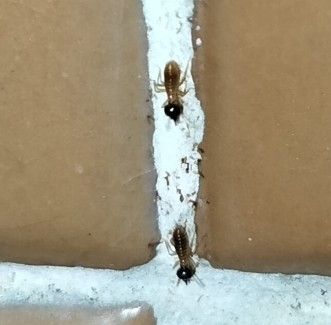
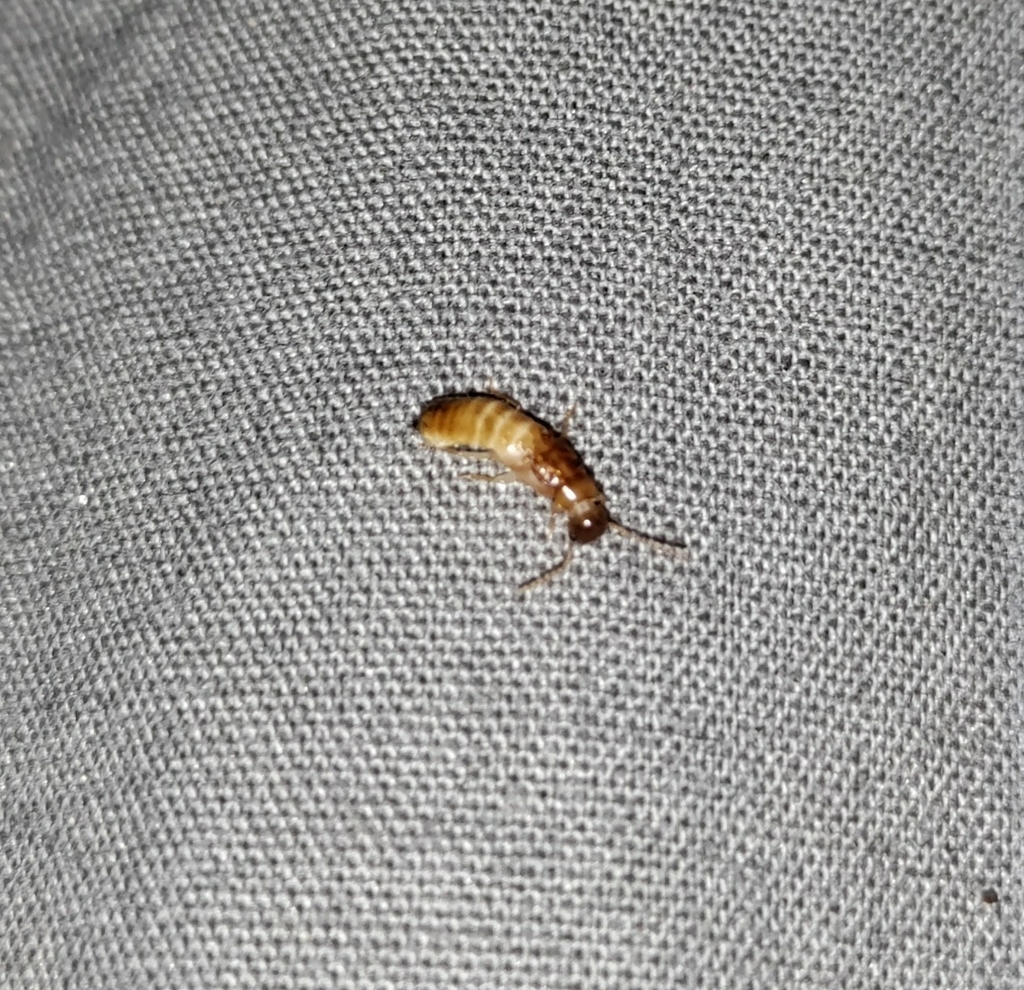
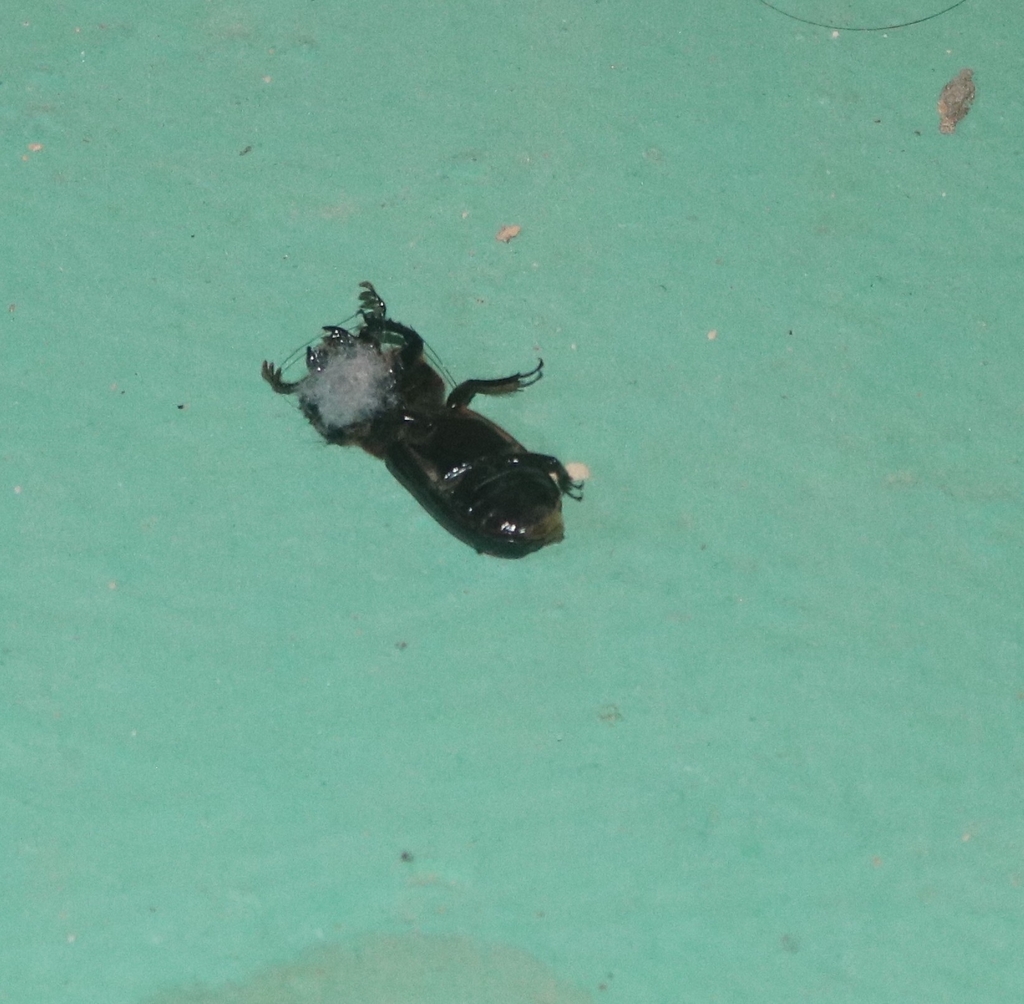
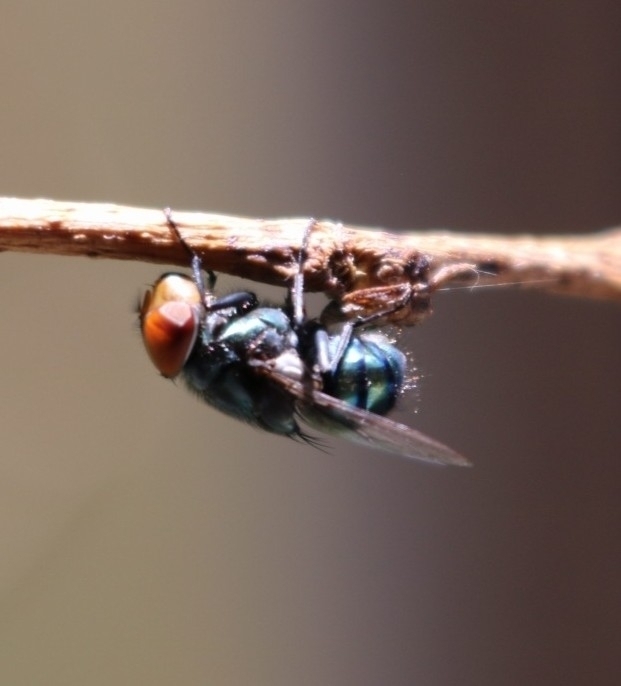
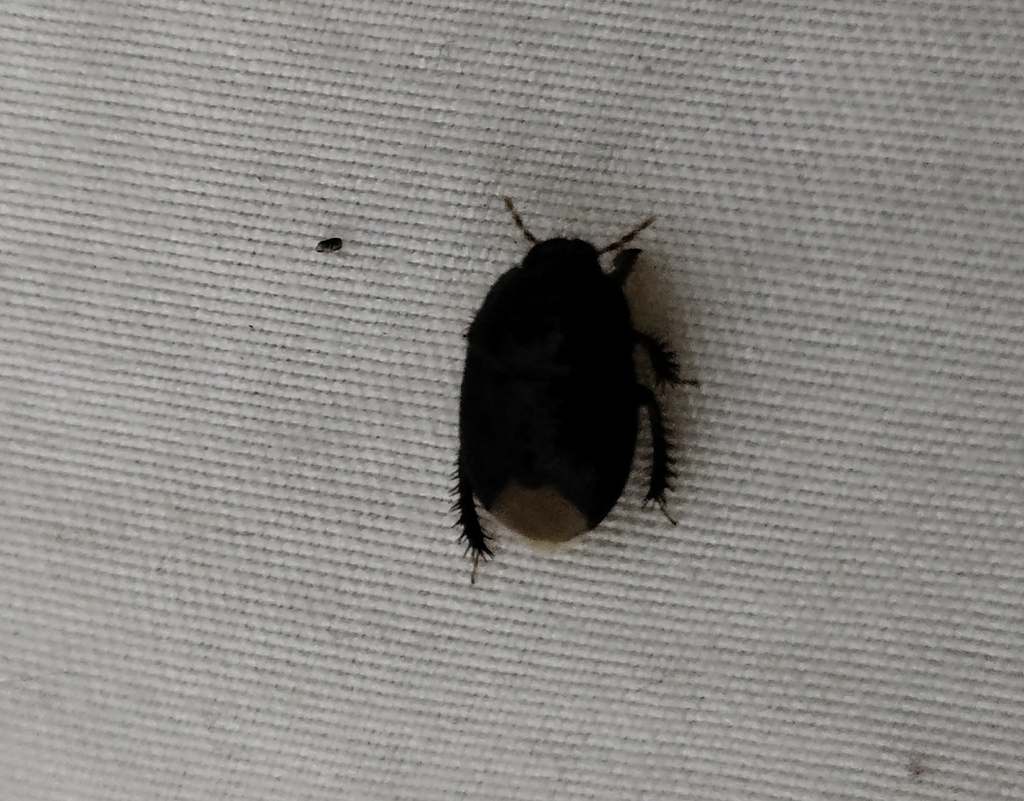
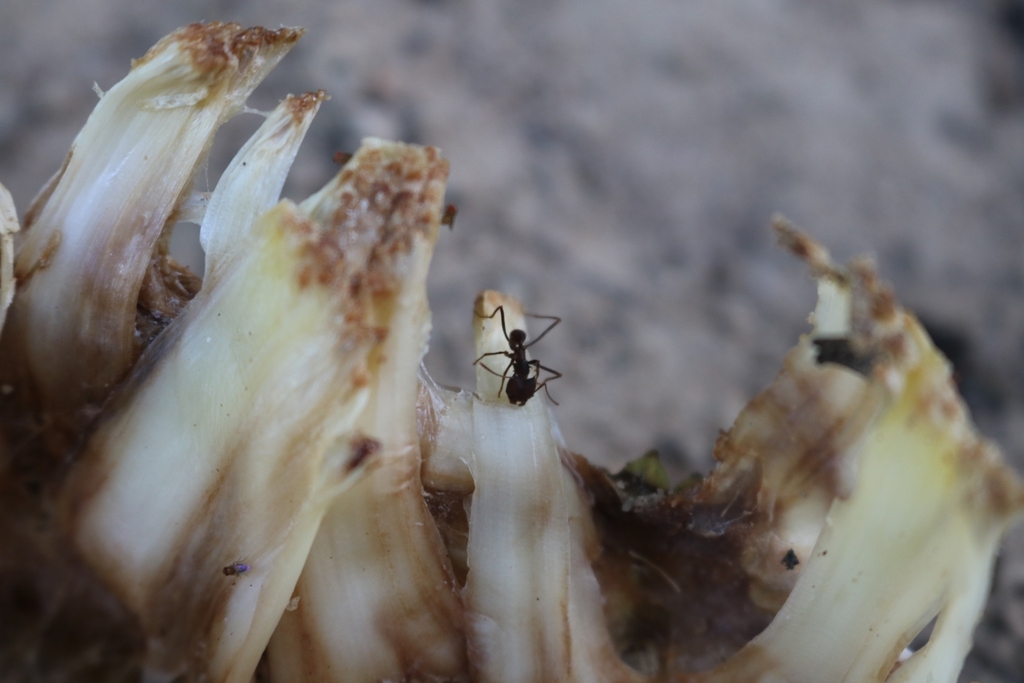
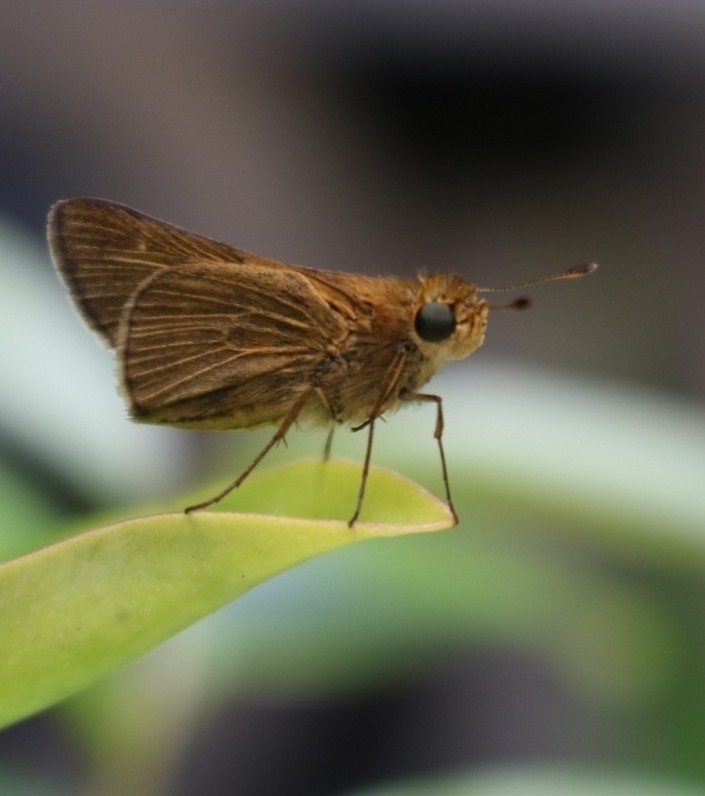
BLATTODEA Cockroaches and termites | COLEOPTERA Beetles | DIPTERA True flies | HEMIPTERA True bugs | HYMENOPTERA Ants, bees, wasps, and sawfiles | LEPIDOPTERA Butterflies and moths | ODONATA Dragonflies and damselflies | ORTHOPTERA Grasshoppers, crickets, and katydids |
Kalotermitidae |
Passalus spp.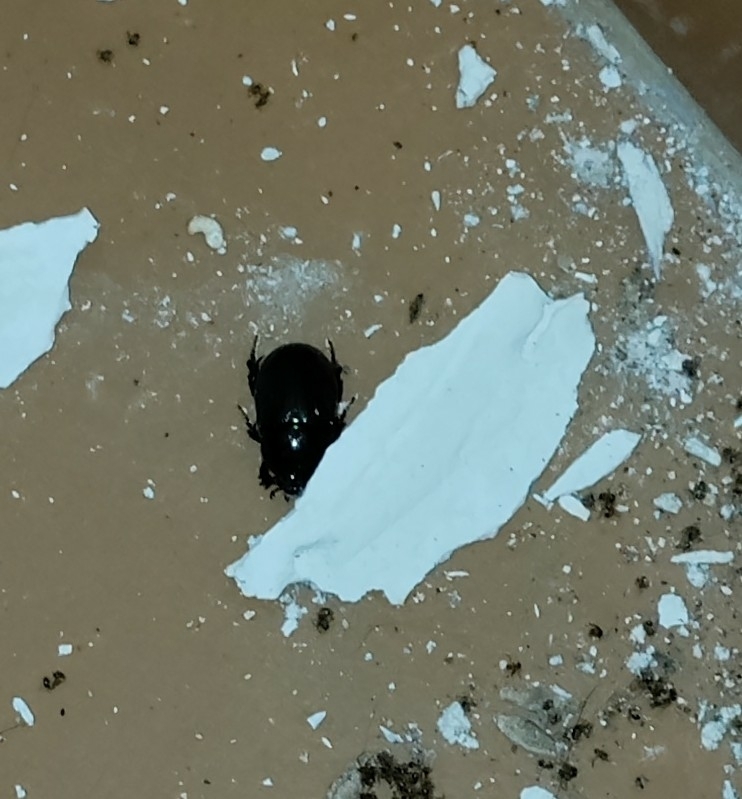 Euetheola humilis |
Chrysomya megacephala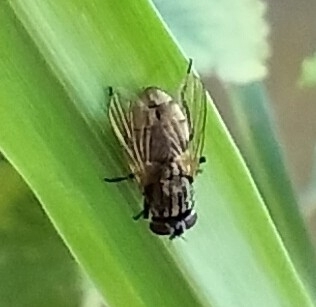 Musca domestica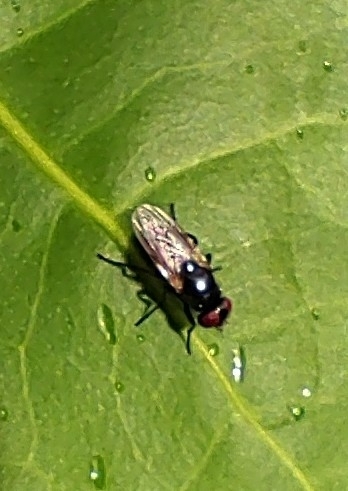 Hydrotaea spp. |
Cydnidae spp. |
Atta spp.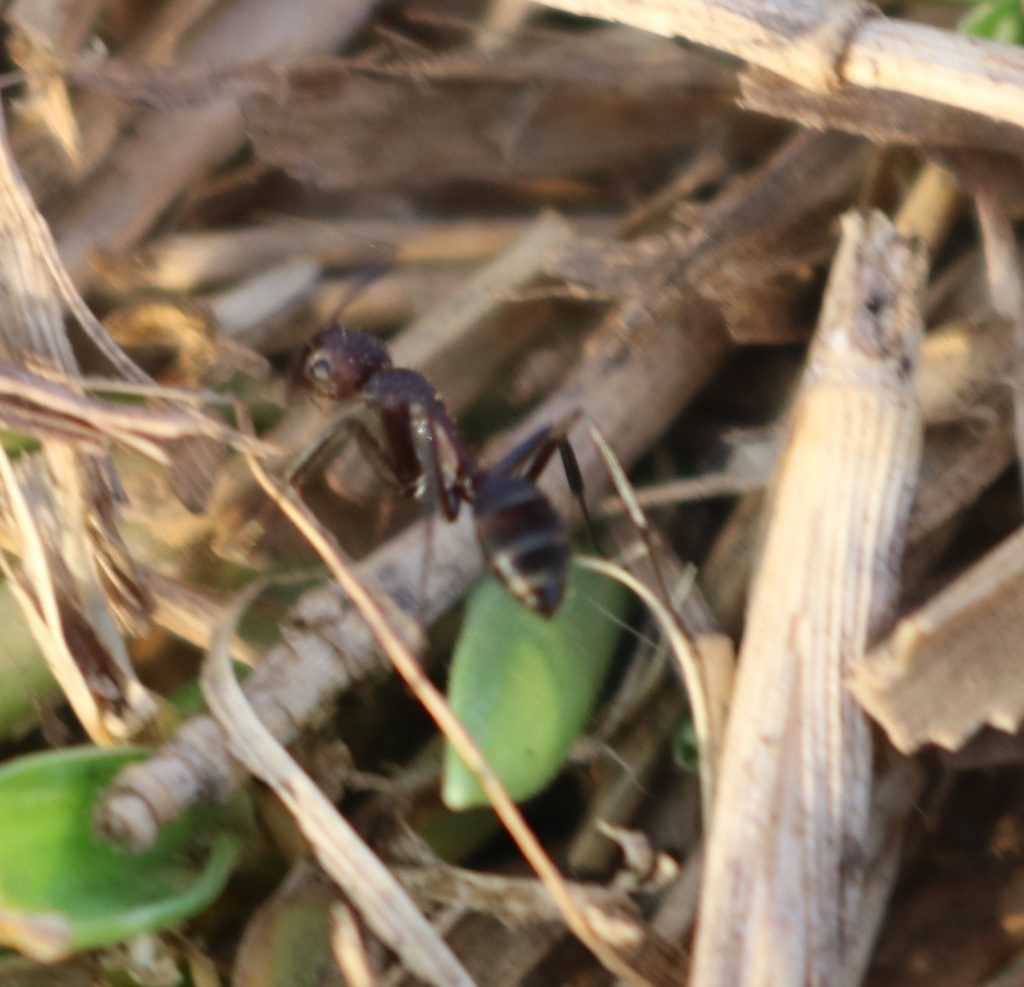 Camponotus leydigi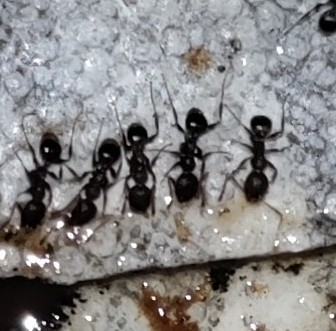 Pheidole spp.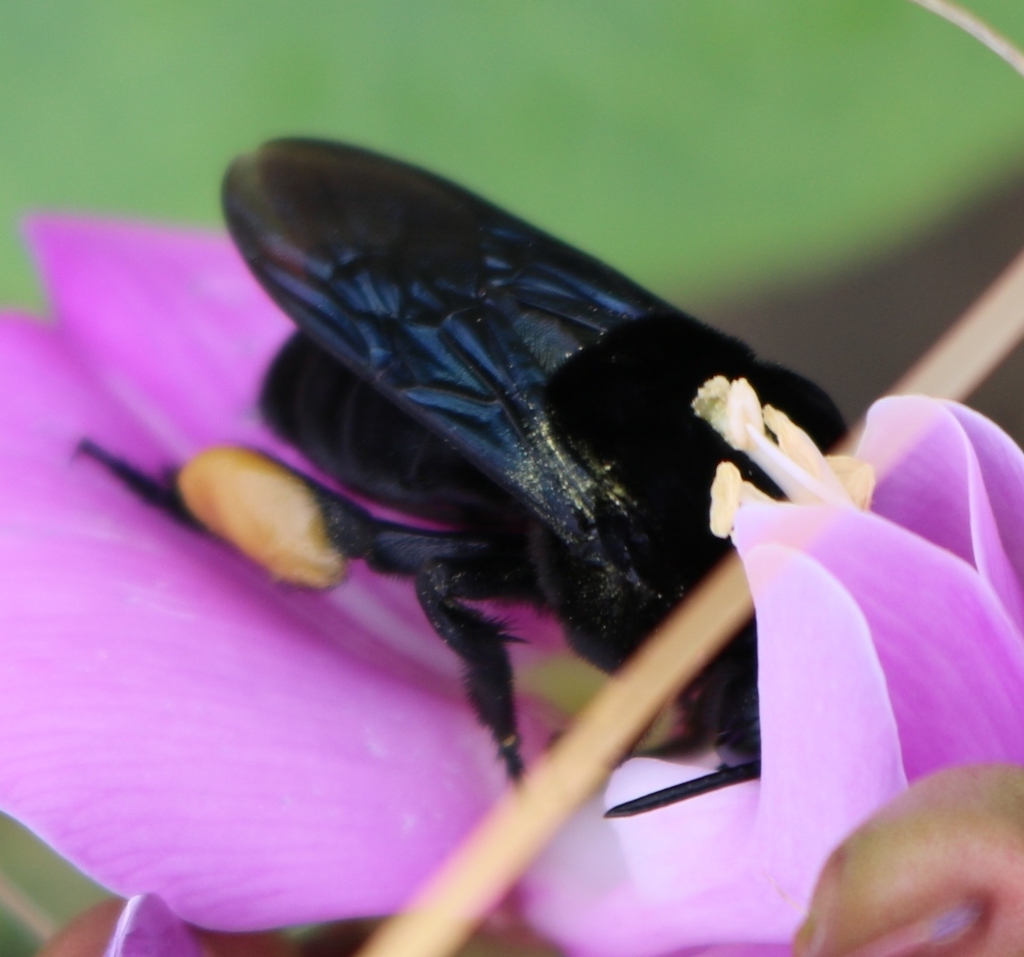 Eulaema nigrita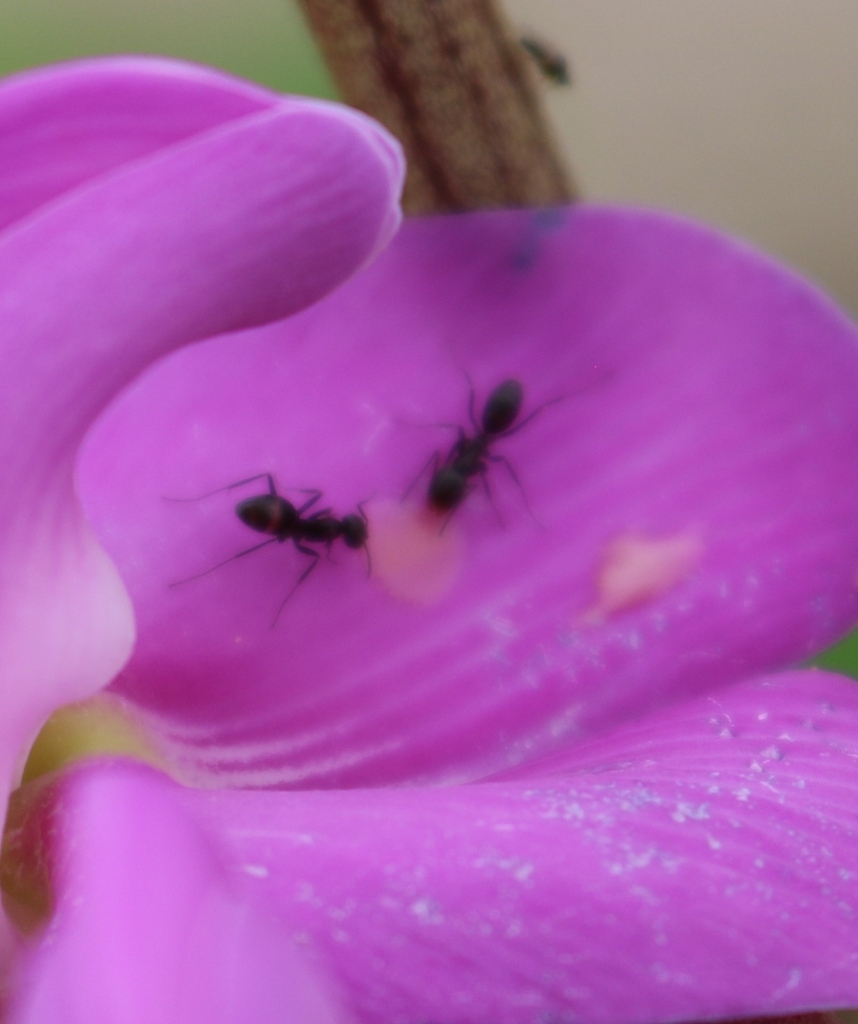 Leptomyrmecini spp.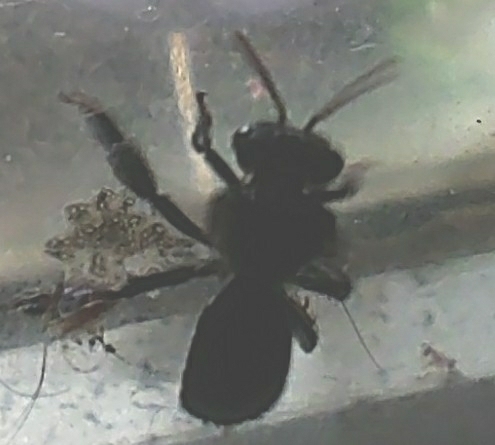 Trigona spinipes |
Corticea corticea Anartia jatrophae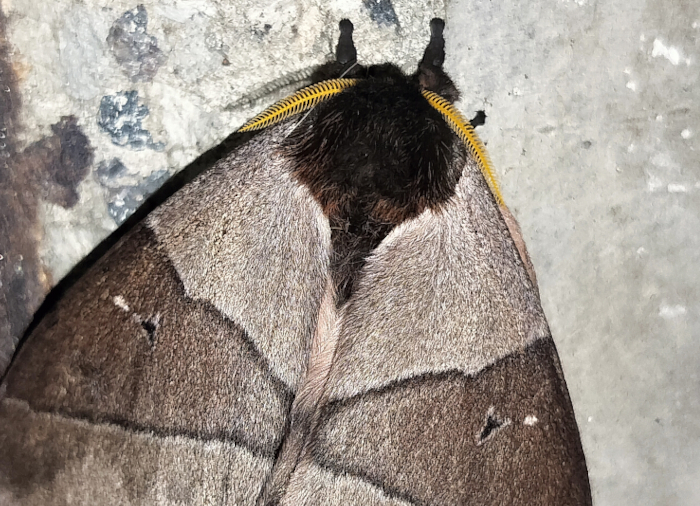 Dirphia moderata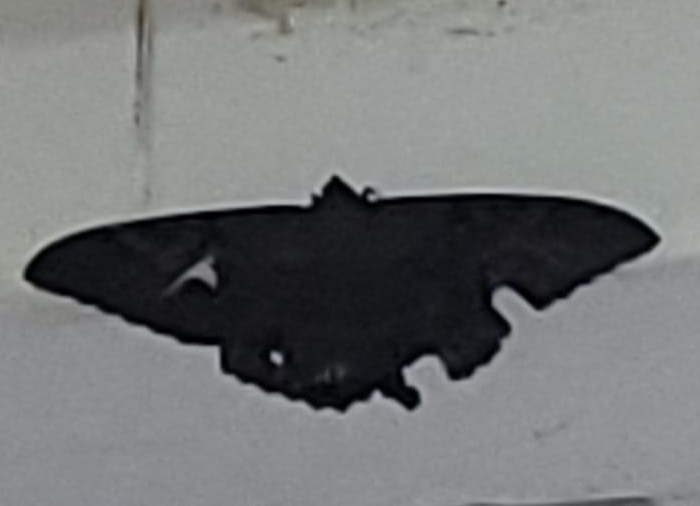 Ascalapha odorata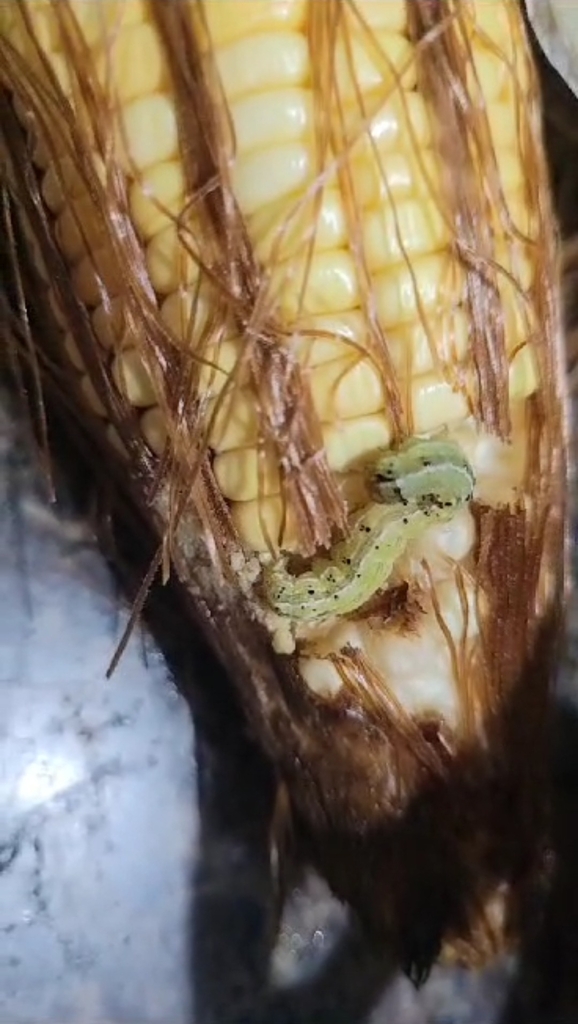 Helicoverpa zea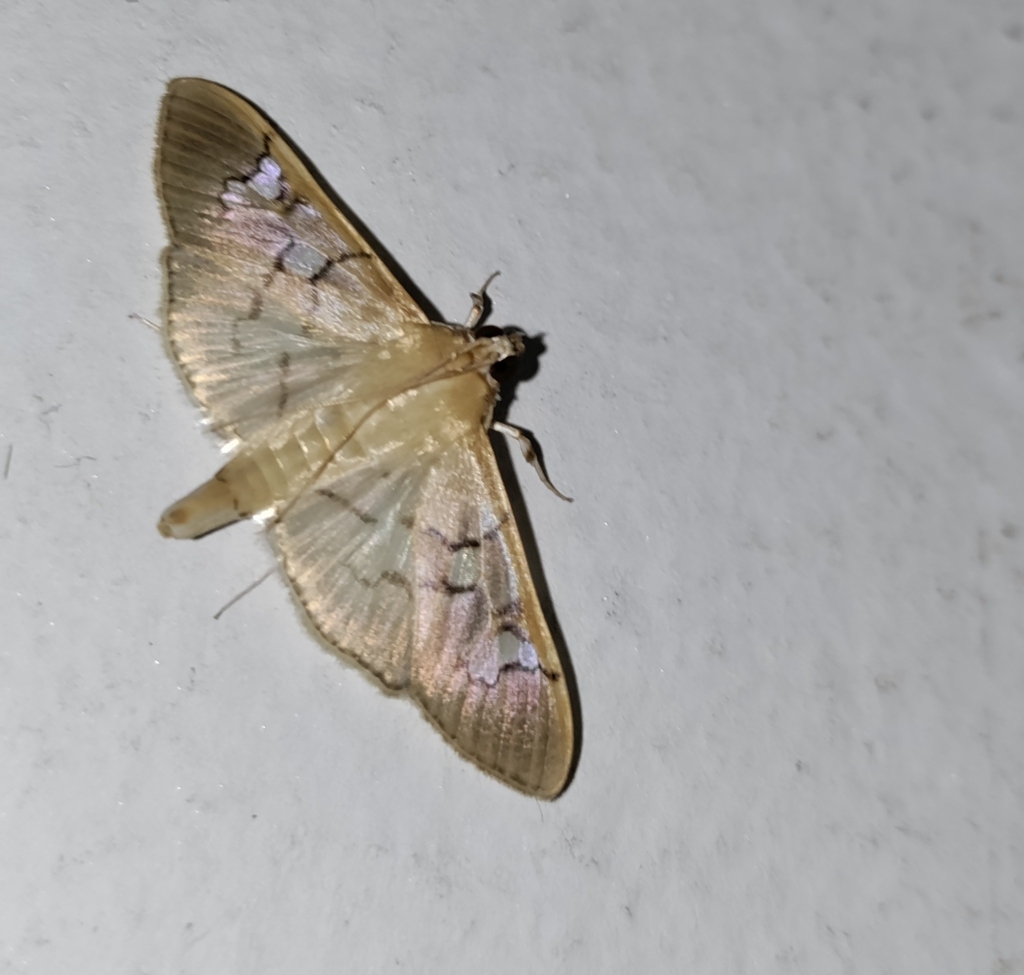 Spilomelinae spp.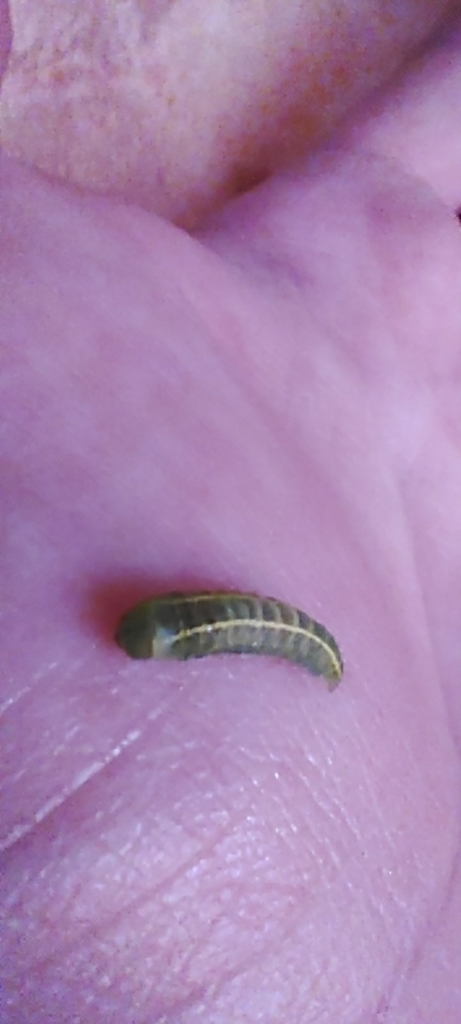 Spodoptera frugiperda |
Micrathyria ocellata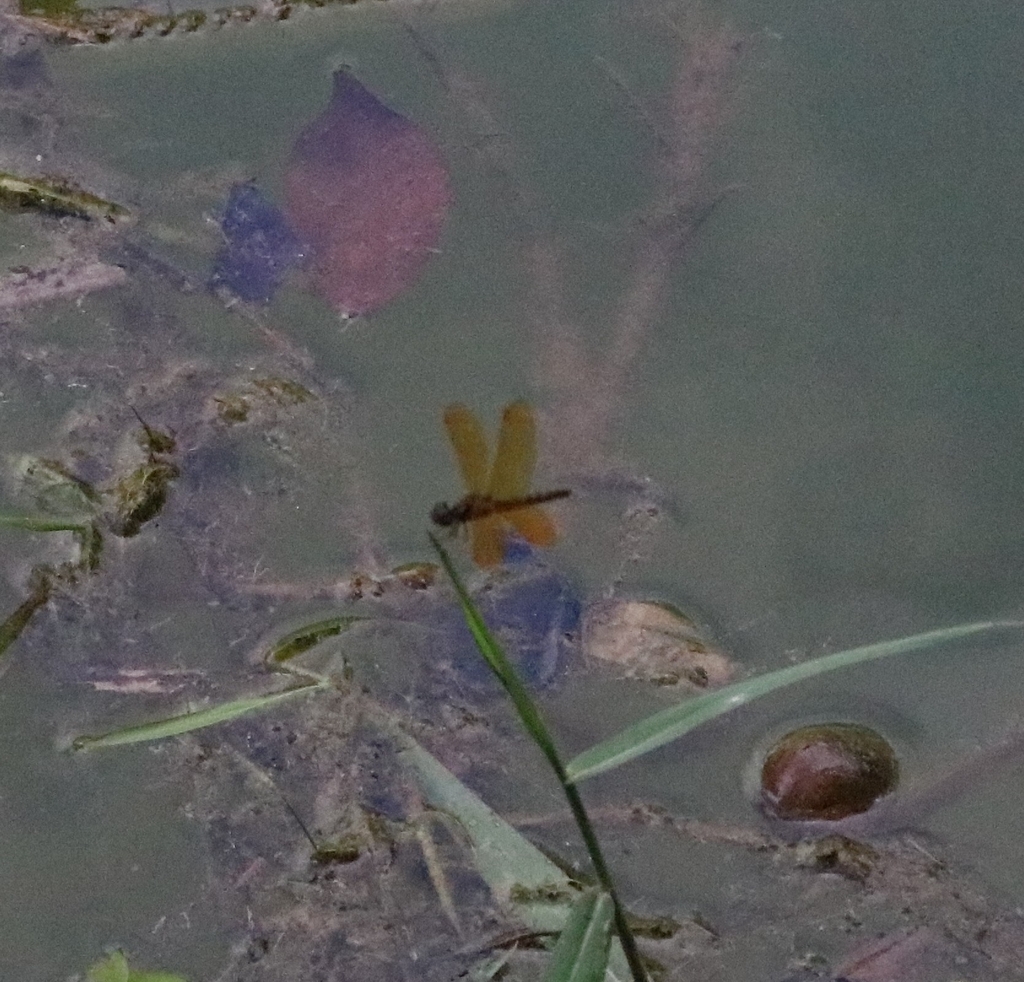 Perithemis tenera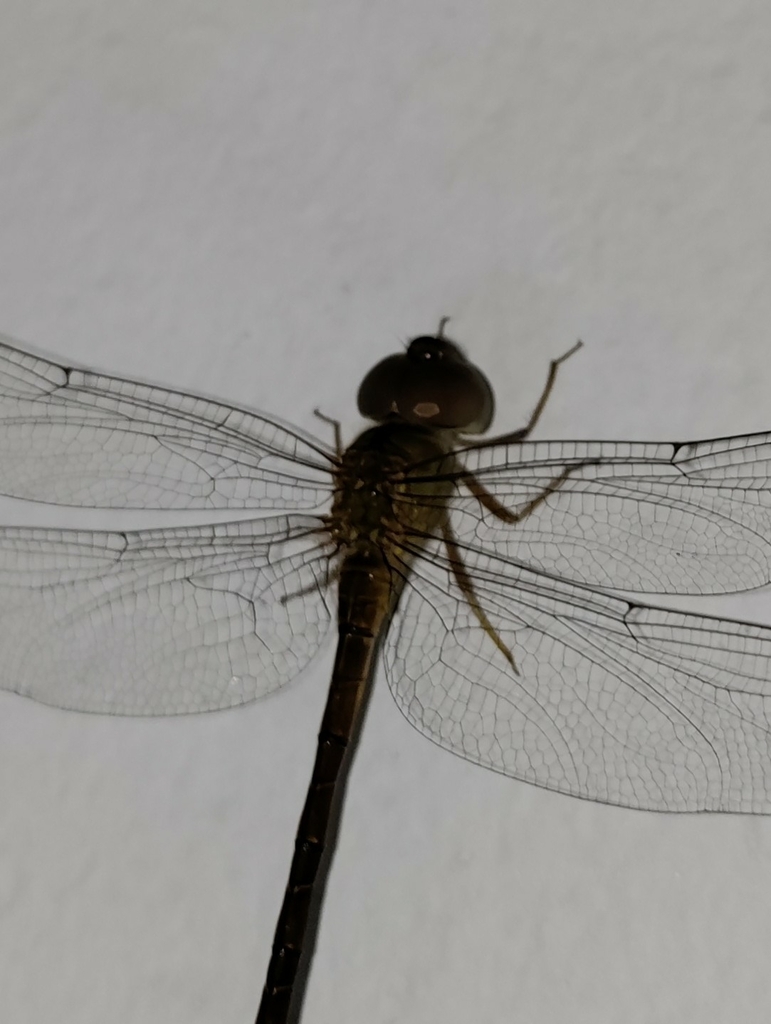 Triacanthagyna septima |
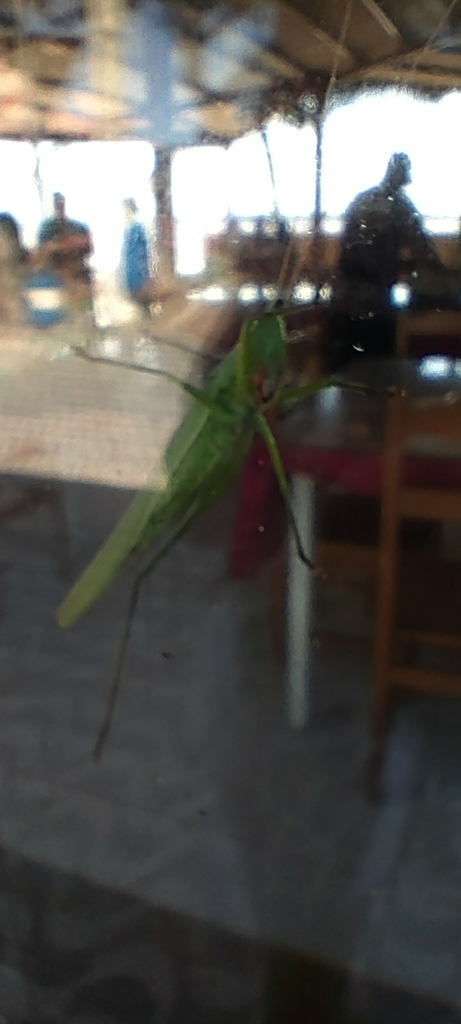
Neoconocephalus spp. |
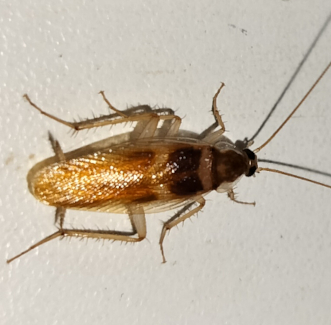
|
Jump to top |
|
|
|
|
ARANEAE
|
|||||||
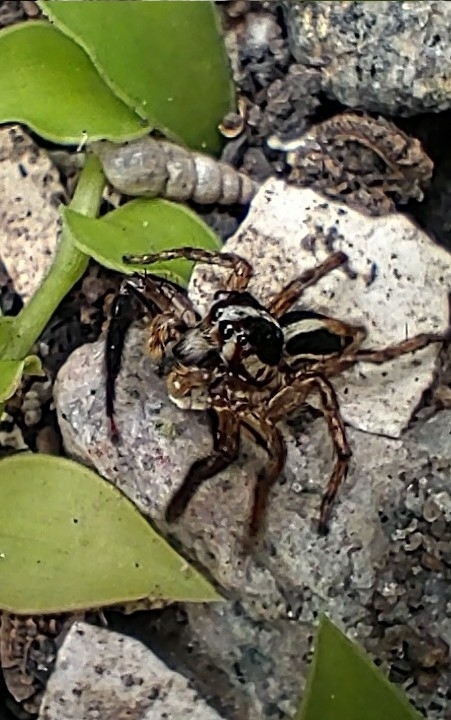
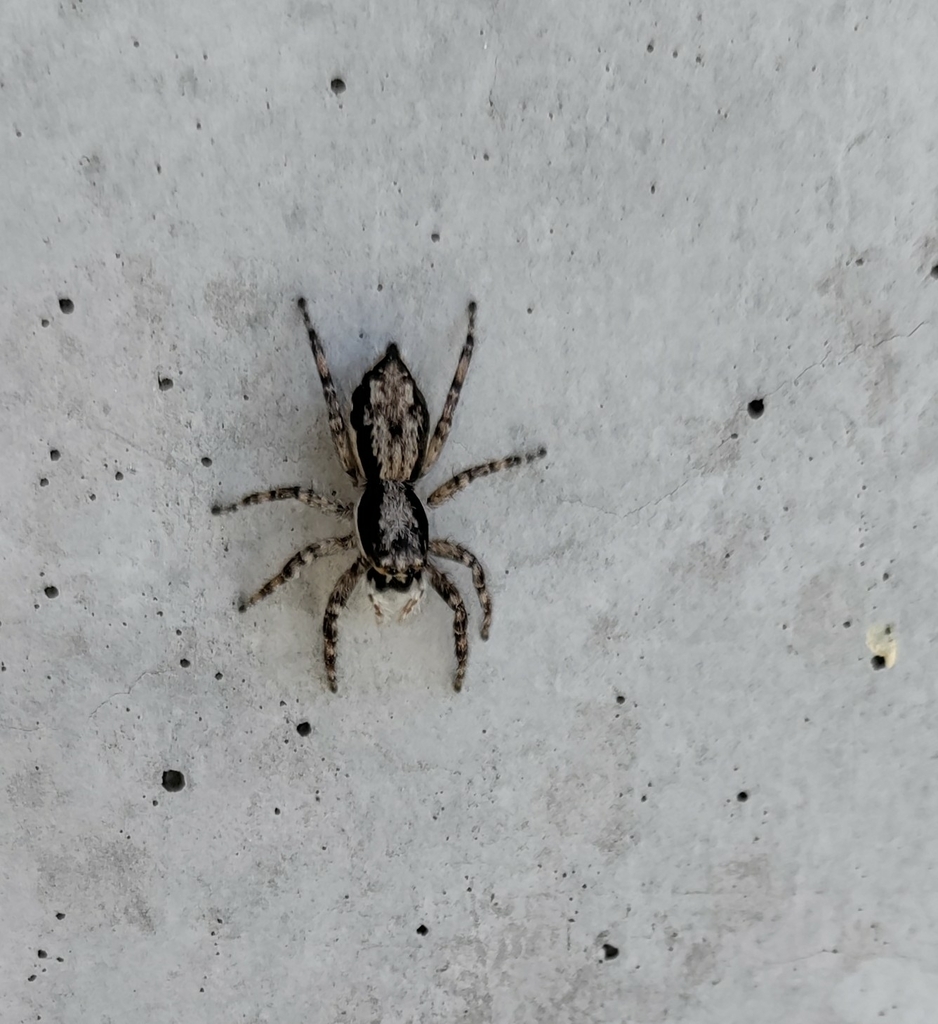
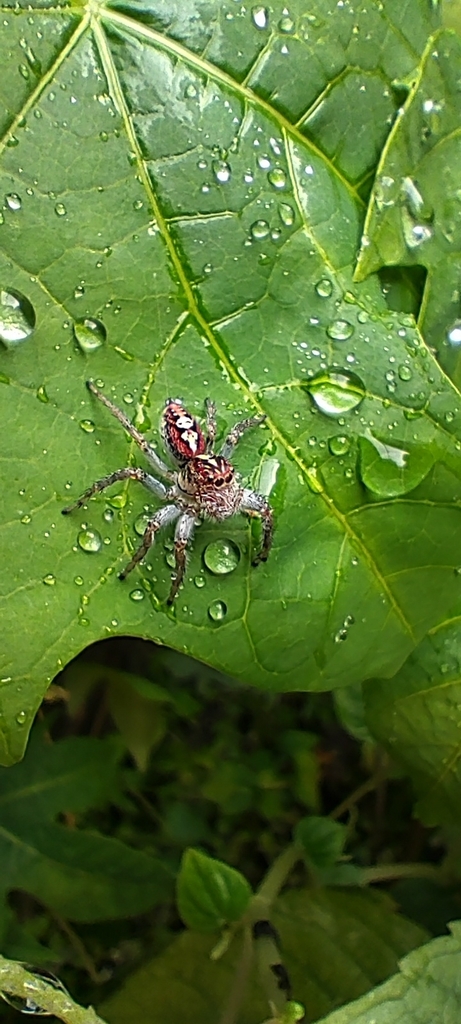
Plexippus paykulli |
Menemerus bivittatus |
Frigga spp. | |||||
|
Jump to top |
|
|
|
|
DIPLODA
|
|||||||
Trigoniulus corallinus | |||||||
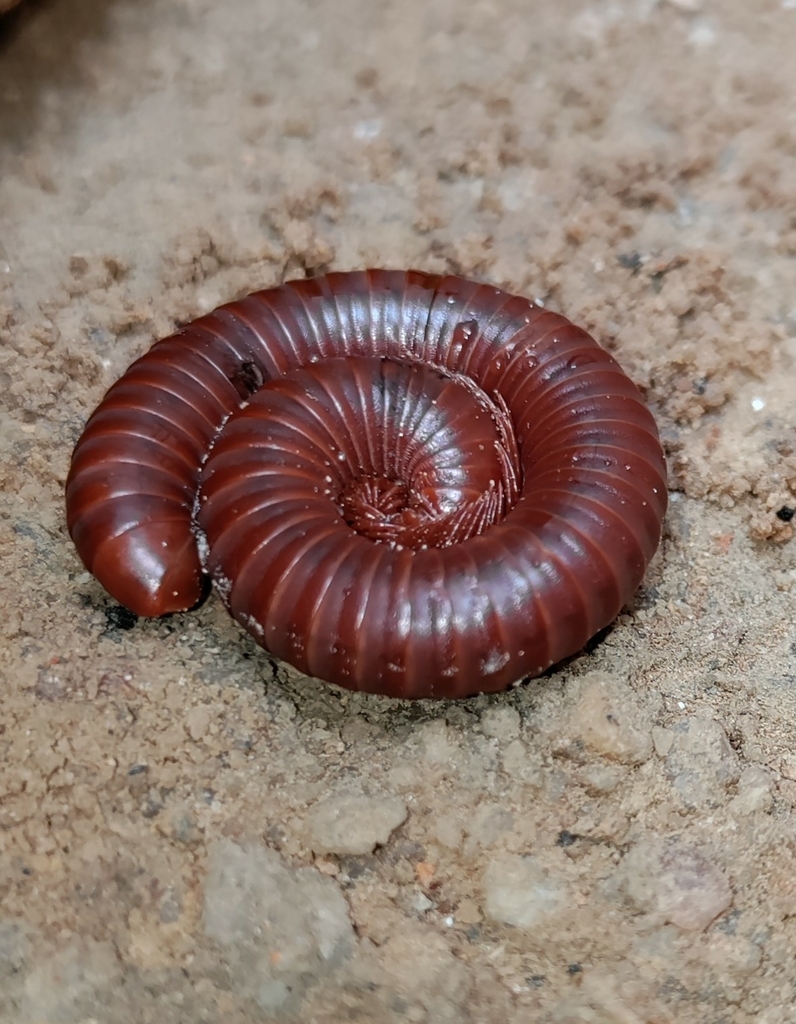
|
Jump to top |
|
|
|
|
TRACHEOPHYTA
|
|||
LILIOPSIDA | MAGNOLIOPSIDA |
Tradescantia spathacea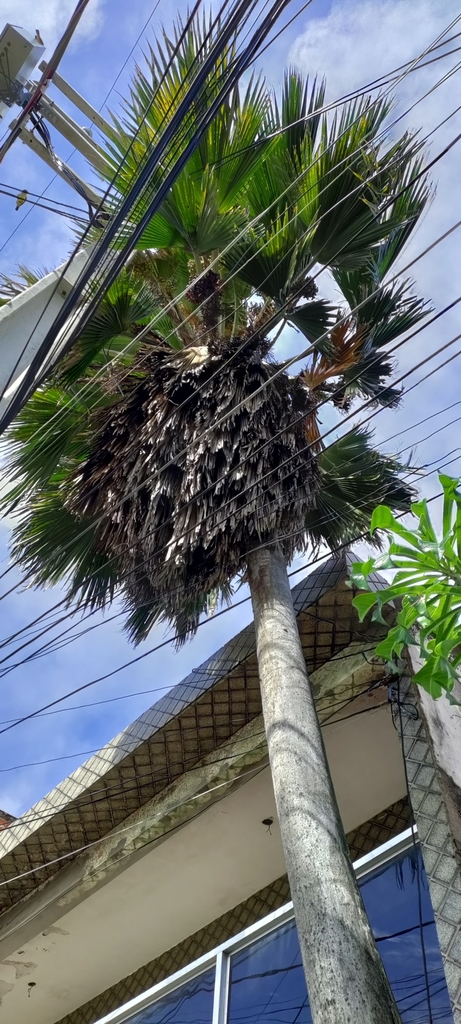 Pritchardia pacifica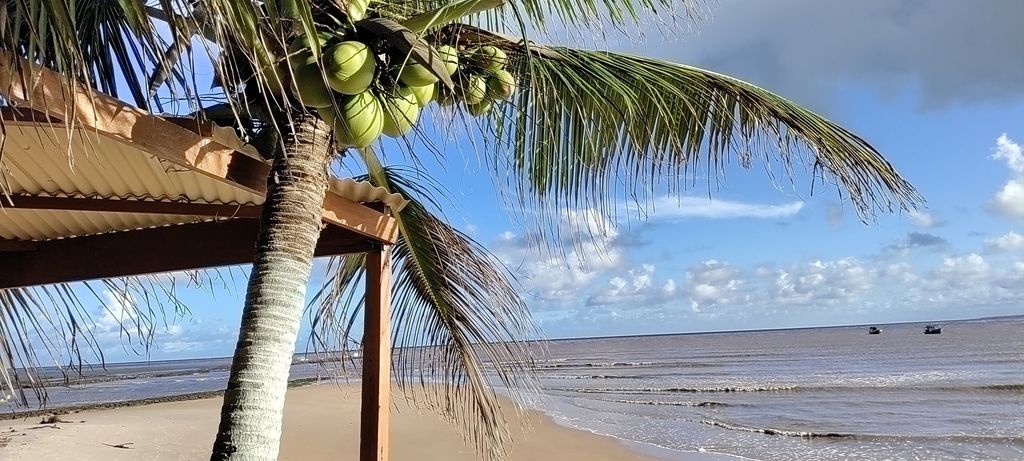 Cocos nucifera |
Lippia alba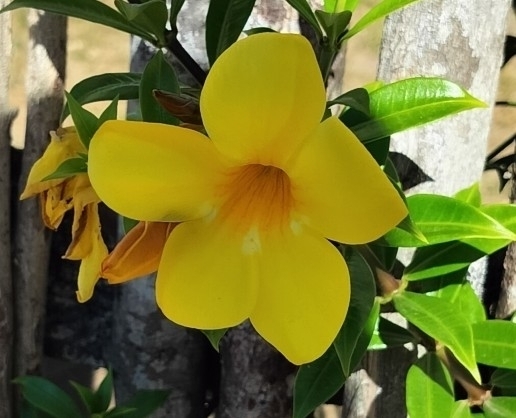 Allamanda cathartica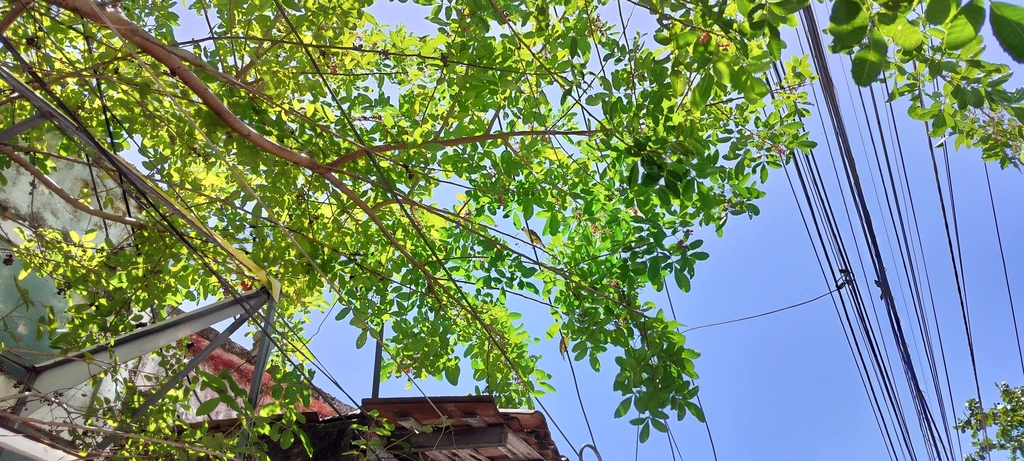 Moringa oleifera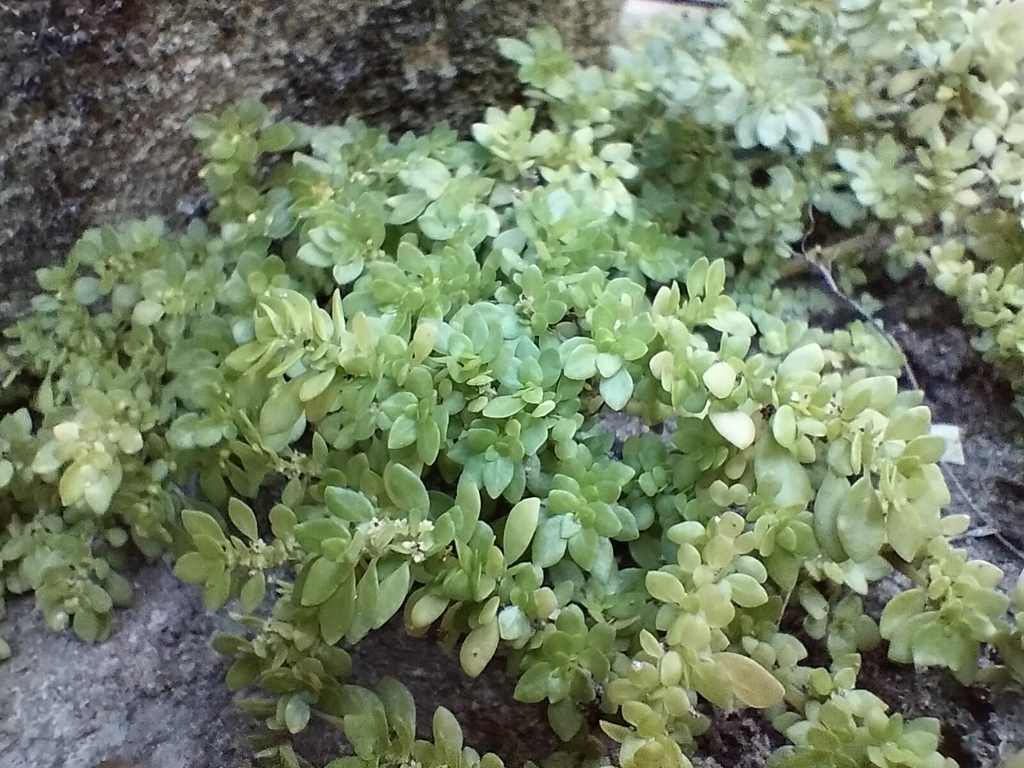 Pilea microphylla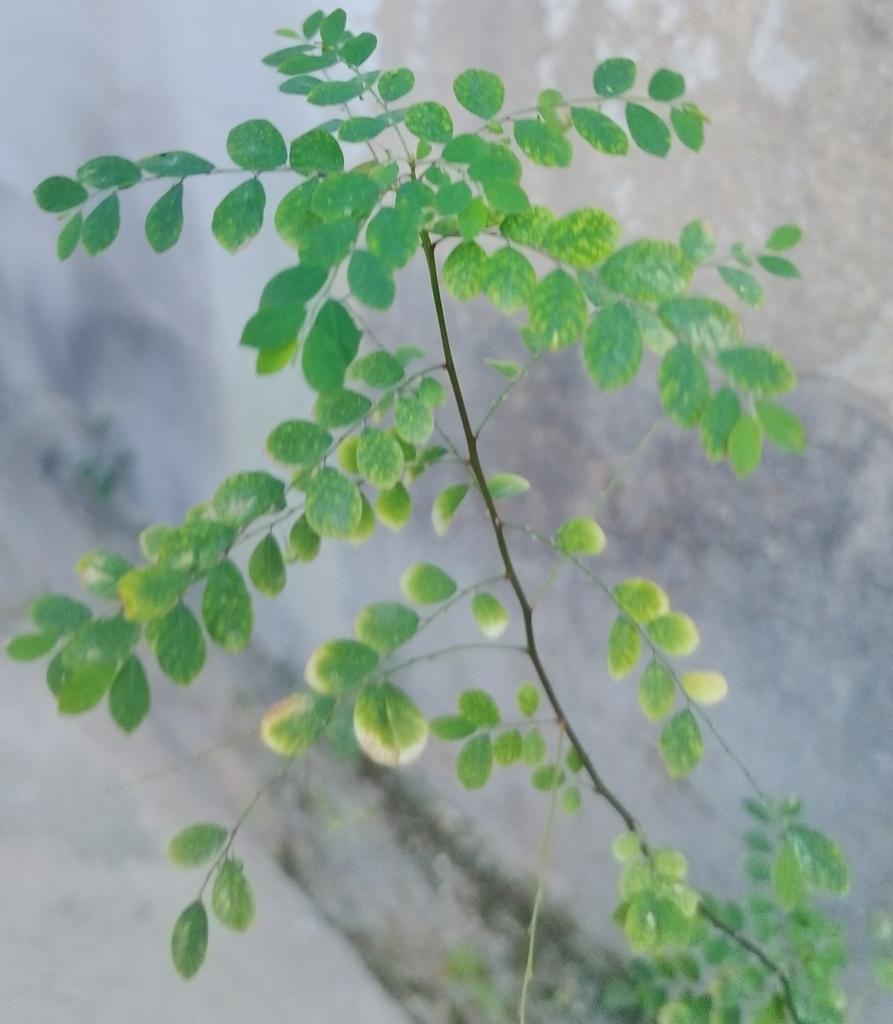 Phyllanthus tenellus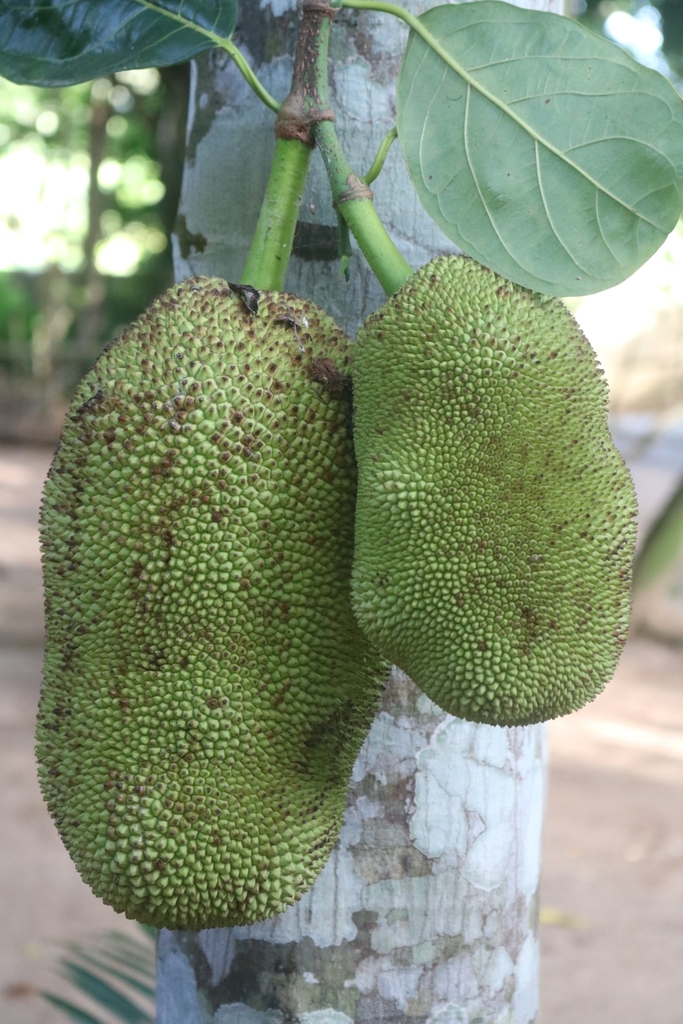 Artocarpus heterophyllus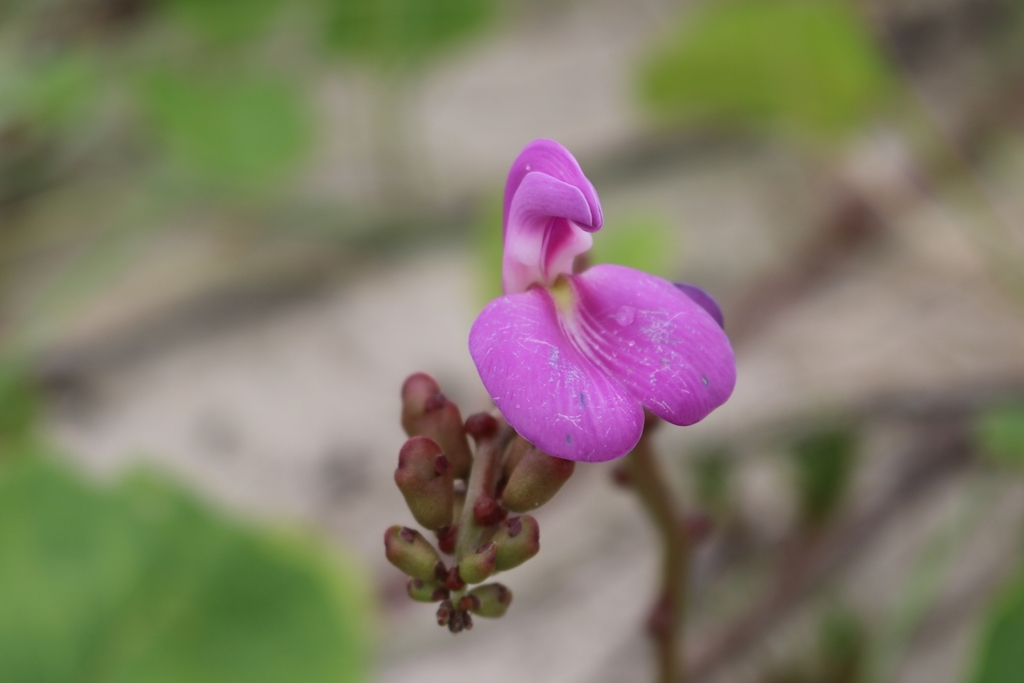 Canavalia rosea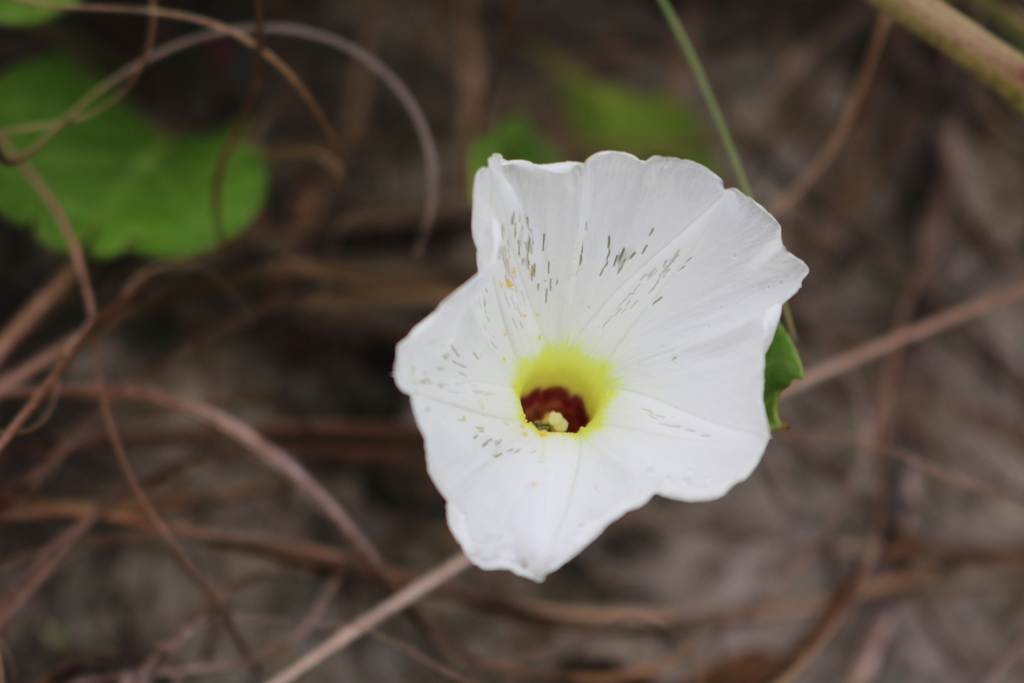 Ipomoea imperati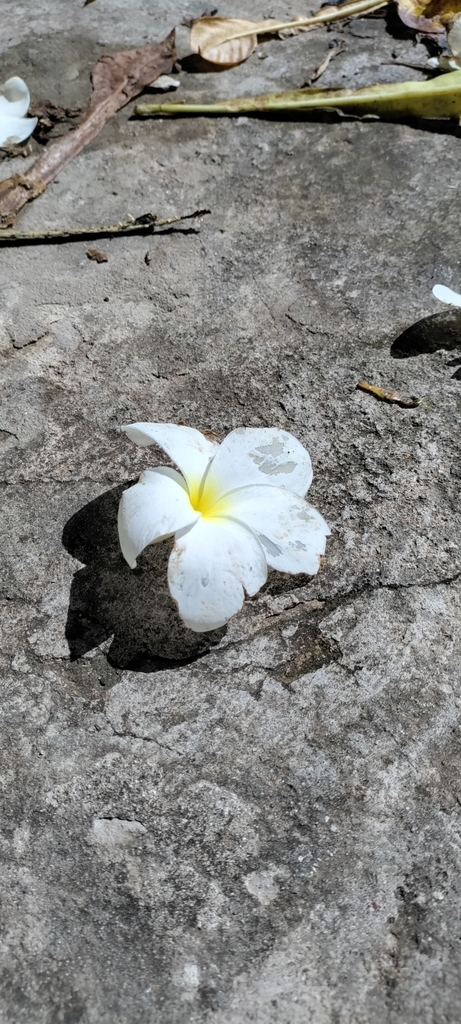 Plumeria pudica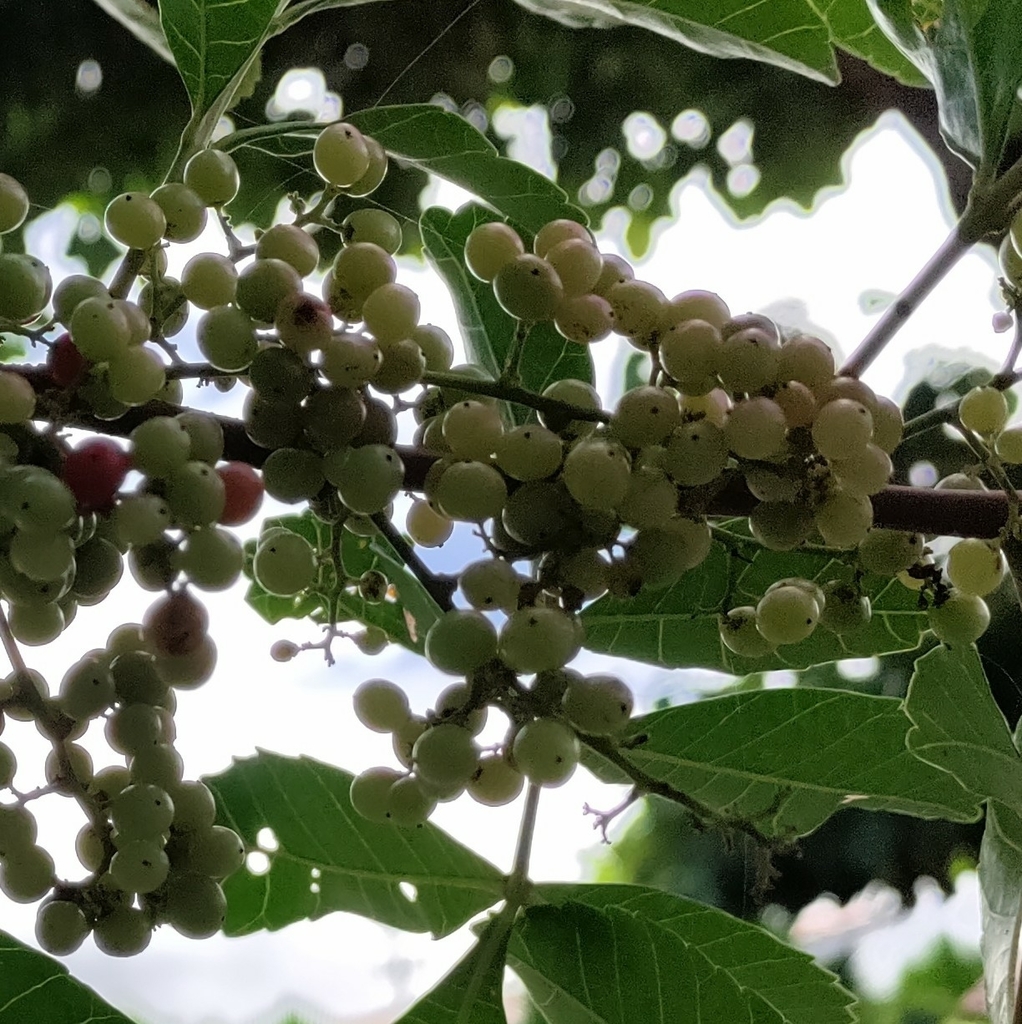 Schinus terebinthifolia |

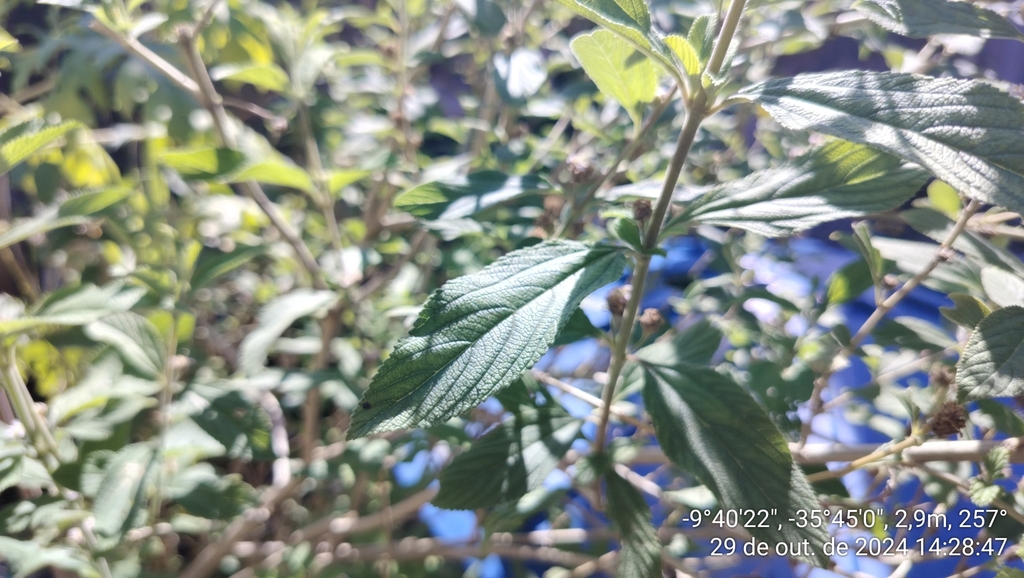
|
Jump to top |