On this page, many different types of literature can be found and they are catagorized in relation to their topic, such as if they are specific to a species or more broad in context. Not all the books are specific to the study of entomology, such as some textbooks, but they are all within the topic of nature and biological sciences.
The majority of media on the page are books of which I own and frequently reference.
Insects: Family or Order-Specifc
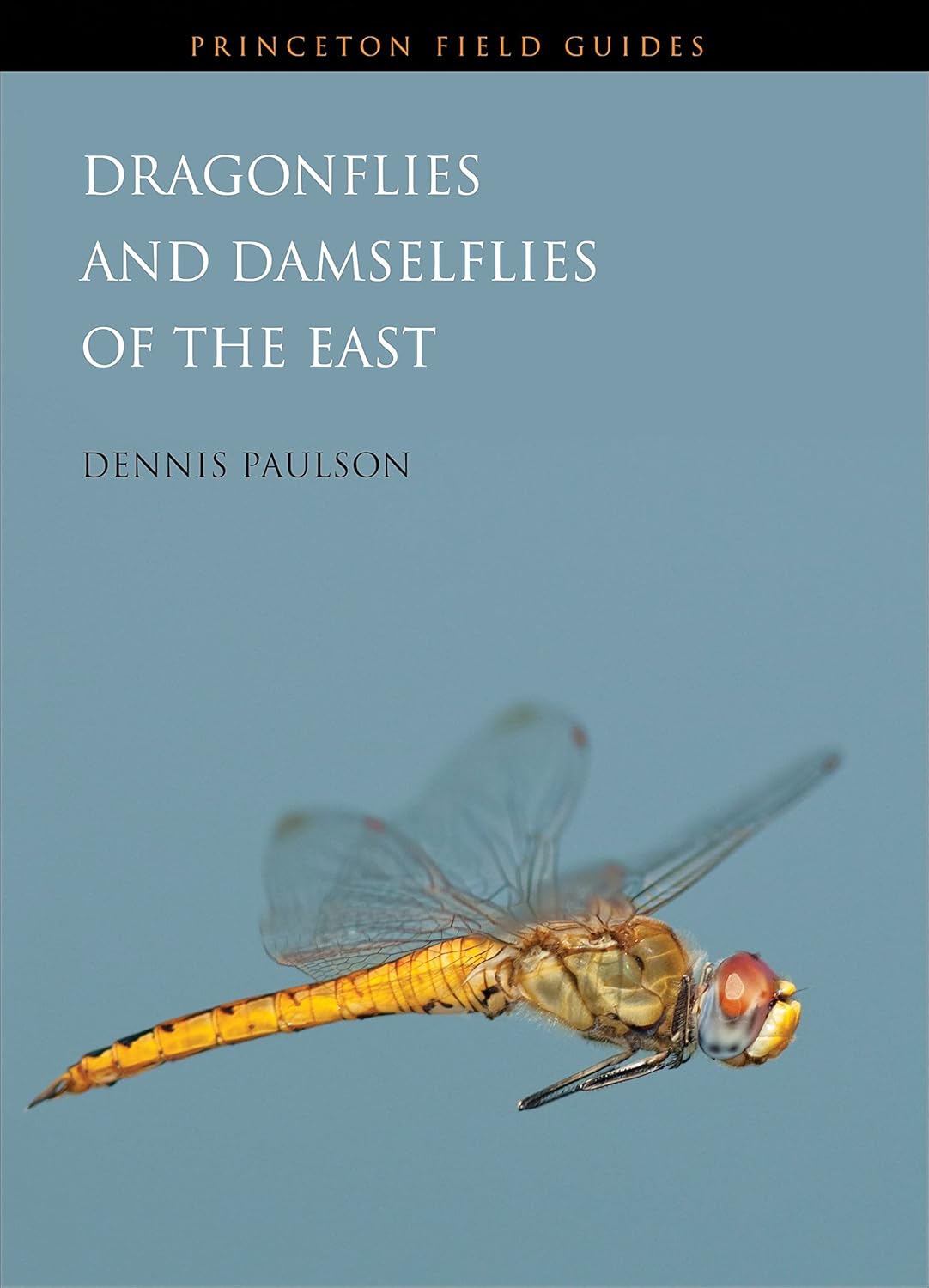
Dennis Paulson, 2012 - Dragonflies and Damselflies of the East (Princeton Field Guides). Princeton University Press.
Being one of my favourite books in general, Paulson's book on the Odonata of eastern North America offers a very in-depth and detailed guide to every single species of Odonate
that can be found within the eastern halves of Canada and the United States.
Each species has its range, lifespan, behaviours, breeding cycles, and unique characteristics meticulously described. The full-colour and high resolution photographs, detailed maps, and labelled diagrams provide a very clear and concise method of reference for the respective text.
The book also covers odonate anatomy and evolutionary history.
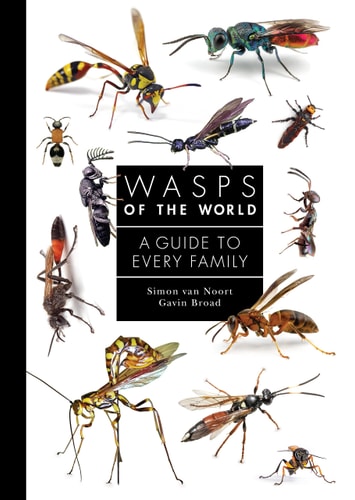
Simon van Noort; Gavin Broad, 2024 - Wasps of the World: A Guide to Every Family (A Guide to Every Family, 8). Princeton University Press.
This exceptional book provides a plethora of detailed information and photographs of every known family of Apocrita (excluding ants and bees) and Symphyta, choosing a few species within each family to highlight.
Each family's habitat, range, size, diet, and reproductive behaviours are cleanly organized into charts paired with beautiful high-resolution macro photographs, diagrams, and maps. It's an essential tool for any Hymenoptera specialist.
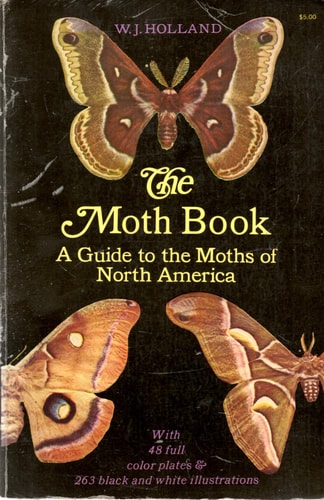
W.J Holland, 1968 - The Moth Book: A Guide to the Moths of North America. Dover Publishing.
This book is a window into the past of entomological study, as the original literature was written in 1903! Regardless of its age, it still provides very important and revelant information on the anatomy and natural ecology of the moth species known in its time.
The book does contain full-colour photographs of pinned specimens, which was something very impressive for the time. Most other diagrams are hand-drawn and in black and white. Much of the content within the book is still correct, with the exception of some archaic taxonomic names and anatomical terms.
In the 20th century, this was a very high-quality and detailed book. It still is today, but it may appear as lesser only due the vast ways of which technology has developed over time to allowed us to see the lives of moths. The book is a very important piece of my literature collection!
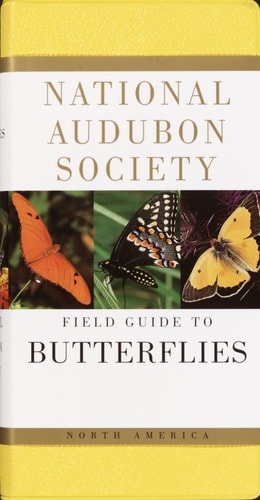
Robert Michael Pyle, 1981 - The National Audubon Society Field Guide to North American Butterflies. Knopf.
It's rather interesting that The Audubon Society would publish a book on butterflies, but this book is a very good reference guide for both professionals and amateurs alike. It covers species coast-to-coast throughout Canada and United States.
The book mostly contains full-colour natural photographs, usually more than one for each species to show each life stage and the sexual dimorphism between the adults. The book is purely a field guide, and only provides information on each species' range, habitat, host plants, behaviours, and life expectancy if known.
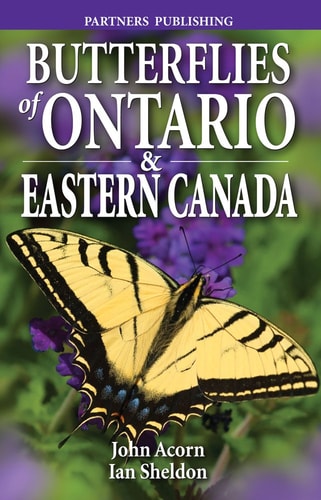
John Acorn, 2017 - Butterflies of Ontario & Eastern Canada. Partners Publishing.
This book, while probably more useful for amateurs than professionals, provides a clear and concise list of most species that can be found within Canada east of Manitoba (MB). It gets right to the point, opening right into reference material.
Detailed and colourful illustraions are used for most species rather than photographs, and the usual information of range, habitat, lifespan, host plants, and active months are all present. It's a very pretty book and useful for those who are starting their hobby of entomology!
General Field Guides
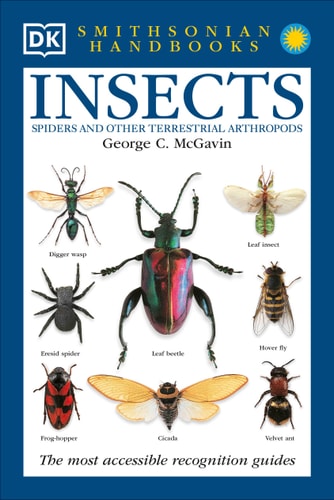
George C. McGavin, 2002 - Smithsonian Handbooks: Insects. DK.
This book is an excellent general introduction to the world of insects! The information contained within is written in an accessible and easy to understand format, paired alongside photographs of pinned specimens and colourful anatomical diagrams.
All orders of insects are covered in the book, and while it's very broad, each chapter provides examples of signature species within each order to display their general characteristics. This makes it easy to be able to learn how to distinguish each order and suborder from one another.
I would recommend this book to someone who is newly interested in insects and needs a reliable and easy-to-use guide to help them dive deeper!
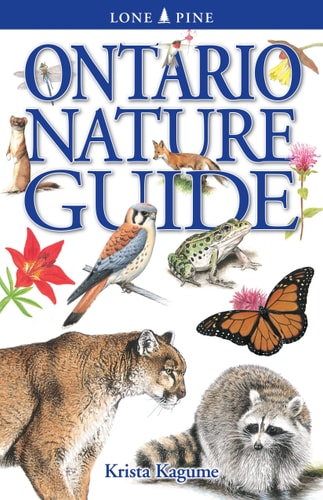
Krista Kagume, 2008 - Ontario Nature Guide. Lone Pine Publishing.
A colourful and straight-to-the-point field guide to navigate the diversity of life throughout all of Ontario. Since it covers a very broad range of species, its descriptions of each species and information provided about them can be rather brief at times, but it is still a helpful tool for the aspiring nature-lover.
Organic Chemistry and Genetics
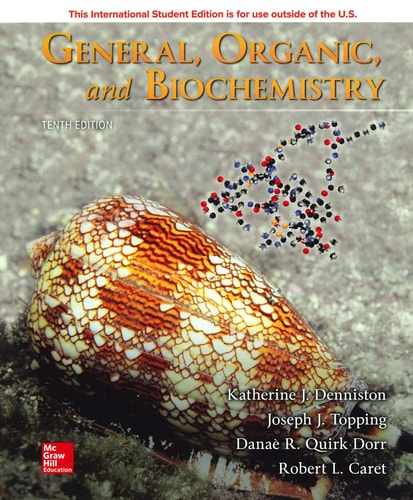
Katherine Denniston; Joseph Topping; Danae Quirk Dorr, 2019 - General, Organic, and Biochemistry. McGraw-Hill Education.
This textbook assisted me throughout my time as an undergrad in college. It's still an essential tool for me today, because it is easy to comprehend and accessible with many images and diagrams. Organic chemisty is not a light-duty subject, and I often need to open this book up to refresh my memory on a certain topic!
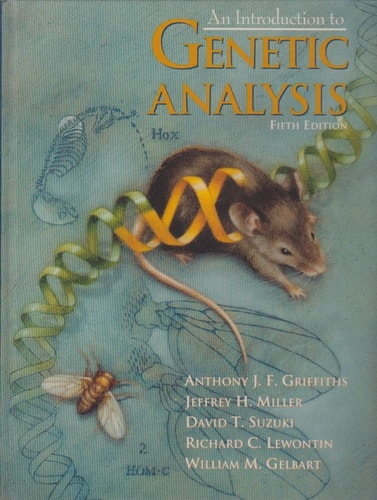
Anthony J.F. Griffiths; Jeffrey H. Miller; David T. Suzuki; Richar Lewontin, 1993 - An Introduction to Genetic Analysis. W. H. Freeman & Company
I discovered this genetics textbook in a charity thrift store, of which are usually excellent locations to discover great educational texts, even if they are older. Much of information in the text holds up today, especially the basics of genetics.
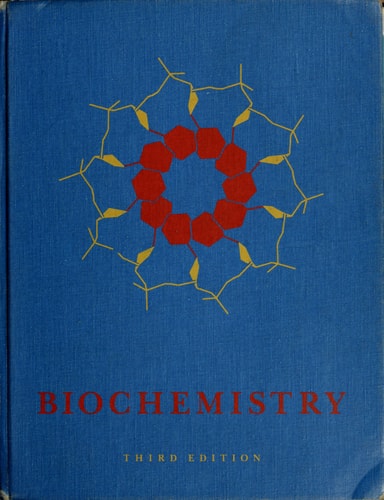
Lubert Stryer, 1990 - Biochemistry A17, 3rd Edition. W. H. Freeman & Company
Containing over 1000 pages, this hefty relic is a great assest to own even in the modern day, as it's still relevant in today's studies. It is a careful and concisely-written, step-by-step book with colourful photographs and diagrams. The author, Lubert Stryer, worked at Yale University, later working out of Stanford University.